
Method of Dismissal & Wicket Markets: Betting on How a Batter Falls
 Available in US
Betting on how a batter gets out, rather than whether their team wins, is one of the more specialised corners of cricket betting, and it is also one where genuine cricket knowledge pays off handsomely against the casual punter. Method of dismissal and next-wicket markets ask you to predict the texture of the game, the way wickets actually fall, which is a question that rewards understanding pitch behaviour, bowling plans and conditions far more than it rewards picking a winner. These are markets for people who watch cricket closely, and if that is you, they are well worth understanding properly.
They sit firmly within the player-specific and granular markets that now account for over a third of all cricket betting worldwide, and they are markets the leading operators price in real depth. This piece covers the dismissal types and how they are priced, how next-wicket markets work, the conditions that genuinely move these bets, and how to stake them sensibly given their volatility. As with all granular cricket markets, there is reward here for knowledge and danger here for the careless, and I will be clear about both.
Dismissal Types and How They Are Priced
The first time I looked seriously at a method-of-dismissal market, what struck me was how unevenly the odds were spread, and that unevenness is the key to understanding the whole market.
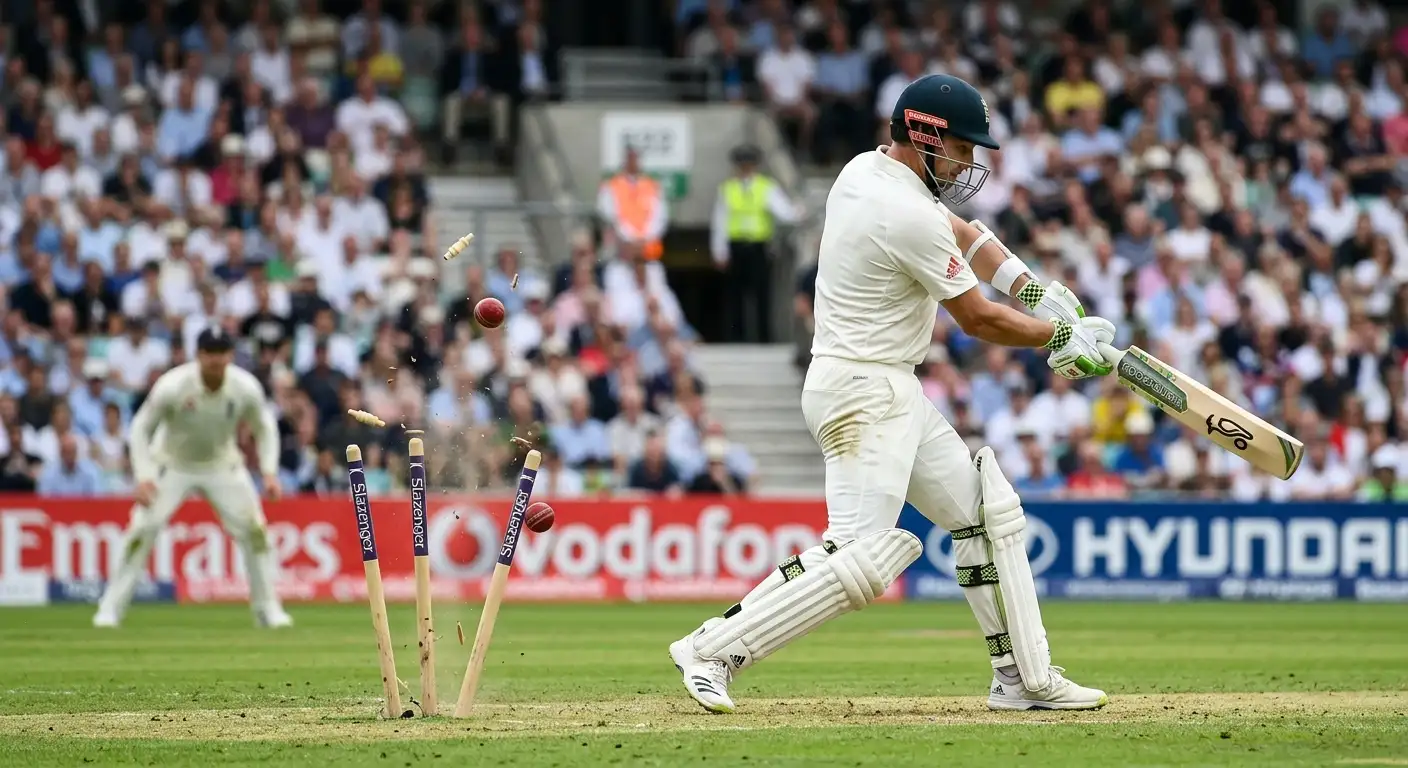
A method-of-dismissal market asks how the next wicket, or a specific batter, will fall: caught, bowled, leg before wicket, run out, stumped, and the rarer modes. The prices reflect how common each method actually is, and they are wildly unequal because dismissals are wildly unequal in frequency. Caught is by far the most common mode of dismissal in most cricket, so it carries the shortest price. Bowled and leg before are next, with meaningful but lower frequency. Run outs, stumpings and the exotic modes are rare, and their prices are correspondingly long, which is exactly what tempts people into them.

The pricing is built on the base rates of each dismissal type, adjusted for the specific conditions and the bowlers in operation. This is where knowledge creates an edge, because the base rates shift with circumstance. Caught dominates in conditions that produce edges and aerial shots; bowled and leg before rise on pitches that bring the stumps into play through movement or low bounce; stumpings cluster when quality spin is operating against batters compelled to come down the pitch. The breadth of these markets at the leading operators is considerable, with the most expansive UK site offering well over 150 markets on a single Test, and method-of-dismissal options form part of that depth. The market rewards the punter who can read which dismissal types the specific conditions favour, rather than simply taking the long price on a rare mode because the payout looks attractive.
Next-Wicket Markets
Next-wicket markets shift the question from how a batter falls to which batter falls and when, and they bring a different kind of in-play tension that suits the live bettor.
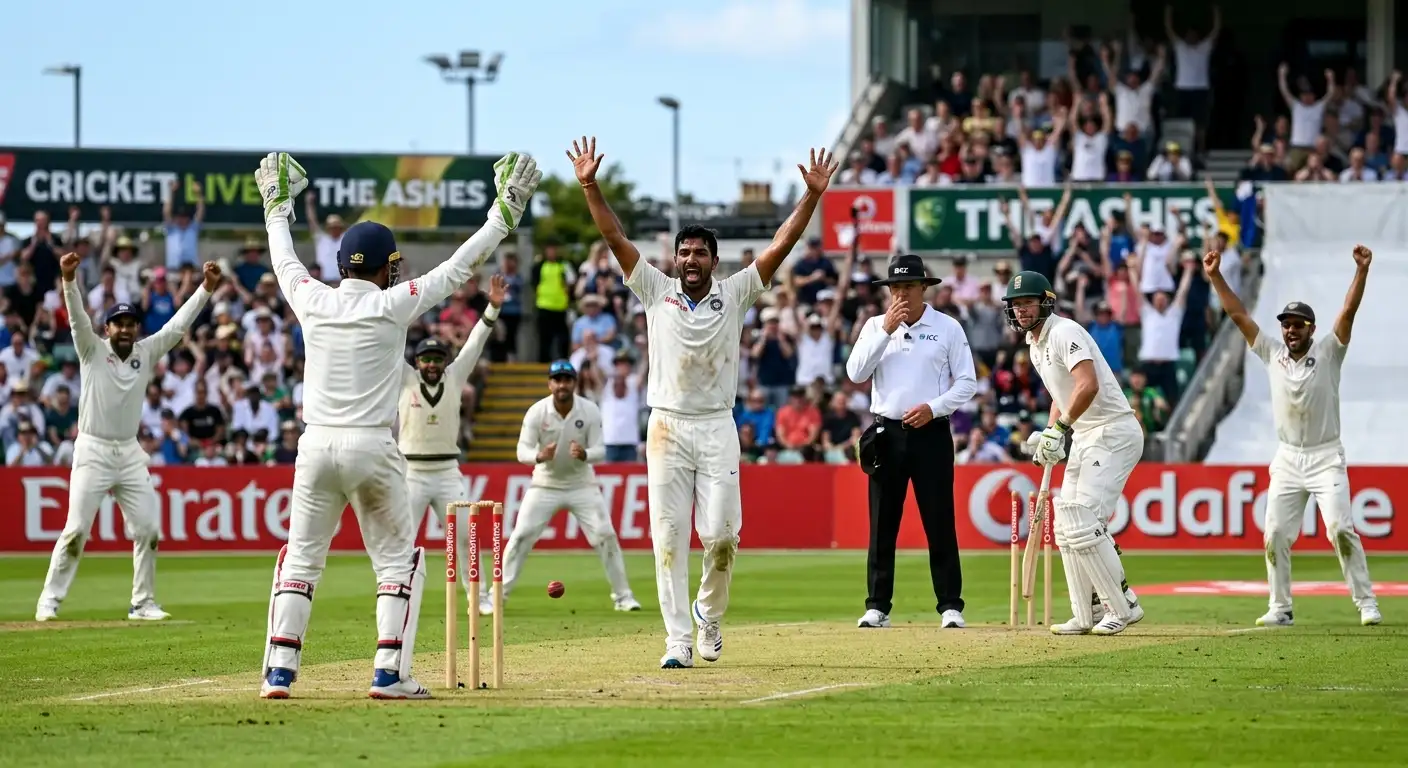
A next-wicket market might ask which of the two batters at the crease will be dismissed first, or how many runs will be added before the next wicket falls. The first is a duel between the two players currently batting, priced on their relative vulnerability given the bowlers, the conditions and their form and the match situation. The second is effectively a runs-until-wicket line, blending the dynamics of a totals market with the timing of a dismissal, and it moves constantly as the partnership develops. Both are live, in-running markets at heart, repricing with every ball, which makes them engaging and demanding in equal measure.
What I value about next-wicket markets is that they reward genuine, ball-by-ball reading of the game in a way few markets do. If you can see that one batter is struggling against the spinner while the other is comfortable, that one is new to the crease and tentative while the other is set, you have a real basis for a view on which falls first. Likewise, judging whether a settled partnership will add many runs or whether a new bowler poses an immediate threat is exactly the kind of in-the-moment cricket assessment that separates the watcher from the spectator. These markets punish the punter who bets without watching and reward the one who reads the live situation, which is precisely why I find them more interesting than the static pre-match options.
The Conditions That Matter
Everything in these markets comes back to conditions, and the punter who reads conditions well has a real, durable edge over the one who does not, because dismissals are governed by the physical realities of the surface and the situation.
The pitch is the first and largest factor. A surface offering seam movement or swing brings caught-behind and leg-before dismissals into play, as the ball deviates and finds edges and pads. A turning pitch shifts the balance towards bowled, leg before and stumped, as spin beats the bat and draws batters forward. A flat, true surface suppresses dismissals generally and pushes the run-scoring up, which feeds into the runs-until-wicket markets. Reading the pitch, the same skill I emphasise across all my conditions-based writing, is the foundation of betting these markets well, because the pitch dictates which dismissal types are likely and how readily wickets will fall at all.

Beyond the pitch sit the bowlers and the match state. A new-ball seamer in helpful conditions makes caught and leg-before dismissals more likely in the early overs; a spinner introduced on a worn surface shifts the probabilities towards his characteristic modes. The match situation matters too, because a team forced to attack will offer more catching chances and run-out risk, while one batting defensively presents fewer. Putting these together, the bowler operating, the conditions, the phase of the innings and the situation, lets you form a genuine view on how the next wicket is likely to come, which is the entire skill of these markets. They are conditions markets dressed up as dismissal markets, and the punter who treats them that way will read them far better than one who simply chases the longest price.

Staking These Markets Sensibly
For all their appeal to the knowledgeable, these are volatile, specialised markets, and how you stake them matters as much as how you read them, so let me be direct about the risk.
Dismissals are inherently uncertain events, and even a brilliant read on the conditions and bowlers leaves a great deal to chance, because cricket is cricket and the rarest dismissal can happen on the most predictable pitch. This means method-of-dismissal and next-wicket markets carry real variance, and I stake them more modestly than I would a main match market, treating them as skilled speculation rather than core bets. The temptation with these markets is always the long price on the rare mode, the tantalising payout on a stumping or a run-out, and that temptation is exactly where discipline matters most, because a long price reflects a genuinely unlikely event, however much knowledge you bring.
The margins are also a consideration. As with all granular and exotic markets, the overround tends to be wider than on the flagship match markets, which means you are paying more for the privilege of betting these, and that extra cost compounds against you over time. My approach is to bet these markets when I have a specific, conditions-based view I can articulate, to stake modestly in recognition of the variance, and to resist the lure of the long-shot mode unless the conditions genuinely justify it. They reward cricket knowledge like few other markets, but they punish the punter who mistakes a tempting price for a likely outcome. Bet them as the specialist, knowledge-driven markets they are, with stakes sized to their volatility, and they become a satisfying way to express a deep read of the game. The closely related world of backing individual performers is covered in my piece on top batsman and top bowler markets, which rewards the same kind of granular knowledge.
Which dismissal type has the longest odds?
The rarer modes of dismissal, such as stumped, run out and the genuinely exotic methods, carry the longest odds because they happen infrequently. Caught is by far the most common dismissal and so carries the shortest price. A long price reflects a genuinely unlikely event, so resist chasing rare modes for the payout unless the conditions specifically favour them.
Do these markets settle on dead-ball dismissals?
Settlement depends on the specific terms each operator applies, and the treatment of unusual or technical dismissals can vary between sites. Because these markets hinge on precisely how a wicket is recorded, it is worth reading the settlement rules for the particular market before betting, especially for the rarer dismissal types where edge cases are more likely to arise.
Published by the Best Cricket Betting Sites team.