Top Batsman & Top Bowler Markets: Backing Individual Performers
 Available in US
Backing a player rather than a team is, for my money, the most cricket-literate way to bet, and it is no accident that player-specific markets have grown into one of the largest segments of the sport. Over a third of all cricket betting now sits in player-specific and live markets combined, and the top batsman and top bowler markets are the flagships of that category. They reward exactly the kind of granular knowledge that distinguishes someone who watches cricket from someone who merely follows scores: who thrives on a green seamer, who comes alive under lights, who the captain trusts with the new ball. If you know the players, these markets are where that knowledge converts into value.
They are also more nuanced than they first appear, and the nuance is where money is won and lost. Pricing, tactics and the rules that govern ties all matter more than beginners expect. I am going to take you through how the bookmaker arrives at its prices, the specific tactical angles I use for batters and bowlers, and the dead-heat rules that quietly determine how you get paid when two players finish level. Get the rules wrong and you can win the bet on the field and lose money in the settlement, which is a special kind of frustrating.
How the Market Is Priced
The first thing to understand is that a top batsman or top bowler market is not a prediction of the best player in the world. It is a prediction of who will score the most runs, or take the most wickets, in this specific match or innings, among the players in a defined group. That distinction governs everything about how the prices are set.
Bookmakers build these prices from a blend of recent form, career record, the specific conditions, and crucially the batting or bowling order. An opener will almost always be shorter in the top batsman market than a number seven, not because he is a better player but because he faces more deliveries and has more opportunity to accumulate runs. A bowler who routinely takes the new ball and bowls at the death has more chances to take wickets than a fourth-change option. So the price is as much about opportunity as ability, and the punters who beat these markets are the ones who weigh opportunity correctly.

The sheer depth of these markets at the leading operators is worth appreciating. The most expansive UK site offers well over 150 markets on a single Test and more than 80 on an IPL or T20 fixture, and player markets make up a large share of that depth. That breadth is an opportunity, because more markets mean more places for the book’s pricing to be slightly off, but it is also a trap, because more markets mean more temptation to bet things you have no real read on. The margin baked into these prices, the overround, also tends to be wider on player markets than on the match result. Bet the players you understand, not the ones the screen is selling. If you want to go a layer deeper into individual outcomes, the closely related method of dismissal and wicket markets reward the same kind of granular knowledge.

Top Batsman Tactics
Here is the angle that has served me best over the years: in the top batsman market, the batting order is often worth more than the batting average.
Openers and number threes face the most deliveries, full stop, and in formats where accumulation matters they have a structural advantage in a runs market. I lean towards top-order batters as a default, and I need a strong reason rooted in conditions or matchups to back anyone lower. The exception is the aggressive middle-order player in limited-overs cricket who comes in during the batting powerplay or at the death and can pile up a rapid score, but even there I am betting on a specific role and a specific situation, not just talent.
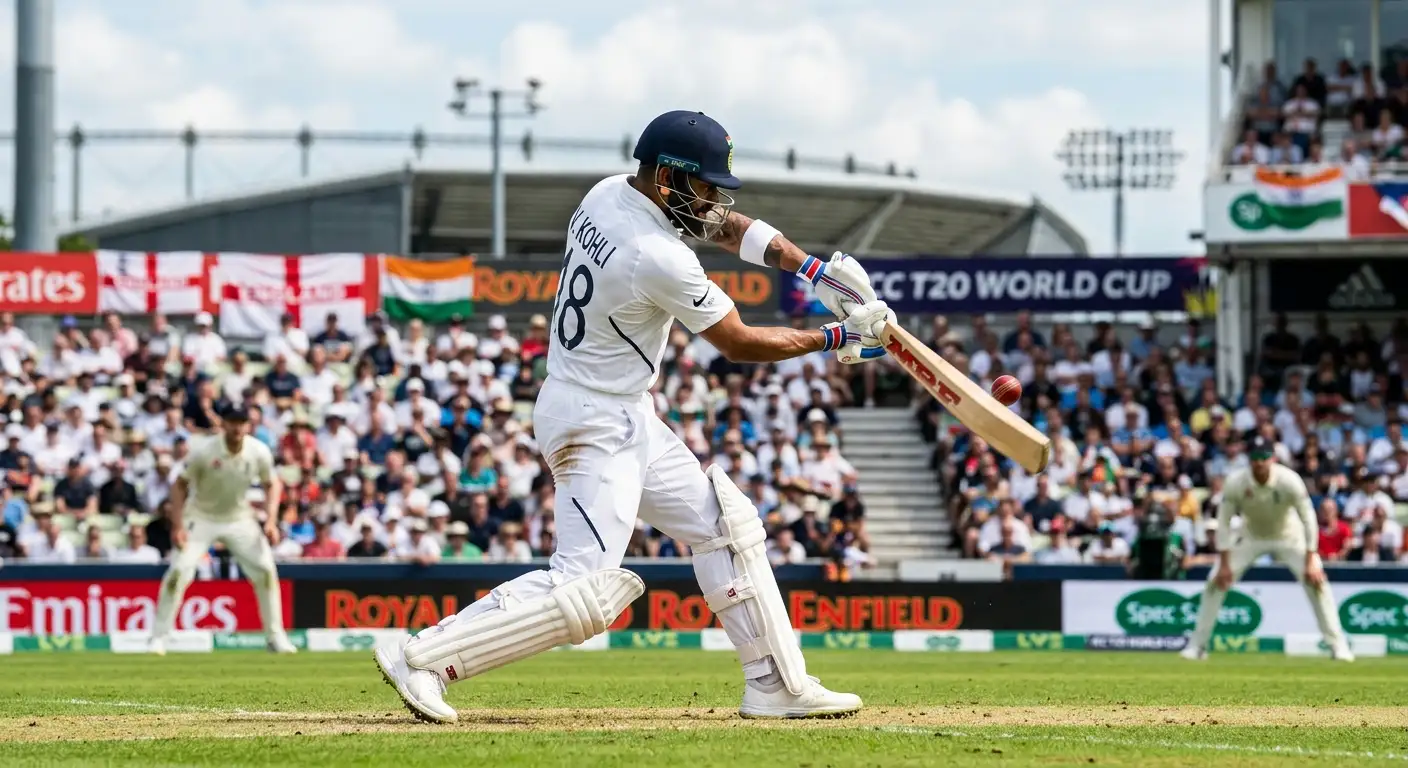
Conditions then refine the picture. A flat, true pitch favours the patient accumulator who will bat long; a spicy, seaming surface might favour a technically tight player who survives the new ball while flashier strokemakers fall. Matchups matter too: a batter with a strong record against a particular type of bowling, facing a team built around that bowling, is a quietly strong angle. The mistake beginners make is backing their favourite star regardless of where he bats or what he faces. The market is about runs in this innings, and runs come from balls faced under specific conditions, so that is what I price.
Top Bowler Tactics
Bowling markets reward a slightly different instinct, and the instinct is about role rather than reputation.
Wickets cluster around the new ball and the death, so frontline seamers who operate in both phases have the most opportunity, and I weight them accordingly. A bowler who only bowls in the middle overs, however skilful, has fewer chances to strike. In conditions that assist seam or swing, the new-ball bowlers move to the front of my thinking; on a turning pitch, the frontline spinner who will bowl a full quota in helpful conditions becomes the value. The key variable is overs bowled, because you cannot take wickets you do not have the chance to take, and a bowler held back or rotated out has his ceiling capped before a ball is bowled.
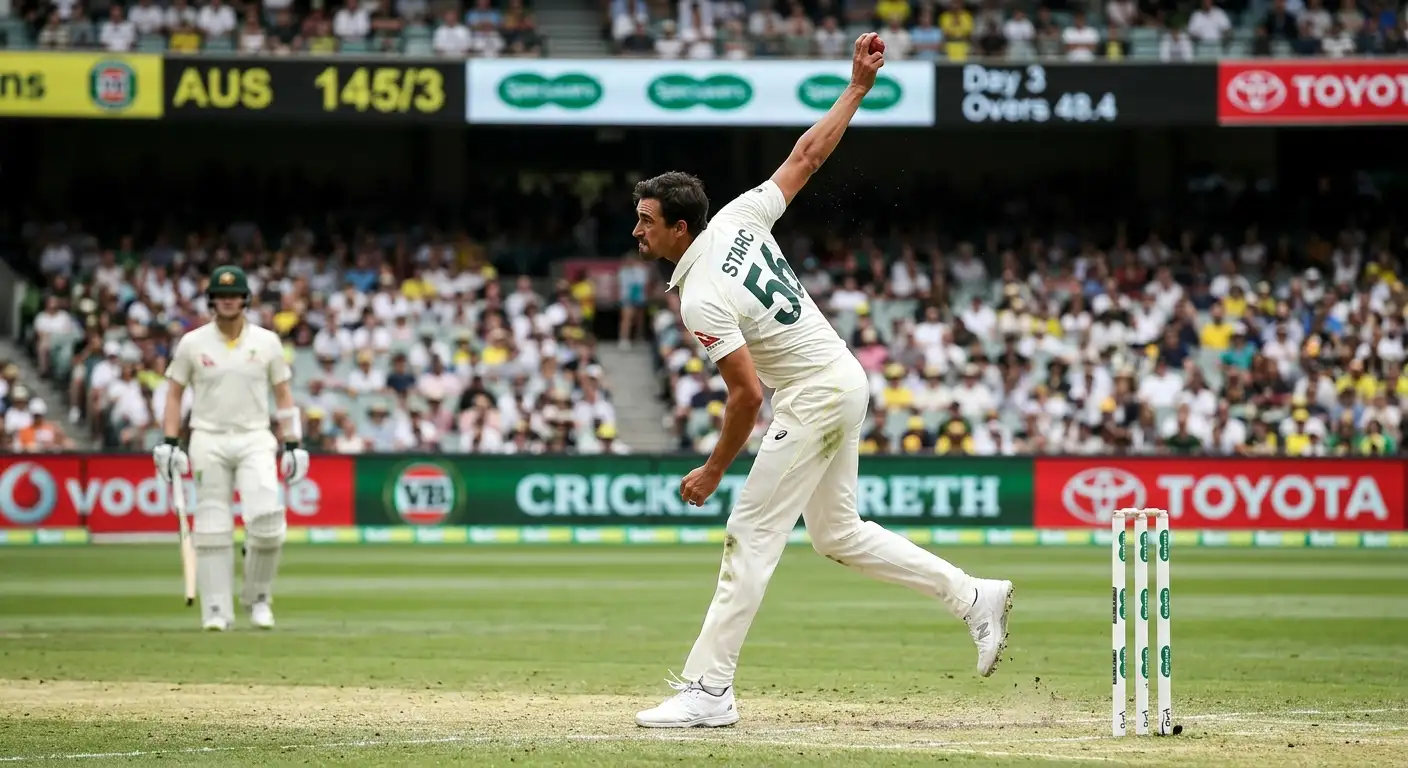
Match situation also shapes bowling opportunity in a way punters underrate. A bowler is far more likely to rack up wickets bowling at a team that has to chase aggressively or is collapsing than one batting out a draw. I think about which bowler is most likely to be operating when wickets are most likely to fall, which is a different question from who is the best bowler. Pair the right bowler with the right phase and the right match state, and you are betting on opportunity stacked on top of ability, which is exactly how the bookmaker priced it and occasionally where it priced it wrong.
Dead-Heat Rules and Getting Paid
I learned this lesson the expensive way, so let me save you the tuition. You can back the right player, watch him top the chart, and still receive less than you expected, all because of a settlement rule most punters never read.
A dead heat occurs when two or more players tie for the relevant honour, most commonly when two batsmen finish on the same top score or two bowlers take the same number of wickets. When that happens, the bookmaker does not pay every backer in full. Instead, your stake is divided by the number of players who tied, and only that fraction is paid at full odds, with the rest treated as a loss. If two batsmen tie for top score and you backed one at decent odds, you effectively get paid on half your stake. It feels unfair the first time it happens, but it is standard across the industry and it is in the terms.
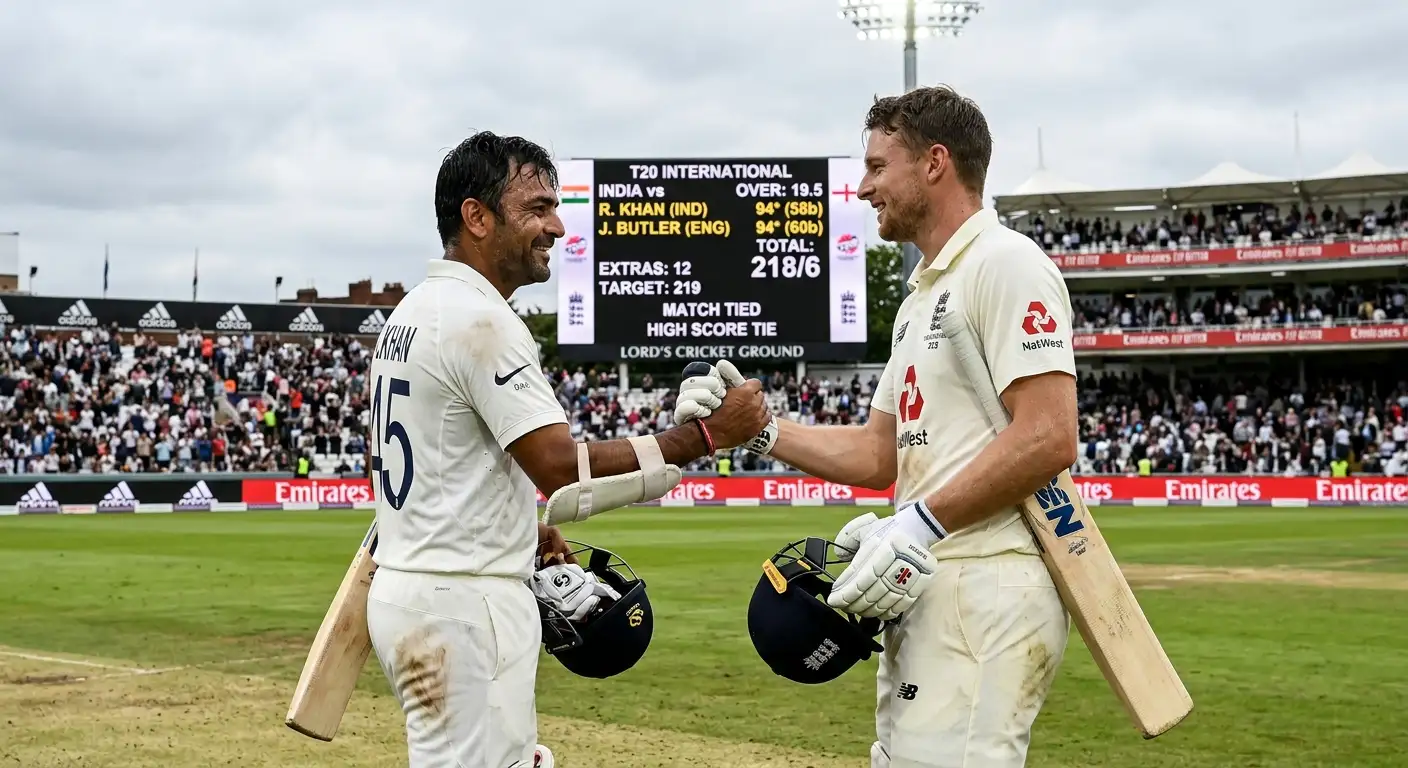
The practical consequence is that ties are more common than you would think in cricket, especially with wickets in shorter formats where several bowlers might finish on two or three, and you should factor that into how you value a price. A nominally attractive price on a bowler in a market prone to dead heats is worth less than the same price in a market where ties are rare. Before I take any top batsman or top bowler price, I check the exact dead-heat terms and I think about how likely a tie genuinely is. It is unglamorous, it is the kind of detail people skip, and skipping it is precisely why so many punters feel cheated by a result they actually predicted correctly. The market rewards knowledge of the game and knowledge of the rules in equal measure, and the rules are the half people neglect.
How are dead heats settled on top batsman bets?
When two or more players tie for the top score or most wickets, the bookmaker divides your stake by the number who tied and pays only that fraction at full odds, treating the remainder as a loss. So if two batsmen tie for top score and you backed one, you are effectively paid on half your stake. Always read the dead-heat terms before betting.
Do these markets cover both innings?
It depends on the market and the format. Some top batsman and top bowler markets settle on a single innings, others on the full match across both innings, and the terms differ between operators and formats. Always check whether the market you are backing covers one innings or the whole match before you stake, since it changes a player’s opportunity entirely.
Written by the editors at Best Cricket Betting Sites.