How Cash Out Works on Cricket Bets: Locking In or Cutting Losses
 Available in US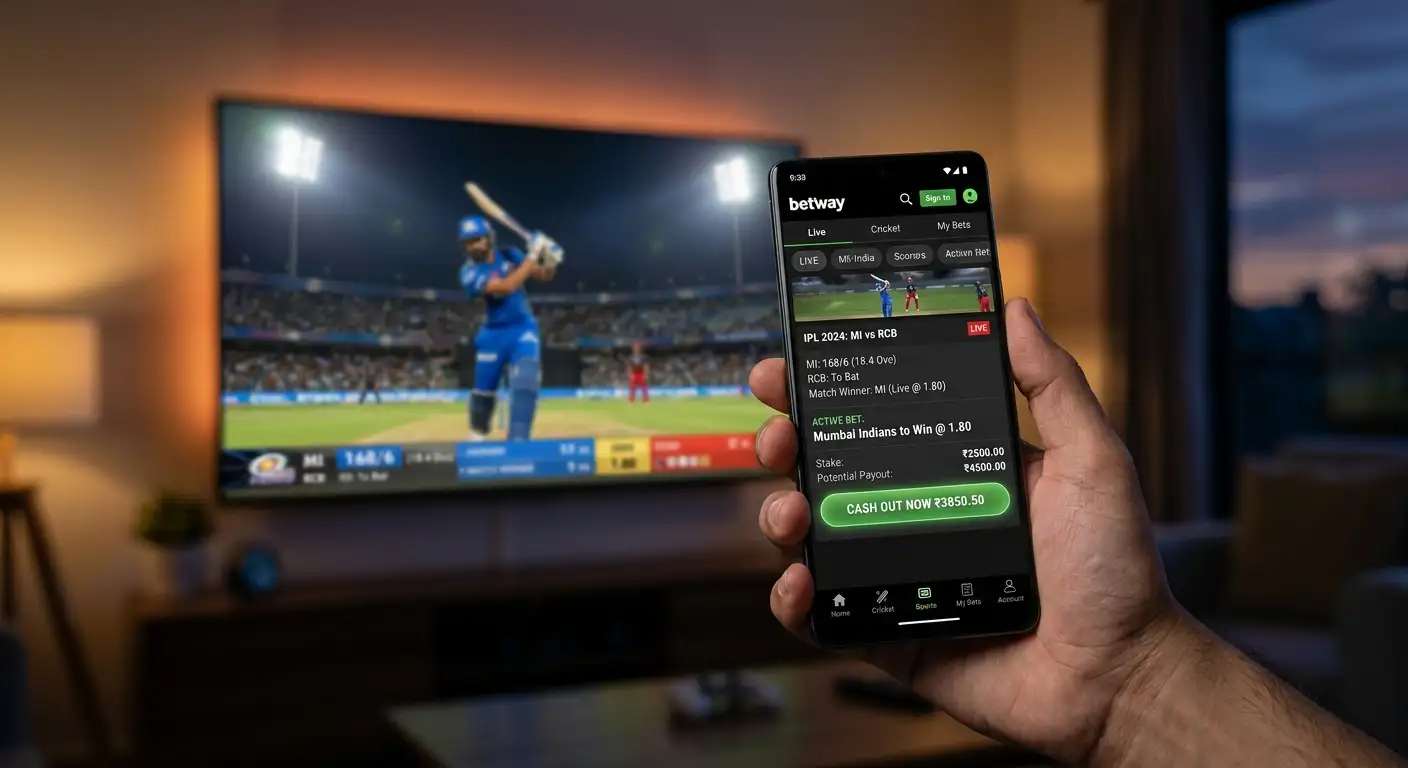
Cash out is the feature that has saved me money and cost me money in almost equal measure, which is the most honest thing anyone will ever tell you about it. The bookmaker presents it as control, a button that lets you take your money and run before the match decides your fate, and that framing is half true. What the framing conveniently omits is that every cash-out offer is priced by the same machine that set the original odds, with the same margin baked in, which means the convenience is never free. Understanding what you are paying for that convenience is the whole point of this article.
I am going to walk you through exactly how cash out works, the difference between the partial and automatic versions, the value trade-off you are making every time you tap the button, and the specific situations where I think cashing out is the right call. Cash out lives almost entirely in the world of live, in-running betting, the fast-moving markets that now account for a large share of cricket wagering within a global online sports-betting market worth around 88 billion dollars in 2025 and forecast to more than double by 2033. If the mechanics of live betting are new to you, my guide to in-play and live cricket betting is the natural companion to this one.
What Cash Out Actually Is
Think of cash out as the bookmaker offering to buy your bet back from you mid-match, at a price it decides. That is the cleanest way to understand it, and it immediately tells you who holds the advantage in the transaction.
When you place a bet and the match is in progress, the probability of your selection winning is constantly changing. Cash out lets you settle the bet early for a value the bookmaker calculates based on the current state of play. If your bet is going well, the offer will be more than your stake, locking in a profit smaller than your full potential win. If it is going badly, the offer will be less than your stake, letting you recover something rather than losing it all. Either way, you end the bet there and then, and the eventual result no longer matters to you.
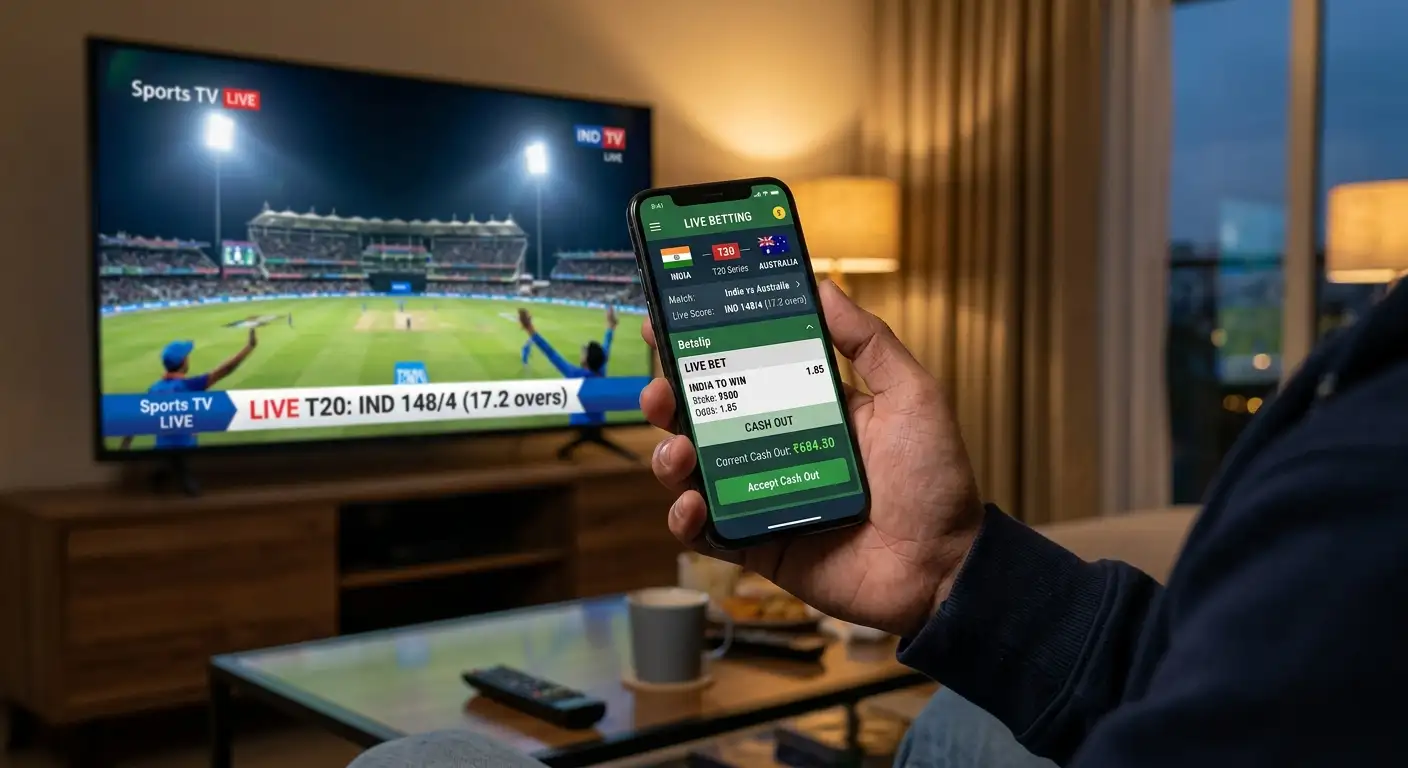
The crucial thing to grasp is that the cash-out figure is not a neutral, fair valuation. It is the bookmaker’s price, and it carries the bookmaker’s margin, the overround, the same built-in tax that sits inside every odds it offers. You are paying a premium for the certainty of settling now. Sometimes that premium is worth it. The skill is knowing when.
Partial and Automatic Cash Out
Most sites have moved well beyond a single all-or-nothing button, and the variations genuinely change how you can use the feature, so they are worth knowing.
Partial cash out lets you take some of your money out while leaving the rest of the bet running. Say you backed a team for ten pounds, the match is going your way, and you are offered eighteen pounds to cash out. With partial cash out you might take twelve pounds now, banking a guaranteed profit, and let the remaining stake ride for the full win if the team holds on. It is a way of hedging your own bet against yourself, securing something while keeping upside. I use it more than the full button, because it splits the difference between greed and fear, which is exactly where most good betting decisions live.

Automatic cash out is a standing instruction. You set a value, and the moment the bookmaker’s cash-out offer reaches that figure, the bet settles automatically without you watching. This is built for cricket specifically, because matches run for hours or days and you cannot stare at a screen the whole time. Set an auto cash out at a profit level you would be happy with, and the system takes it for you if the market gets there. The risk is that markets move fast in cricket, a couple of quick wickets or a flurry of boundaries, and an auto trigger can fire on a brief swing that would have reversed minutes later. It removes emotion, which is good, but it also removes judgement, which is sometimes bad.
The Value Trade-Off You Are Making
Here is the uncomfortable arithmetic that the cash-out button is designed to make you forget in the heat of a match.
Every time you cash out, you accept a value that is, on average, slightly below the true mathematical worth of your position, because the bookmaker’s margin is embedded in the offer. If you cashed out every winning bet early and let every losing bet run, over hundreds of bets you would end up worse off than if you had simply let your bets stand, purely because of the margin you pay on each cash out. The feature is, in pure expected-value terms, a slow leak. Bookmakers love it, and they love it because it is profitable for them, which should tell you something.

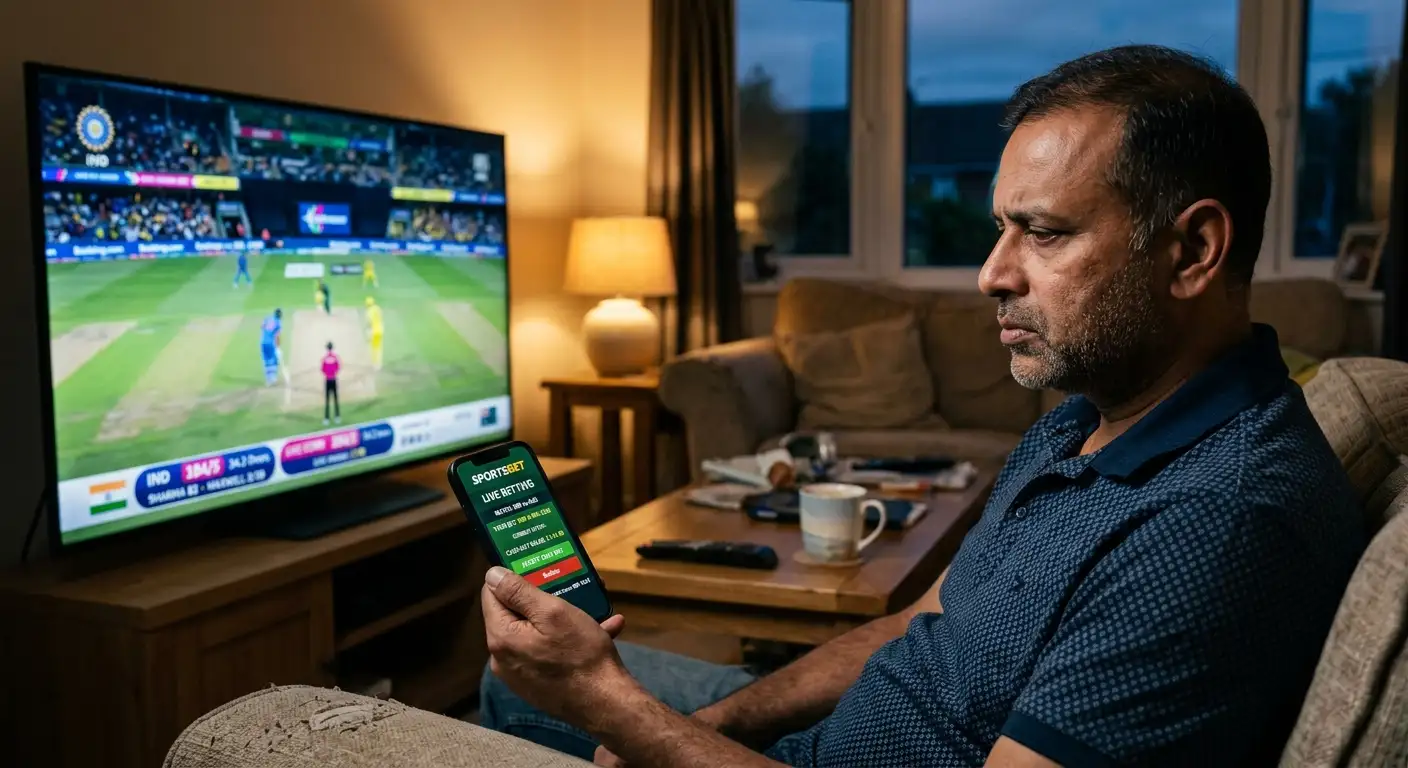
And yet I still use it, deliberately and selectively, because expected value is not the only thing that matters to a human being with a finite bankroll and a nervous system. Locking in a profit that materially changes your week, or cutting a loss before a deteriorating position becomes a total one, has a value that the cold arithmetic does not capture. The mistake is cashing out reflexively, every time, out of anxiety. The discipline is cashing out occasionally, for a specific reason, knowing you are paying a small premium for it. With live markets making up over a third of cricket betting volume, this button is in front of you constantly, and constant availability is exactly what makes reflexive use so easy and so costly.
When Cashing Out Makes Genuine Sense
After years of pressing and not pressing this button, I can give you the short list of situations where I think cashing out is clearly the right call rather than a panic response.
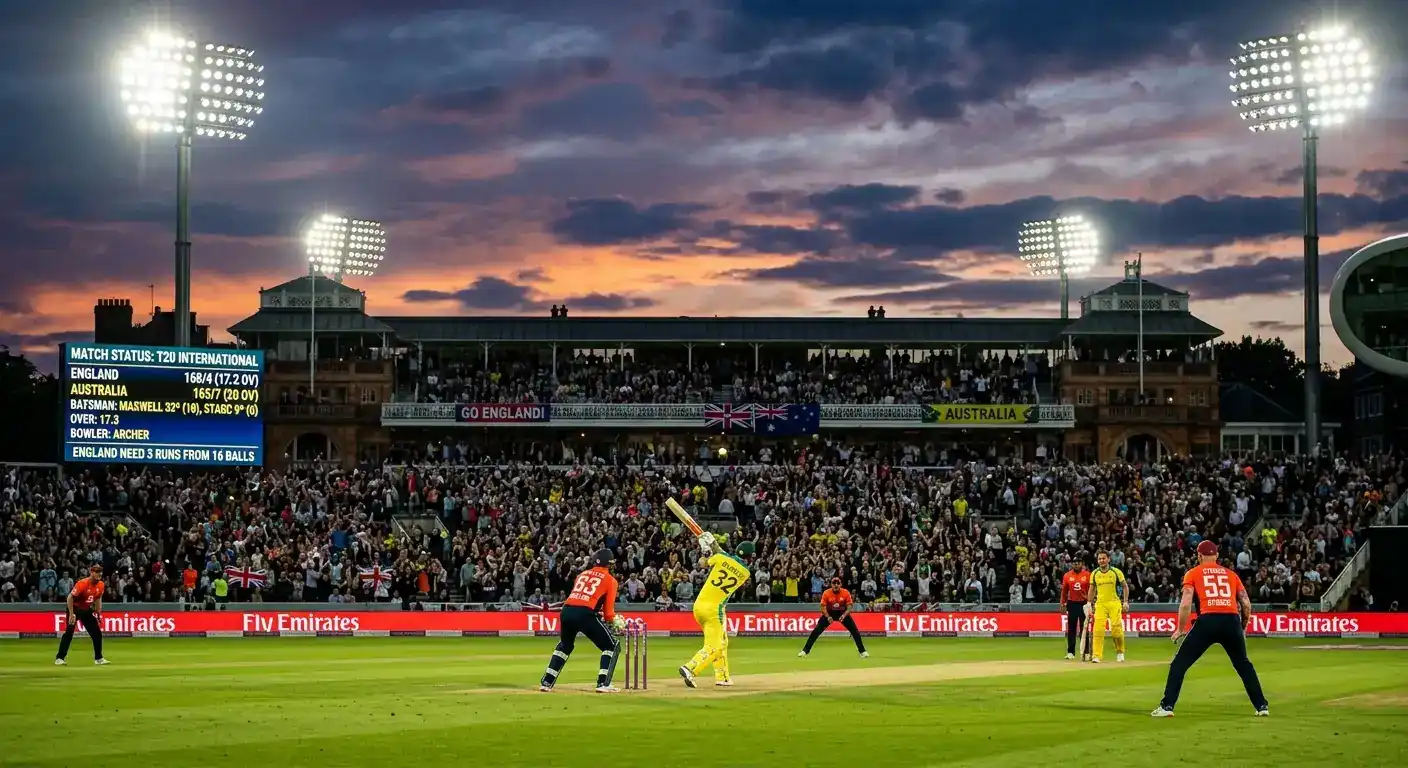
The first is when the cash-out value would meaningfully change your position and the remaining outcome is genuinely uncertain. If you are offered a profit that matters to you and the match could plausibly go either way, taking the certainty is a defensible, grown-up decision, even at a small premium. The second is cutting a loss on a bet whose rationale has collapsed: you backed a chase, two early wickets have fallen, and your read on the match is now wrong. Recovering part of your stake before the position dies completely is sound risk management, not weakness.
The situations where I do not cash out are just as clear. I do not cash out simply because a bet is winning and I am nervous, when nothing about the match has actually changed my original judgement, because that is paying a premium to soothe an emotion. And I do not cash out tiny amounts on long-shot bets where the premium swallows most of the value. The button is a tool for specific moments, not a habit. Use it when you have a reason you could explain to a sober friend, and leave it alone when the only reason is the flutter in your chest. That single rule will keep cash out as the useful feature it can be, rather than the slow drain it becomes for people who tap it on instinct.
Does cash out reduce my potential winnings?
Yes, when your bet is winning. Cashing out settles the bet for less than the full amount you would collect if it ran to a successful finish, because you are trading the chance of the bigger win for certainty now, and the bookmaker’s margin is built into the offer. In return, you eliminate the risk of the match turning against you.
Can I cash out a cricket accumulator?
Often, yes. Many UK-licensed sites allow cash out on accumulators once the bet is in progress, offering a value based on the legs already settled and the current state of the remaining selections. The offer carries the same embedded margin as any cash out, so treat it as a deliberate decision rather than a reflex.
Published by the Best Cricket Betting Sites team.