The ECB Code of Conduct on Gambling Sponsorship: What Changed in 2025
 Available in US
The relationship between cricket and gambling money is older and deeper than most fans realise, and in 2025 the England and Wales Cricket Board decided it was time to set some rules around it. The ECB Code of Conduct on Sponsorship Agreements with Gambling Companies is not a ban, and anyone expecting one will be disappointed or relieved depending on their politics, but it is a genuine attempt to manage a commercial relationship that has become increasingly fraught. I find it a thoughtful piece of self-regulation, and worth understanding properly, because it reflects the wider direction of travel in how sport and gambling are expected to coexist responsibly.
Cricket has leaned heavily on gambling sponsorship, and the scale of that reliance is substantial: at least 165 sponsorship deals were struck between betting companies and cricket teams, tournaments and players between 2020 and August 2025. The Code is the governing body’s response to mounting public and political pressure around exactly that volume of gambling money in the game. I will explain why the Code came about, the four principles it is built on, who it actually applies to, and what it means for fans watching cricket wrapped in betting branding.
Why the Code Exists
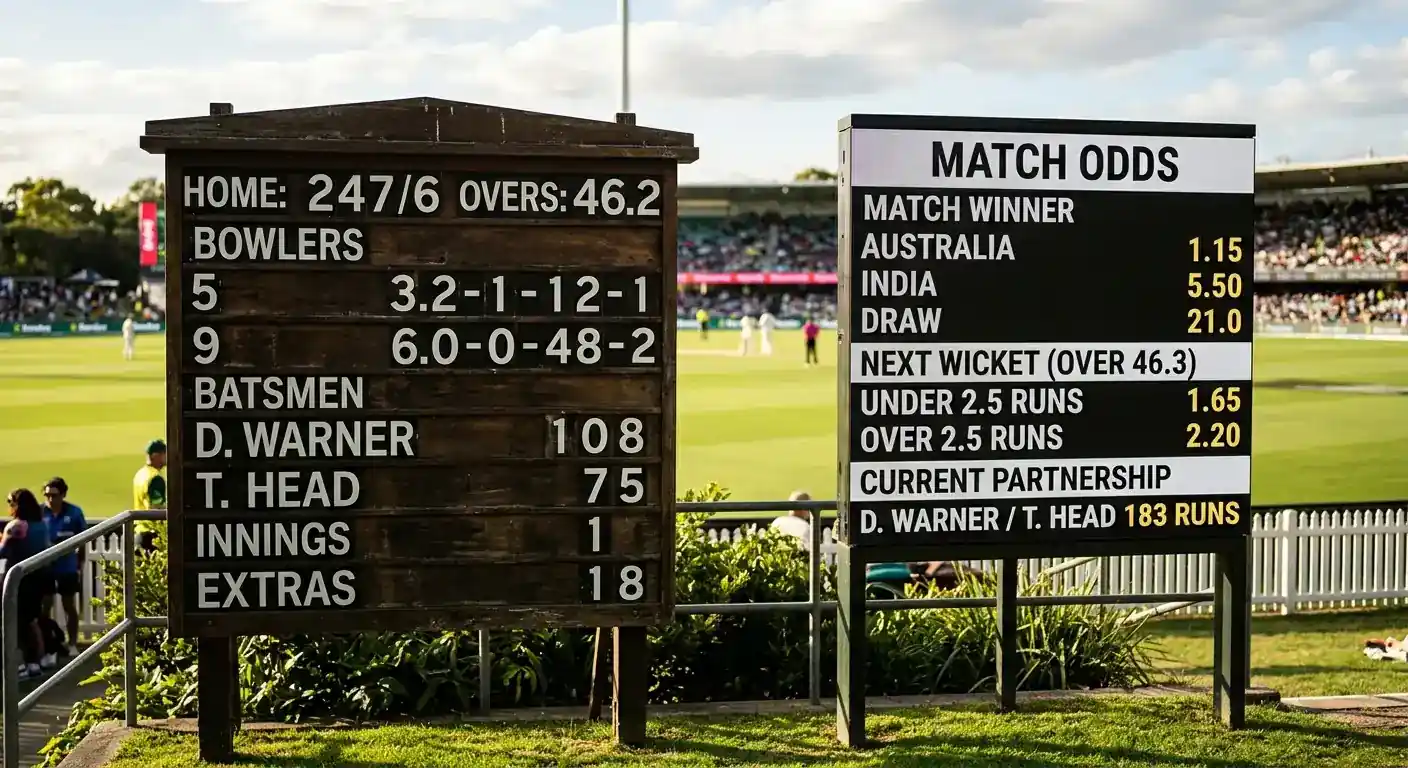
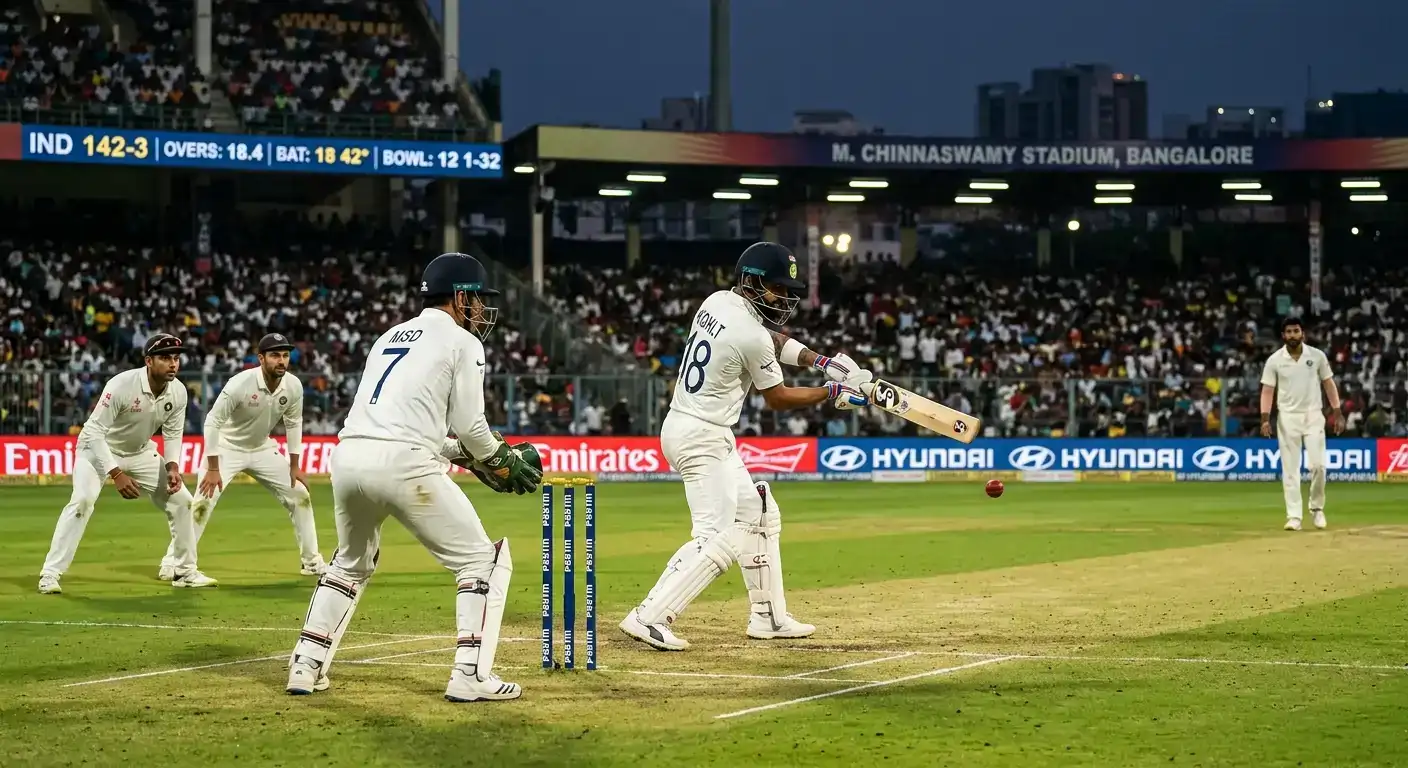
Walk around any county ground or watch any broadcast and you cannot miss the betting brands, on shirts, on boundary boards, in the gaps between overs. That ubiquity is precisely what created the pressure the Code responds to.
The sheer volume of gambling sponsorship in cricket, those 165-plus deals over five years, made the sport a focal point in a wider national debate about how much gambling marketing the public, and especially children, should be exposed to. Cricket’s problem is particular: it is a family sport with a strong appeal to children, played across long summer days that families watch together, and the saturation of betting branding in that environment sat increasingly uneasily with the sport’s self-image and its responsibilities. The ECB faced a choice between waiting for regulation to be imposed from outside or setting its own standards from within, and it chose the latter.

The Code is therefore best understood as proactive self-regulation, an attempt to demonstrate that cricket can manage its gambling relationships responsibly without a statutory ban being forced upon it. Whether that judgement proves durable will depend on how the Code is implemented and whether the public finds it sufficient, but the motivation is clear. The game wanted to keep the commercial benefits of gambling sponsorship, which are significant for clubs that depend on the income, while addressing the genuine harms and the reputational risk of unmanaged betting saturation. The Code is the compromise that attempts to hold both of those things together.
The Four Principles
The Code rests on four principles, and they are worth taking individually because together they define what responsible gambling sponsorship in cricket is now supposed to look like.
The first is reinvestment, the principle that the commercial relationship with gambling should return value to the game rather than simply extracting attention from it. The second is integrity, the recognition that gambling sponsorship must not compromise the honesty of the sport, a particularly loaded concern in cricket given its history with corruption. The third is the protection of children and vulnerable people, the principle that most directly addresses the family-sport problem, requiring that sponsorship arrangements take account of the audiences cricket reaches and limit the exposure of those most at risk. The fourth is socially responsible promotion, the broad requirement that any gambling marketing within cricket is conducted responsibly rather than aggressively.

What I appreciate about this framework is that it does not pretend gambling sponsorship is harmless and simply wave it through, nor does it pretend the money can be done without. It names the specific concerns, integrity, vulnerable audiences, the character of the promotion, and sets principles against each. The Code applies these from the start of the 2025 season, giving them effect across the professional game rather than leaving them as aspirations. Principles are only as good as their enforcement, of course, but as a statement of what cricket now expects of its gambling partners, the four pillars are coherent and address the right problems.

Who It Applies To
The scope of the Code is broad within the professional game, which is what gives it teeth, and understanding that scope tells you how seriously the ECB intends it.
The Code applies to all professional county clubs and to the teams of The Hundred, the ECB’s flagship short-format competition. That breadth matters, because it means the principles are not a token gesture confined to one corner of the game but a standard applied across the professional structure of English and Welsh cricket. Every county that relies on gambling sponsorship income, and many do, now operates under the same set of principles, as do the franchises of the competition the ECB has invested most heavily in promoting to new and younger audiences.

The inclusion of The Hundred is especially telling, because that competition was explicitly designed to attract families and children to cricket, the very audience the child-protection principle is most concerned with. By bringing The Hundred squarely within the Code, the ECB acknowledged that its newest and most family-oriented product carries the greatest responsibility around gambling exposure. The wider context of how these sponsorship deals are structured and the tensions they create is something I explore in my piece on cricket sponsorship and betting deals, but the headline on scope is that the Code reaches across the professional game and lands most pointedly on the competition built for the audiences most in need of protection.
What It Means for Fans
For the ordinary fan watching cricket, the Code’s effects are subtle rather than dramatic, and it is worth being honest about both what changes and what does not.
What does not change is that gambling sponsorship remains part of cricket. You will still see betting brands on shirts and boundary boards, because the Code manages the relationship rather than ending it. Anyone hoping the Code would scrub gambling from the sport will be disappointed, and I think it is important to set that expectation clearly rather than overselling what a voluntary code of conduct can achieve. The commercial reality is that many clubs depend on this income, and the Code was never intended to remove it.

What does change, gradually, is the character and context of that sponsorship. The principles push towards arrangements that protect children and vulnerable people, promote responsibly, and safeguard integrity, which over time should mean less aggressive, more carefully placed gambling marketing within the game, particularly around the family-oriented competitions. For a fan who also bets, the Code is a reminder that the betting brands you see are operating within an increasingly structured set of expectations, and that the sport is taking its responsibilities around gambling more seriously than it once did. It is incremental, it is imperfect, and it is a meaningful step in a direction that reflects the broader national reckoning with how much gambling marketing is healthy in public life. Watching cricket should not feel like being marketed to relentlessly, and the Code is the game’s attempt to keep it that way.
Does the ECB Code ban gambling sponsorship outright?
No. The Code of Conduct manages the relationship between cricket and gambling sponsorship rather than ending it, setting principles around reinvestment, integrity, protection of children and vulnerable people, and socially responsible promotion. Betting brands remain part of the sport, but sponsorship arrangements are now expected to operate within these standards.
Which competitions does the Code cover?
The Code applies across the professional game, covering all professional county clubs and the teams of The Hundred, the ECB’s flagship short-format competition. The inclusion of The Hundred is significant because it was designed to attract families and children, the audience the Code’s child-protection principle is most concerned with.
Published by the Best Cricket Betting Sites team.