Cricket Sponsorship & Betting Deals: How Money Flows Through the Game
 Available in US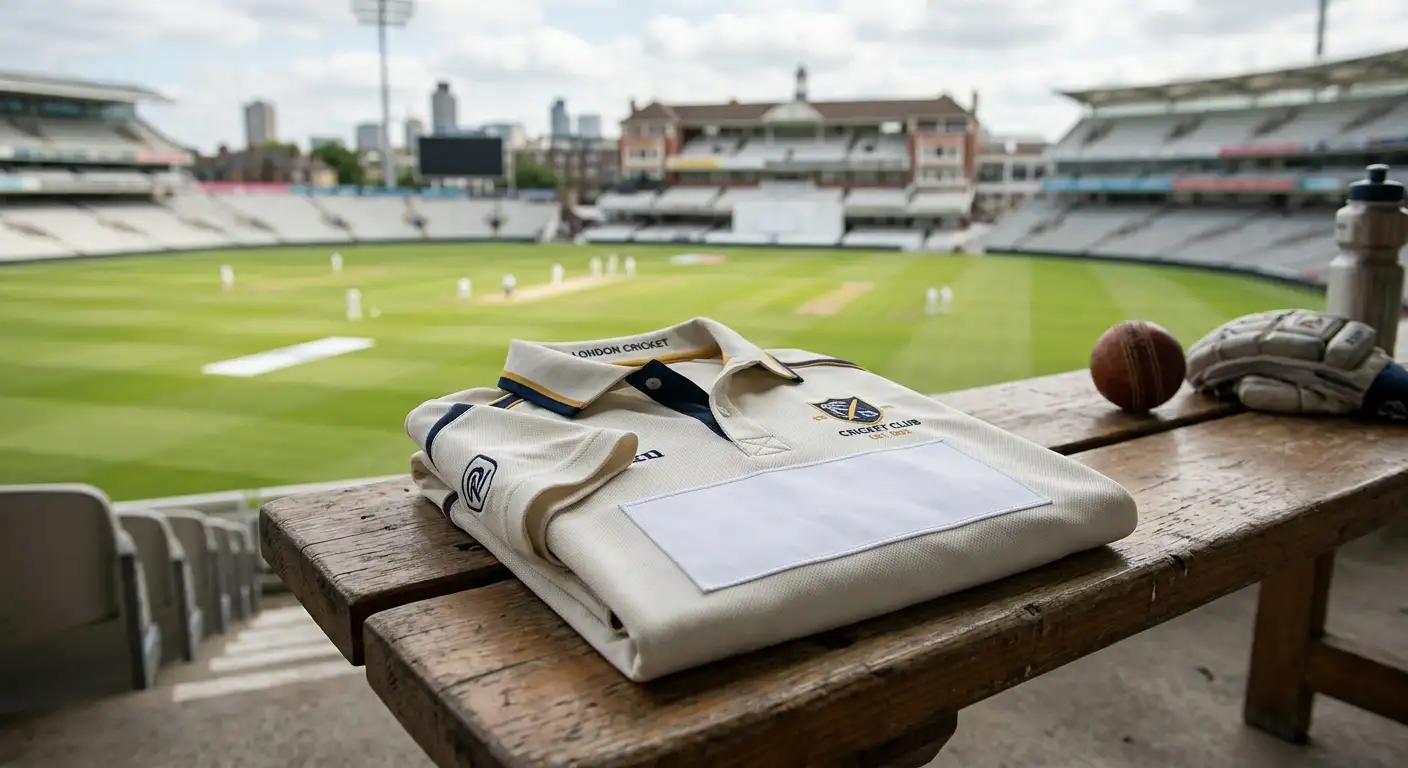
Follow the money in cricket and it leads, again and again, to betting companies. The relationship has become so dense that it is genuinely difficult to watch professional cricket without encountering betting branding at every turn, and that is not an accident. It is the result of a deliberate flow of money from the gambling industry into a sport that, in many parts of the world, depends on it. I want to trace that flow honestly, because understanding where the money comes from and what it buys tells you a great deal about the pressures shaping the game you bet on, including the integrity tensions that sit at the heart of it.
The scale is the place to start, and it is considerable: at least 165 sponsorship deals were struck between betting companies and cricket teams, tournaments and players between 2020 and August 2025. This piece examines that scale, how the deals are actually structured, the genuine integrity tensions they create, and the regulatory direction the whole relationship is heading in. This is the commercial machinery behind the sport, and it is worth seeing clearly rather than ignoring while you focus only on the cricket.
The Scale of Betting Sponsorship
That figure of 165-plus deals in five years deserves to be sat with for a moment, because it represents a saturation that has crept up on the sport gradually enough that few people registered it happening.
One hundred and sixty-five deals across teams, tournaments and individual players is not a handful of high-profile shirt sponsorships. It is a dense web of commercial relationships running through every level of the professional game, from international tournaments down to individual player endorsements. Betting money has become one of the most reliable sources of sponsorship income in cricket, particularly in markets where the sport’s commercial base is otherwise thin, and that reliability is exactly what makes the relationship so entrenched. When a category of sponsor is both willing and able to pay consistently, sports lean into it, and cricket has leaned hard.

The reasons betting companies value cricket sponsorship are straightforward. Cricket commands enormous, engaged audiences, especially in South Asia where the sport’s popularity is matched by a vast appetite for betting, and a betting brand on a cricket shirt or a tournament title reaches exactly the demographic it most wants. The sport delivers attention, and betting companies pay for attention. The result is the saturation you see, and the 165 figure is simply the measurable shape of a relationship that has become foundational to how professional cricket funds itself.
How the Deals Are Structured
The deals come in several forms, and the variety matters because different structures carry different risks and different visibility, which shapes how the relationship affects the sport.
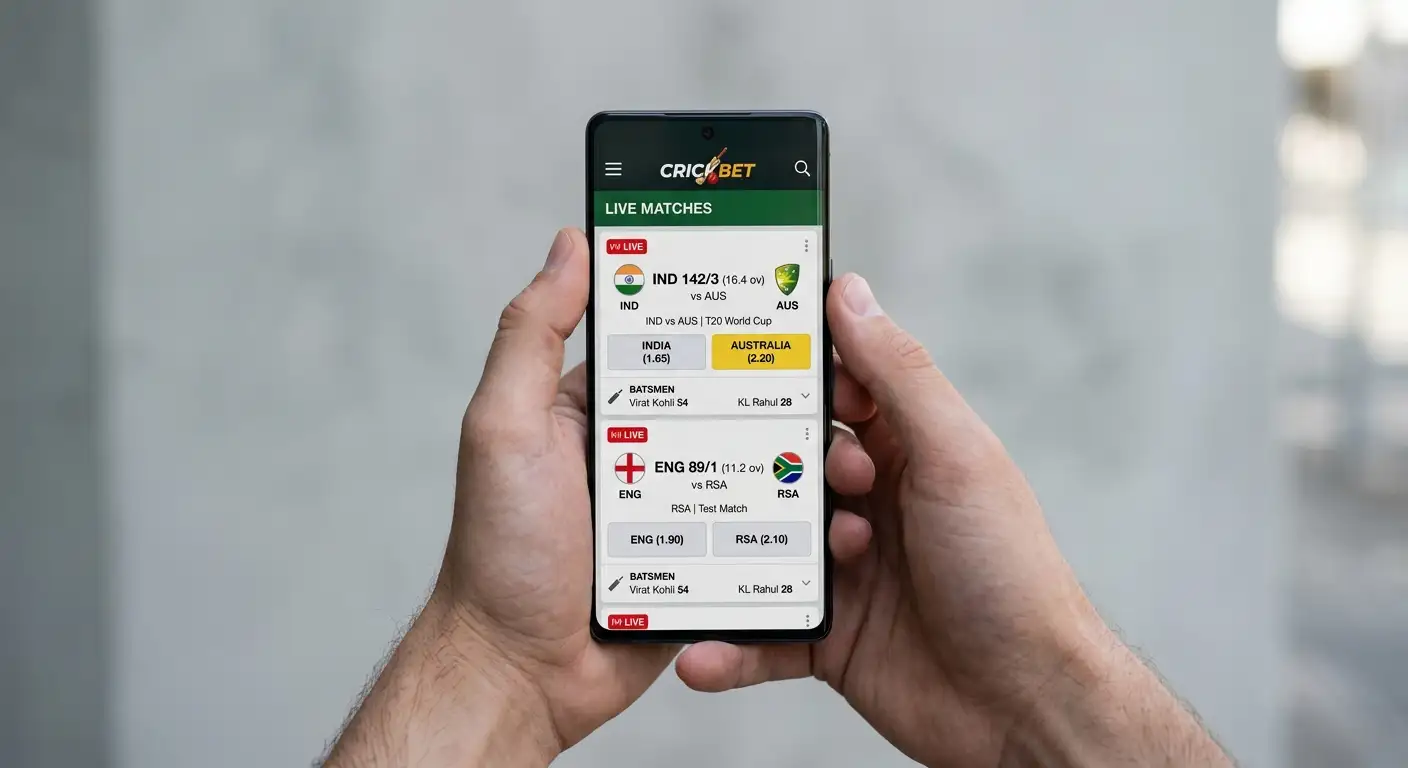
At the top sit title and tournament sponsorships, where a betting brand attaches its name to a competition itself, buying the most prominent association money can secure. Below that are team and shirt sponsorships, the betting logos on playing kit that are the most visible form to the average viewer. Then there are official partnerships, where a betting company becomes the designated betting partner of a team or tournament, and individual player endorsements, where a recognisable cricketer becomes the face of a brand. Each layer represents a different price point and a different kind of association, and together they create the multi-tiered web that the 165 deals describe.
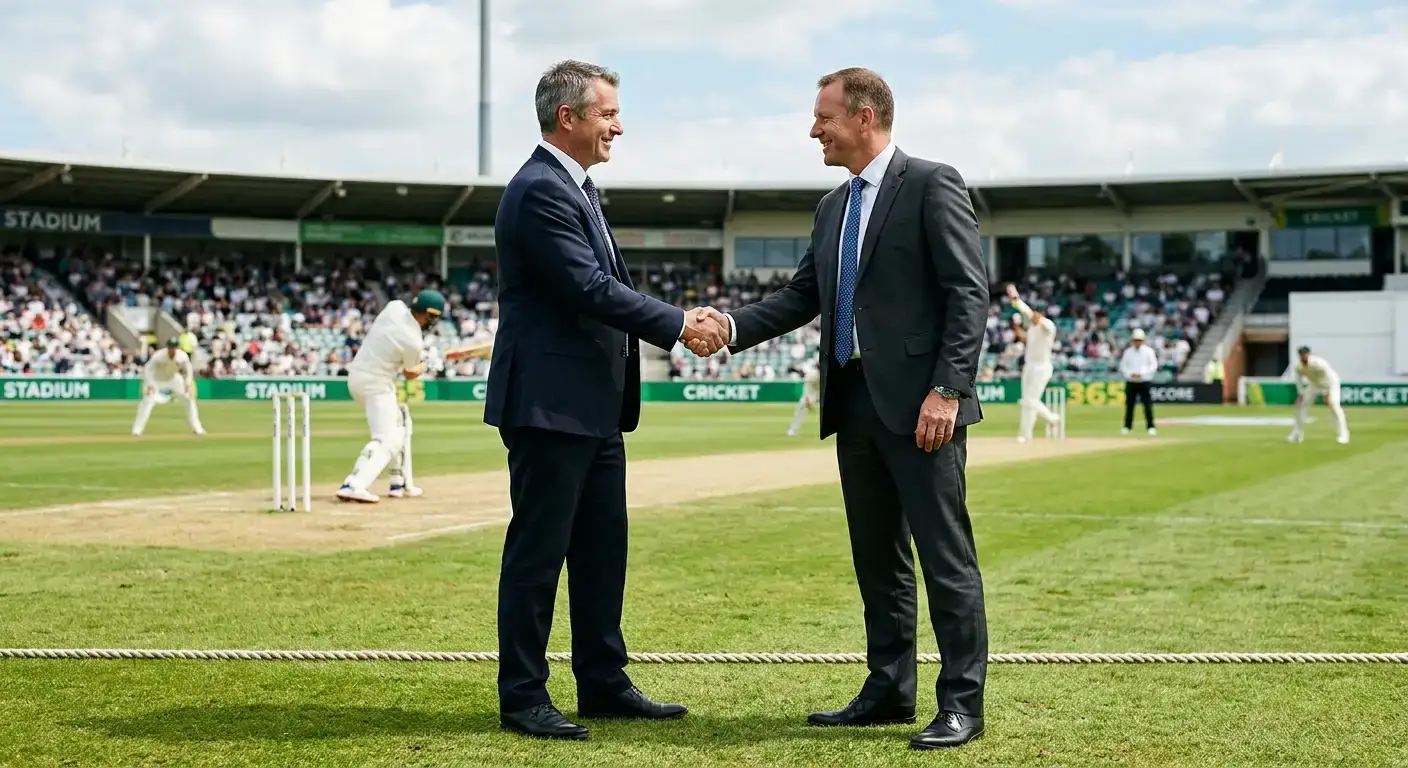
What unites these structures is that they all buy proximity to the sport and its audience, and that proximity is where the value and the risk both live. A betting brand on a shirt is buying the trust and affection fans feel for their team, transferring some of that warmth to the brand. That is legitimate commerce, but it is also precisely why the relationship is scrutinised, because the closer the betting industry gets to the sport, the more the sport’s integrity and the betting industry’s interests become entangled. The structure of the deals is the structure of that entanglement, and understanding it is the first step to understanding the tensions it produces.
The Integrity Tensions
Here is where the commercial story becomes a serious one, because the same money that funds the game also flows from an industry with a direct financial interest in its outcomes, and that is an uncomfortable position for any sport.
The integrity concern is not usually that a sponsoring betting company would itself try to fix a match; the licensed companies that strike these deals have every reason to want clean sport, since corruption damages the product they profit from. The deeper tension is structural and reputational: a sport saturated with betting money normalises betting in a way that can increase exposure and risk, particularly among the young and vulnerable, and it ties the sport’s commercial health to an industry under intense public scrutiny. When a game depends on gambling income, it becomes harder for that game to take a critical stance on gambling harm, which is a real conflict even when no individual deal is improper.

There is also a specific, evolving threat that the integrity bodies track closely, and it bears directly on where betting sponsorship and betting markets are expanding. The reclassification of all international T20 matches as full internationals broadened the range of fixtures carrying official status and betting markets, extending the betting footprint into matches with historically lighter integrity coverage. A senior international cricket official captured the shifting focus of corruption when he warned that the corruptors were now turning towards associate members and women’s teams, stressing the need to educate players across all teams. That movement of the threat towards the newer, less scrutinised corners of the game is happening at the same time as betting markets and betting sponsorship expand into those same corners, and the overlap is exactly the kind of tension the sport must manage through education and monitoring.

The Regulatory Direction
The relationship between cricket and betting money is not static, and the direction of regulatory travel is unmistakable, even if its destination is still uncertain.
The clearest signal is the England and Wales Cricket Board’s introduction of its Code of Conduct on gambling sponsorship from the 2025 season, a framework of principles around reinvestment, integrity, protection of the vulnerable and responsible promotion that I cover fully in my piece on the ECB gambling sponsorship code. That the governing body felt compelled to act at all tells you the pressure is real and growing. The Code is self-regulation chosen in preference to waiting for statutory restriction, and it reflects a judgement that the status quo of unmanaged saturation was no longer tenable.

Where this heads is genuinely open. The pressures pushing towards tighter restriction, public concern about gambling harm, political attention, the particular sensitivity of children’s exposure in a family sport, are all strengthening. The pressures pushing back, chiefly the financial dependence of clubs and competitions on betting income, are equally real and will not vanish. My read, after years of watching this relationship evolve, is that the direction is towards more managed, more restricted and more scrutinised gambling sponsorship rather than its elimination, because the money is too important to the sport’s finances to simply forgo. The betting brands will likely remain, but the terms on which they appear, where, how prominently, and around which audiences, will keep tightening. For a punter, the value in understanding all this is perspective: the sport you bet on is shaped by commercial forces that have their own momentum, and seeing those forces clearly is part of betting like an adult rather than a spectator.
How many betting sponsorship deals exist in cricket?
At least 165 sponsorship deals were struck between betting companies and cricket teams, tournaments and players between 2020 and August 2025. This spans title and tournament sponsorships, team and shirt deals, official betting partnerships and individual player endorsements, forming a dense web of commercial relationships through every level of the professional game.
Why are associate-level matches a concern?
As the highest-profile international cricket has become harder to corrupt, integrity bodies have observed the threat shifting towards associate members, women’s teams and lower-profile fixtures where scrutiny is historically thinner. This movement is happening at the same time as betting markets and sponsorship expand into those same areas, creating an overlap the sport must manage carefully.
Created by the ”Best Cricket Betting Sites” editorial team.