T20 vs Test Betting: How Format Reshapes Markets & Margins
 Available in US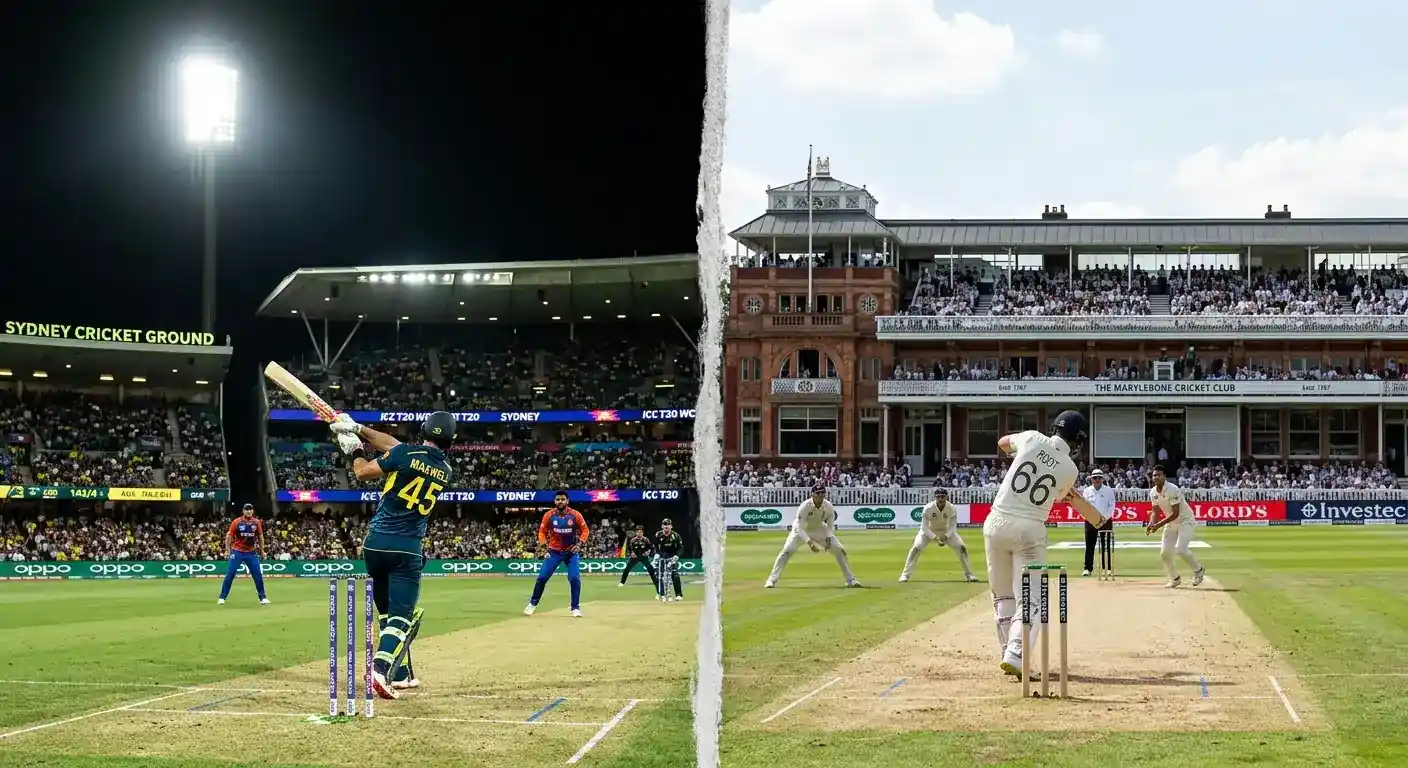
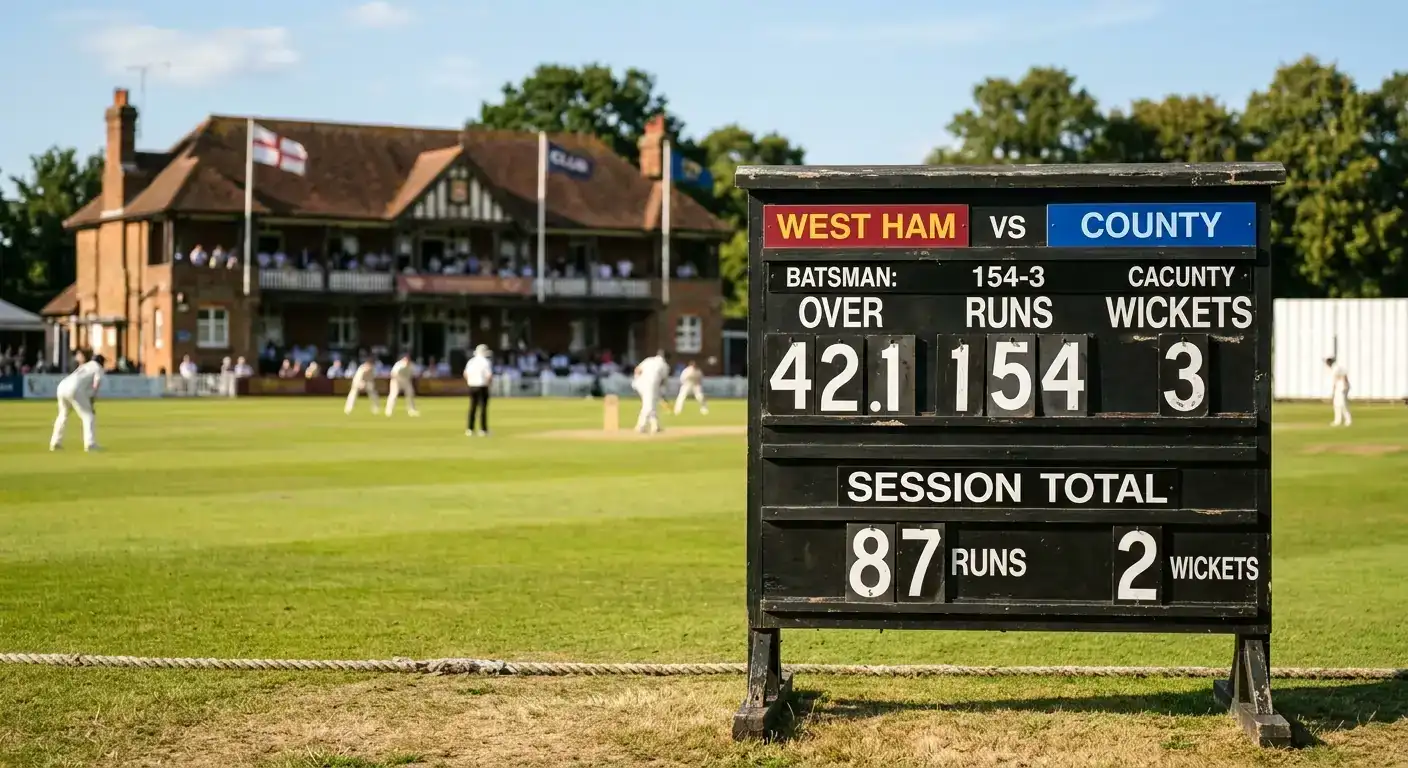
The single most common mistake I see in cricket betting is treating all cricket as one thing. A punter who has had success on T20 wanders into a Test match with the same instincts and gets quietly dismantled, not because they have stopped understanding cricket but because they have failed to notice that the formats are almost different sports for betting purposes. The pace, the volatility, the markets available and the margins you pay all shift dramatically depending on whether you are betting three hours of fireworks or five days of attrition. Understanding that shift is, in my experience, the difference between a punter who travels well across formats and one who only wins in the one they happen to know.
This piece lays out the differences that actually matter for betting. I will cover the pace and volatility that define each format, how the available markets change, how the margins differ, and how to adapt your whole approach when you move between them. The formats sit within a market where player-specific and live betting now make up over a third of all cricket wagering, and how that live and granular betting behaves is itself transformed by format. Get the format right in your head before you bet, and half the work is done.
Pace and Volatility
Imagine betting on a sprint versus betting on a marathon. Both are running, but everything about how the race unfolds, where the decisive moments fall, how quickly fortunes change, is different, and that is precisely the gap between T20 and Test cricket.
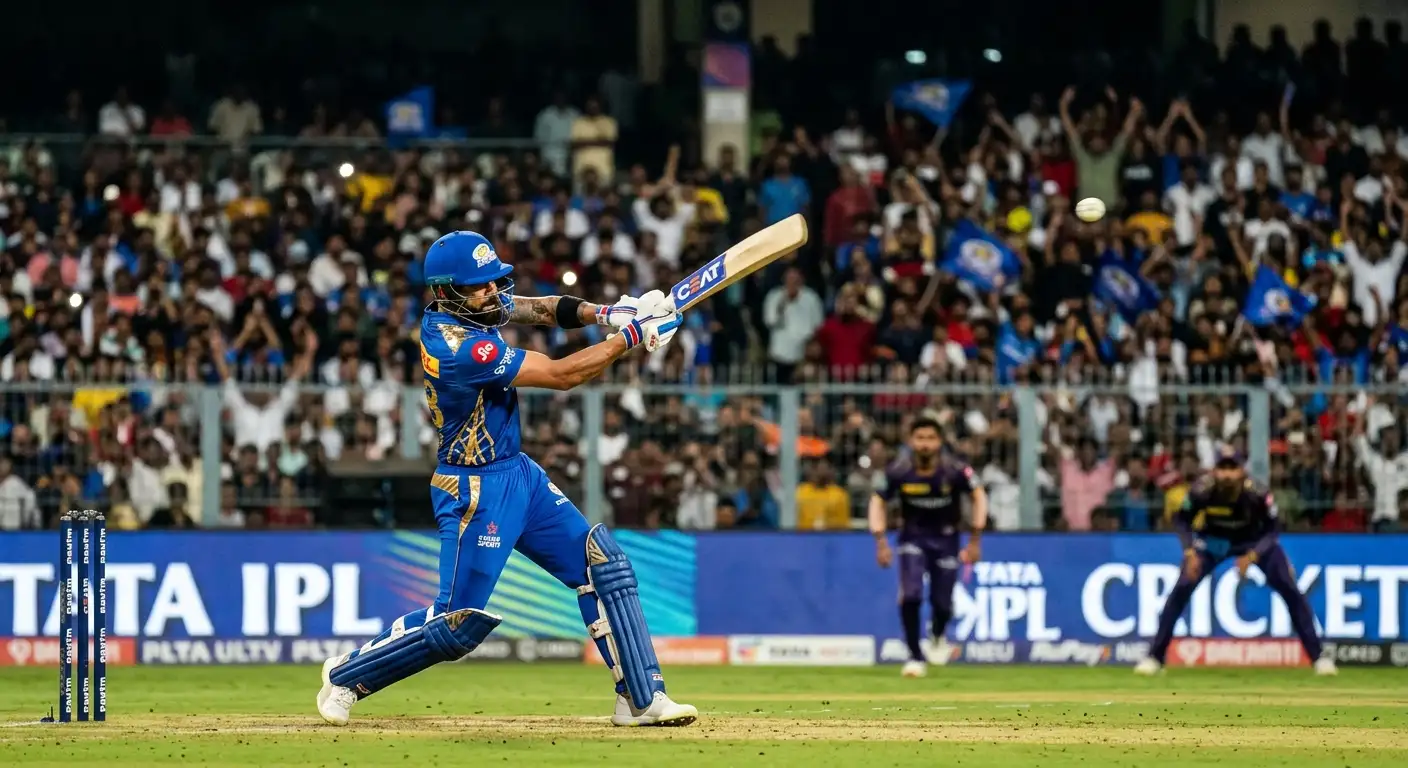
T20 is a sprint, and its defining characteristic for a bettor is volatility. A match can swing completely in the space of a single over, a flurry of sixes or a sudden collapse rewriting the probabilities in minutes. This makes T20 thrilling and treacherous in equal measure, because your read on the match, however sound, can be overturned by a short burst of play you could never have predicted. The variance is enormous, which means even a well-judged T20 bet carries more inherent uncertainty than its Test equivalent, and stake sizing has to respect that. I bet T20 knowing that being right about the better team still leaves a great deal to chance.
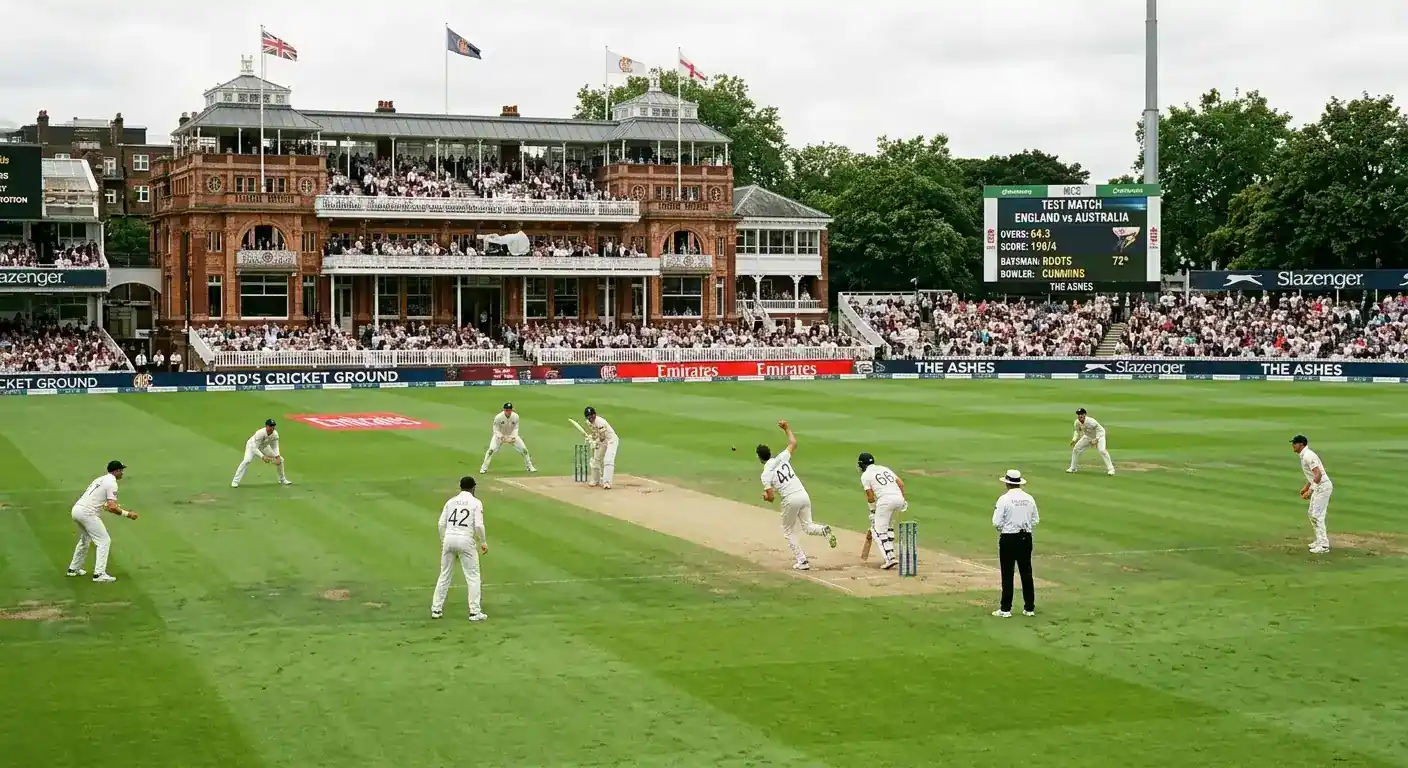
Test cricket is the marathon, and it rewards a completely different temperament. Fortunes shift gradually across sessions and days, a pitch deteriorates predictably, an advantage built over hours rarely evaporates in minutes. The lower volatility means a sound read on a Test match holds up better over time, and the in-running prices move with a logic you can follow and anticipate rather than being whipsawed by chaos. The trade-off is patience: a Test bet is a slow burn, and the discipline it demands is the discipline of waiting. Recognising which kind of contest you are betting on, and adjusting your expectations of how it will unfold, is the foundational adjustment, and almost everything else follows from it.
Markets by Format
The menu of bets available to you is not the same across formats, and the differences reflect the nature of each game in ways that reward attention.
Test cricket, by virtue of its length and complexity, supports the deepest range of markets. There is simply more to bet on across five days, more sessions, more phases, more ways for the game to develop, and the operators respond accordingly. The most expansive UK operator offers well over 150 markets on a single Test, against more than 80 on an IPL or T20 fixture, and that gap is not arbitrary. A Test gives the bookmaker more discrete events to price, from session runs to individual innings outcomes to the draw that only the longer formats allow. The draw itself is a market that does not exist in limited-overs cricket, and accounting for the genuine possibility of a Test ending without a winner is a basic adjustment that catches out punters who only know the white-ball game.
T20, while offering fewer total markets, concentrates them around the fast, in-play, granular betting that suits its breathless pace. The session and over-by-over markets, the powerplay totals, the next-over runs, come alive in T20 because the format generates a constant stream of priceable moments in a short window. The match-winner market remains the staple across both formats, accounting for around 40 percent of betting volume, but the supporting cast of markets shifts: Test betting spreads across a wide, slow-moving range, while T20 betting clusters around rapid, repeating in-play opportunities. Knowing which markets a format actually supports well stops you hunting for bets that either do not exist or are poorly priced in the format in front of you.
Margins and Pricing
Here is a difference that costs real money and that most punters never measure: the bookmaker’s margin is not the same across formats, and the format you bet can quietly determine how much tax you pay on every wager.
The overround, the built-in margin that sits inside every price a bookmaker offers, tends to be tightest on the flagship Test and one-day international markets, where it often runs around 4 to 5 percent at the sharper operators against an industry norm closer to 5 to 8 percent. The reason is competition and confidence: these are the most-bet, best-understood markets, decades of data underpin the pricing, and operators compete hardest on them, all of which squeezes the margin down. A Test match-winner market is one of the better-value propositions in cricket betting precisely because the book is confident and the competition fierce. The same format effect shows up vividly in runs markets, which I break down in my guide to total runs and team total betting.

T20, and especially its more exotic and in-play markets, tends to carry wider margins. The volatility that makes the format thrilling also makes it harder for the book to price with confidence, and a less confident book protects itself with a fatter overround. The micro-markets that proliferate in T20, the next-over and session bets, are often where the margins are widest of all, because they are the hardest to price and attract the most impulsive, least price-sensitive betting. The practical lesson is to do the margin arithmetic across formats, not just within one, and to recognise that the same nominal bet can be sharper value in a Test than in a T20 simply because of where the book sets its margin. Format is not just about how the cricket plays; it is about how much you pay to bet on it.
Adapting Your Approach
Pulling all of this together, moving between formats well is a matter of consciously switching modes rather than carrying one set of instincts everywhere, and I think of it as having two distinct betting personalities.
For T20, my approach is built around respecting the variance. I stake more modestly, because even a good read can be undone by a short burst of play. I lean into the in-play markets where the format’s strengths lie, while watching the wider margins on the exotic options carefully. And I hold my conclusions loosely, knowing that a match-winning probability in T20 is a far softer thing than in a longer format. The format rewards engagement with its chaos, but only if you size your bets to survive that chaos.

For Test cricket, I switch to patience and depth. I take advantage of the tighter margins on the main markets, knowing I am getting better value. I read the slow development of the match, the pitch, the conditions, the gradual accumulation of advantage, and I trust a sound read to hold up over time in a way it never quite does in T20. I factor in the draw as a genuine outcome, which limited-overs betting never requires. And I am willing to wait, because the Test rewards the bettor who lets the game come to them. The deepest mistake is to carry T20 aggression into a Test, or Test patience into a T20, and find that neither fits. Two formats, two mindsets. Switch deliberately between them, and you become a punter who can bet all of cricket rather than just the version you started with.
Why do Test matches have more markets than T20?
A Test runs for five days across many sessions and phases, giving the bookmaker far more discrete events to price, from session runs to individual innings outcomes to the draw that only longer formats allow. The most expansive UK operator offers well over 150 markets on a single Test against more than 80 on a T20 fixture, reflecting that depth.
Is in-play bigger in T20 or Tests?
In-play betting is more intense and concentrated in T20, where the format’s fast pace generates a constant stream of priceable moments, powerplay totals, next-over runs and session markets, in a short window. Test cricket supports in-play betting too, but it unfolds slowly and predictably across days rather than in the rapid bursts that define T20 live markets.
Written by the editors at Best Cricket Betting Sites.