A Short History of Cricket Betting in England: From Wagers to Regulation
 Available in US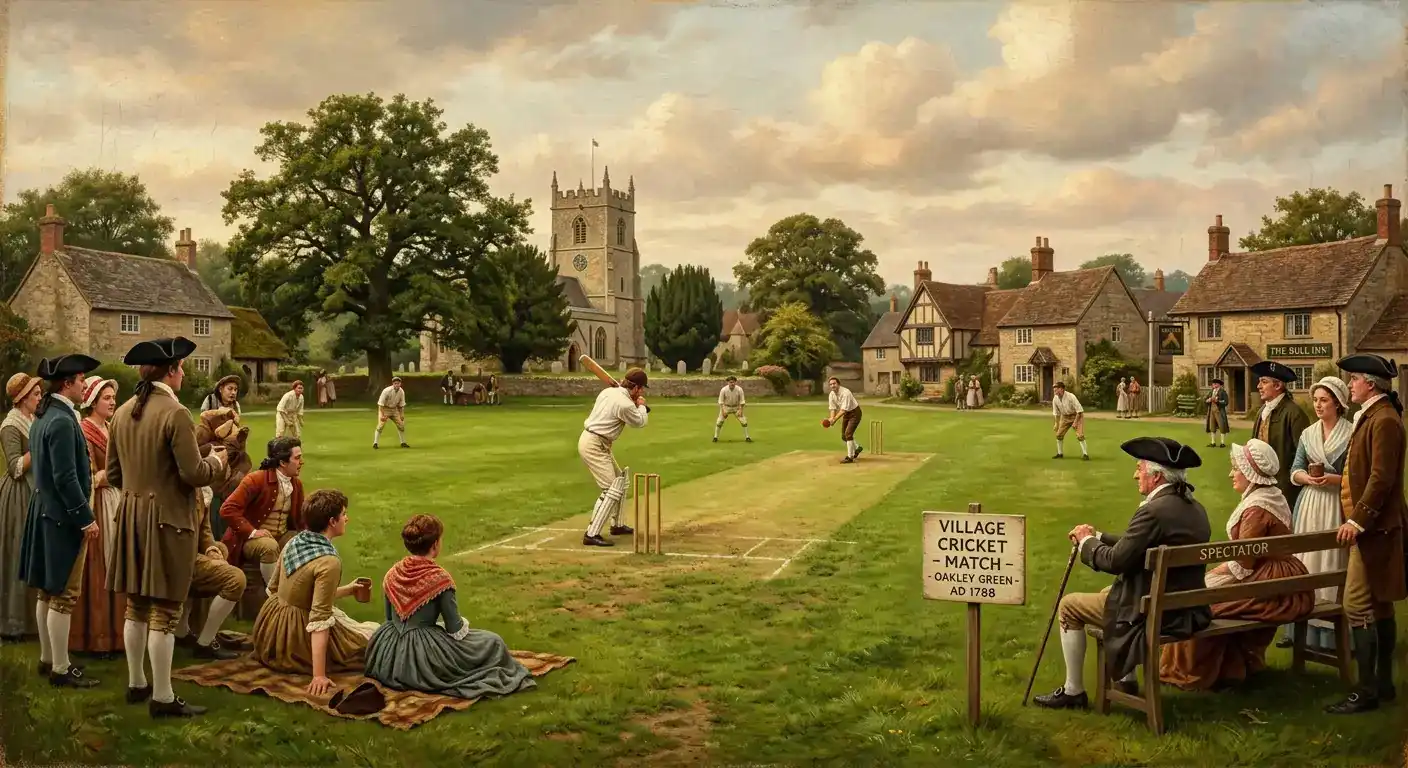
Cricket and betting grew up together in England, and anyone who imagines gambling is some modern corruption grafted onto a pure old game has the history precisely backwards. Wagering was not a later addition to cricket; it was woven into the sport’s origins, one of the very reasons the early game was organised, watched and funded at all. Understanding that long, entangled history is genuinely useful for a modern punter, because it puts today’s tightly regulated, licensed market in perspective as the latest chapter of a story that runs back centuries, and it explains why the relationship between cricket and gambling has always been both productive and fraught.
This is the story in brief: the early wagers that helped make the game, the scandals that forced reform, the modern regulatory era, and where things stand now. It is a tale of a sport repeatedly negotiating its relationship with the money bet on it, swinging between embrace and alarm, and arriving at last at the structured, regulated settlement we have today. The contrast between the wild early wagering and the current framework, anchored by the Gambling Act 2005, measures just how far the relationship has travelled.
Early Wagers and the Game
Picture the cricket of the eighteenth century not as a genteel pastime but as a betting spectacle, because that is far closer to the truth, and it reframes everything about the sport’s origins.
In the early development of organised cricket in England, betting was central rather than incidental. Wealthy patrons staked large sums on matches, and these wagers were often the financial engine that organised the games in the first place, funding teams, drawing crowds and giving the contests their stakes in every sense. The aristocracy bet heavily on cricket, and the matches between great patrons’ teams were as much betting events as sporting ones. Far from being frowned upon, gambling was the respectable, even fashionable, accompaniment to the game, and the sums involved could be enormous by the standards of the day.

This origin matters because it establishes that cricket and betting are not natural enemies, despite the later scandals, but long-standing companions whose relationship has simply needed managing. The early game’s reliance on wagering shaped its development, encouraging the formalisation of rules, since clear rules are essential when money rides on the outcome, and the establishment of the structures that would become the organised sport. The very codification of cricket’s laws owed something to the need to settle bets fairly. So when people speak of betting as a threat to cricket’s purity, the historian in me wants to point out that there was never a betting-free purity to begin with. The sport was, from early on, a vehicle for wagering, and that inheritance runs right through to the present.
Scandals and Reform
Where there is heavy betting there is the temptation to cheat, and cricket’s history is punctuated by the scandals that this temptation produced, each one forcing the sport to reconsider its relationship with the money riding on it.
The early era of unregulated, heavy wagering carried exactly the corruption you would expect when large sums depended on outcomes that players could influence. Matches were fixed, players were bribed, and the integrity of contests was repeatedly called into question, to the point where the very betting that had funded and popularised the game began to threaten its credibility. This was the first great tension in cricket’s relationship with gambling: the money that built the game could also corrupt it, and the sport had to find ways to protect itself from the worst effects of the wagering it depended on.

The response, over time, was a gradual movement towards respectability and away from the open, heavy gambling culture of the early game. As cricket developed into an organised sport with governing bodies and a sense of its own dignity, the brazen wagering of its origins came to be seen as disreputable, and the sport distanced itself from the gambling that had once been central to it. This was not a clean break but a long, uneven shift in attitude, and the tension never fully resolved, resurfacing in corruption scandals across the generations and into the modern era. The lesson cricket kept relearning is that betting and the sport are bound together in a way that demands active management, because left unmanaged, the relationship corrodes the very integrity that makes the contests worth betting on.
The Modern Regulatory Era
The decisive turn towards the system we have today came not from cricket alone but from the state taking responsibility for gambling as a whole, and the landmark is a single piece of legislation.
The Gambling Act 2005 reshaped the entire landscape, establishing the framework of licensing and regulation under which all gambling in Britain now operates, cricket betting included. This was the move from a patchwork of older arrangements to a coherent national system, with a single regulator overseeing licensed operators bound by binding conditions. It is the foundation of everything I write about: the requirement that operators be licensed, that they protect customer funds, that they offer responsible-gambling tools and submit to oversight. The wild, unregulated wagering of cricket’s origins gave way, over centuries, to a modern market where betting is legal, structured and policed.

The regulatory era has continued to evolve and tighten since. Recent years have brought the statutory levy on operators to fund harm prevention, stake limits on the most intense products, and codes of conduct governing gambling’s relationship with sport. The trajectory is clear and consistent: from no rules at all, through a long period of disapproval and patchy control, to an increasingly sophisticated framework that permits betting while actively managing its harms. This is regulation treating gambling as a legitimate but risky activity to be governed rather than either banned or left alone, and it represents a genuine maturing of the relationship that began with aristocrats staking fortunes on village greens. The modern punter bets inside a structure that the early gamblers could never have imagined, and that structure is the accumulated answer to centuries of learning how cricket and betting can coexist.

Where Things Stand Now
The present settlement is the most structured and protective in the long history of cricket betting, and seeing it against that history reveals just how far the relationship has come and where it is still heading.
Today’s cricket bettor operates in a market of remarkable scale and sophistication, with the UK gambling industry generating a gross gambling yield of around 4.5 billion pounds in a single recent quarter, a figure that would have been unimaginable to the patrons who once staked their wagers on a few great matches a season. The betting is legal, the operators are licensed and monitored, customer funds are protected, and an apparatus of responsible-gambling tools, harm-prevention funding and integrity monitoring surrounds the whole activity. The chaotic, corruption-prone wagering of the early game has become a regulated industry with safeguards at every level, and that transformation is the central story of cricket betting’s history.

Yet the fundamental tension that ran through the whole history persists, merely managed rather than resolved. Cricket still depends commercially on gambling money, betting still carries the risk of corruption and harm, and the sport and its regulators still work continually to keep the relationship productive without letting it turn destructive. The recent codes governing gambling sponsorship, the tightening rules, the funding of treatment, are all the latest moves in a negotiation that began three centuries ago. For the modern punter, knowing this history is more than curiosity. It is a reminder that the protections you bet inside were hard-won over generations of the sport learning, repeatedly and sometimes painfully, that betting and cricket must be actively governed to coexist. The licensed, regulated market is not the natural state of cricket betting but its hard-earned achievement, and betting within it is the inheritance of that long, tangled history. For the practical detail of how that protective framework works today, my guide to safe and legal cricket betting in the UK sets it all out.
When did cricket betting become regulated in the UK?
The decisive modern framework came with the Gambling Act 2005, which established the national system of licensing and regulation under which all gambling in Britain, including cricket betting, now operates. It replaced older, patchier arrangements with a coherent structure overseen by a single regulator, and it has been tightened further in recent years through measures like the statutory levy and stake limits.
What sparked early cricket betting reforms?
Corruption. The early era of heavy, unregulated wagering on cricket brought exactly the match-fixing and bribery that large stakes invite, and the threat this posed to the integrity and credibility of the contests pushed the sport, over time, towards respectability and away from its open gambling culture. The tension between betting’s funding of the game and its capacity to corrupt it has recurred ever since.
Published by the Best Cricket Betting Sites team.