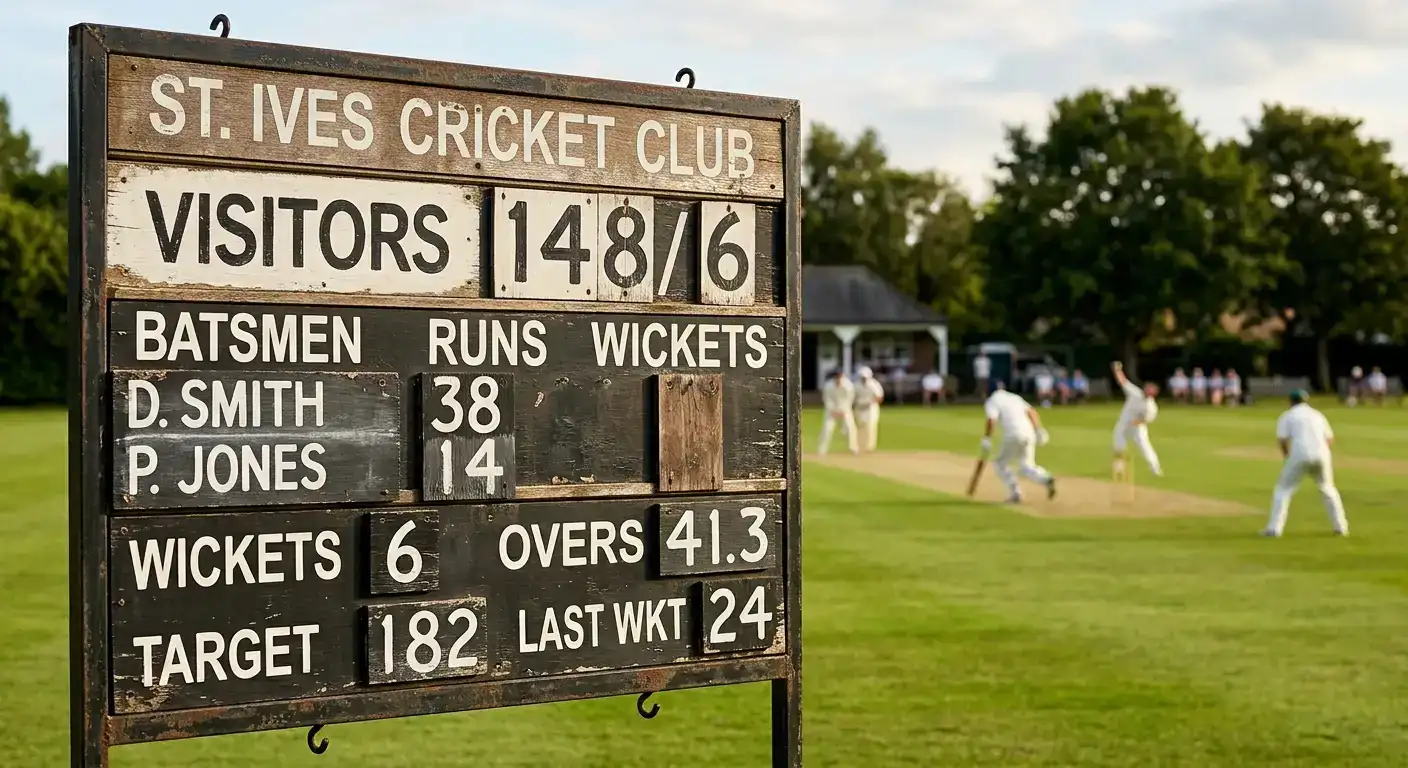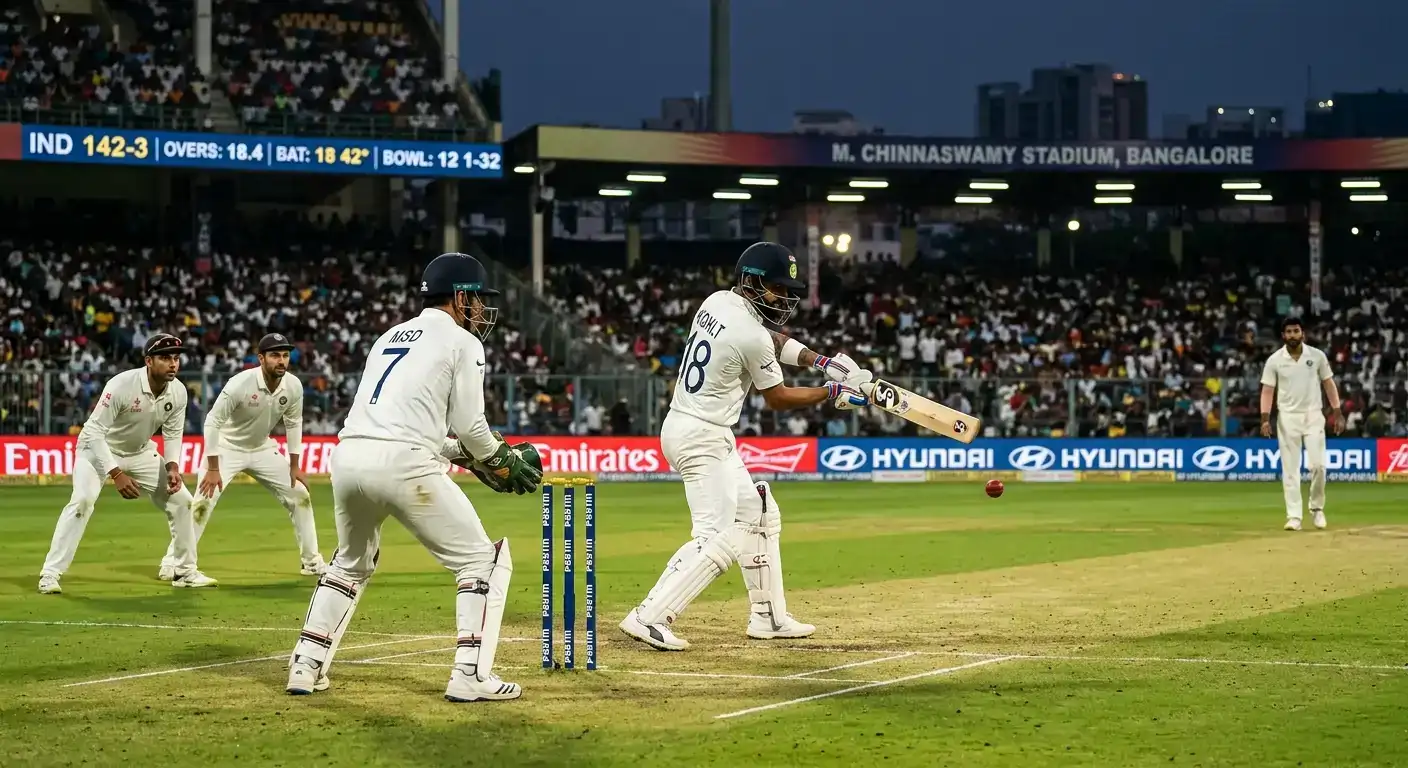
Total Runs & Team Total Betting: Reading Conditions for Over/Under
 Available in US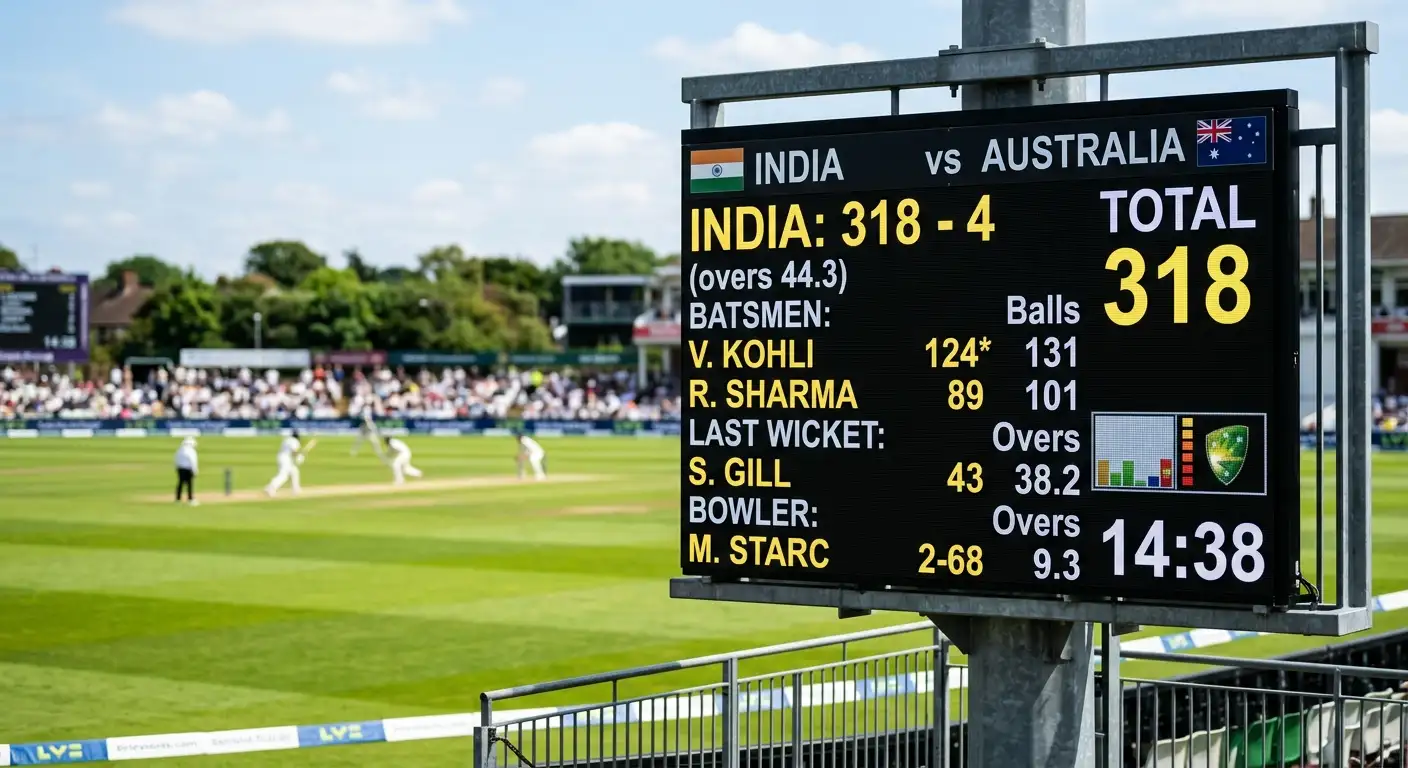
Totals betting is where I started taking cricket betting seriously, because it is the market that rewards actually watching the conditions rather than guessing the result. Anyone can have an opinion on who will win. Far fewer people can look at a pitch report, a weather forecast and a team sheet and form a confident view on whether a side will make more or less than a given number of runs. That gap between the casual and the informed is exactly where value lives, and totals markets are where I have found it most reliably over the years.
The global appetite for cricket betting tells you why these markets are so well developed: the cricket betting market was valued at around 14.45 billion dollars in 2024 and is forecast to reach over 36 billion by 2033, growing at nearly 11 percent a year, and it sits inside a wider online sports-betting market worth around 88 billion dollars in 2025 and projected to more than double by 2033. Runs markets are a staple of that growth. This piece is about reading the inputs correctly. I will cover how totals and team total markets work, the pitch and weather factors that genuinely move them, how the formats change everything, and the mistakes I see punters make over and over. Conditions are the whole game here, and conditions are learnable.
How Totals Markets Work
The structure is the simplest in cricket, which is part of why I rate it so highly: the bookmaker sets a number and you bet whether the actual runs will be above or below it.
A match total is the bookmaker’s line for total runs in a defined scope, and a team total narrows it to one side’s runs. You will see a line such as 165.5 for a T20 team total, and you bet over or under. The half-run, the point five, exists to eliminate the possibility of an exact tie, so there is always a clear winner and loser. Some sites also offer three-way totals on whole numbers, where an exact landing on the line is a separate outcome, but the over-under with a half-run is the cleaner and more common version.

What makes totals so attractive to a thinking punter is that you are betting on a process, not a binary event. A team does not need to win for your over to land; it needs to score runs, which is a more predictable thing to assess than a result that can swing on a single catch. You are essentially pricing the run-scoring environment, and the run-scoring environment is shaped by physical factors you can actually observe and reason about before a ball is bowled. That is a rare thing in betting, and it is why I treat totals as the most honest test of cricket knowledge there is.
Pitch and Weather Factors That Actually Move Totals
The single biggest edge in totals betting is reading the pitch, and the single biggest mistake is ignoring it in favour of team reputation. Let me give you the factors I weigh, in roughly the order I weigh them.
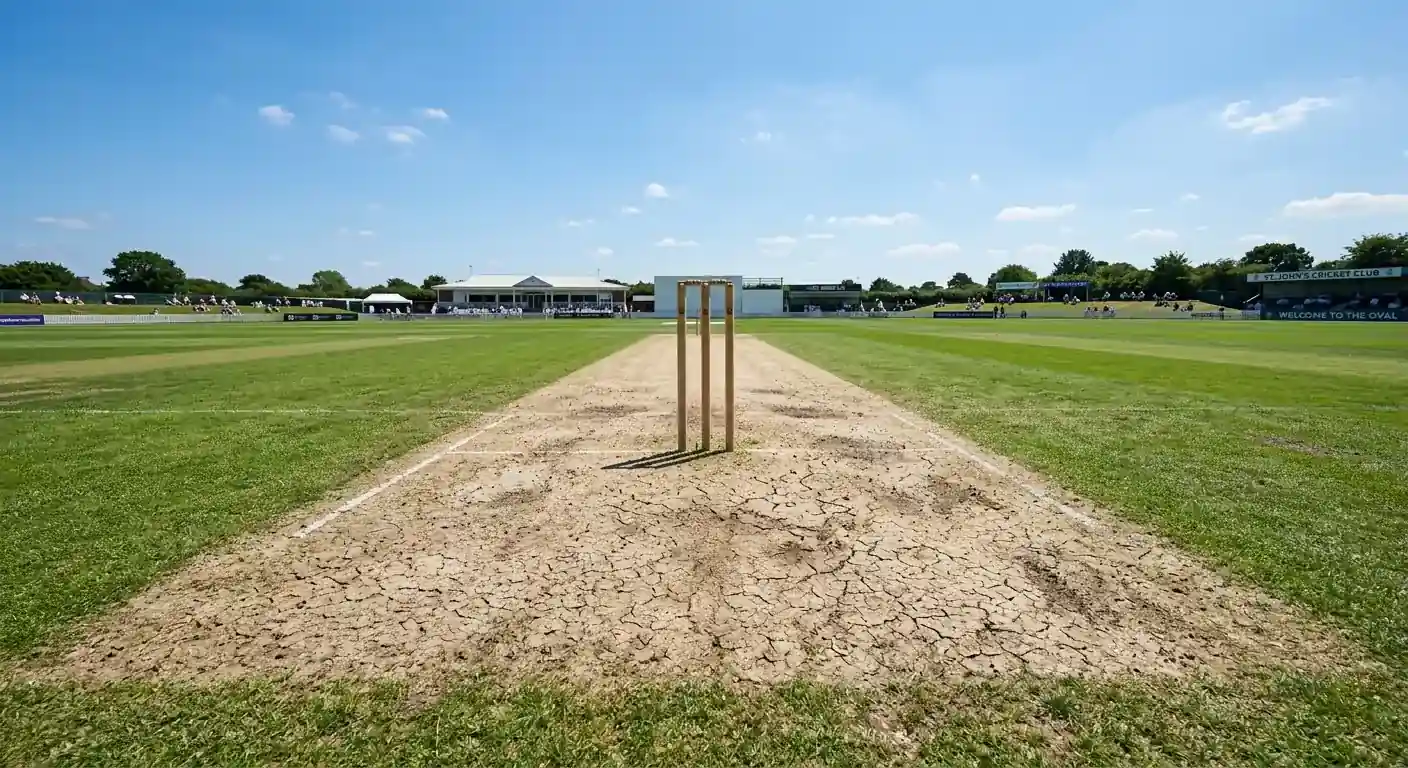
The pitch comes first, always. A flat, hard, true surface with a fast outfield is a run-scoring paradise, and I lean towards the over before I have looked at anything else. A green, seaming pitch or a dry, turning one suppresses scoring and pushes me towards the under, because wickets fall and run rates drop. Reading a pitch report, and where possible watching the toss-time pitch assessment, is the most valuable pre-match research I do. The groundsman’s preparation, the time of year and the venue’s history all feed into a reliable expectation, and venues have strong scoring identities that persist across seasons.
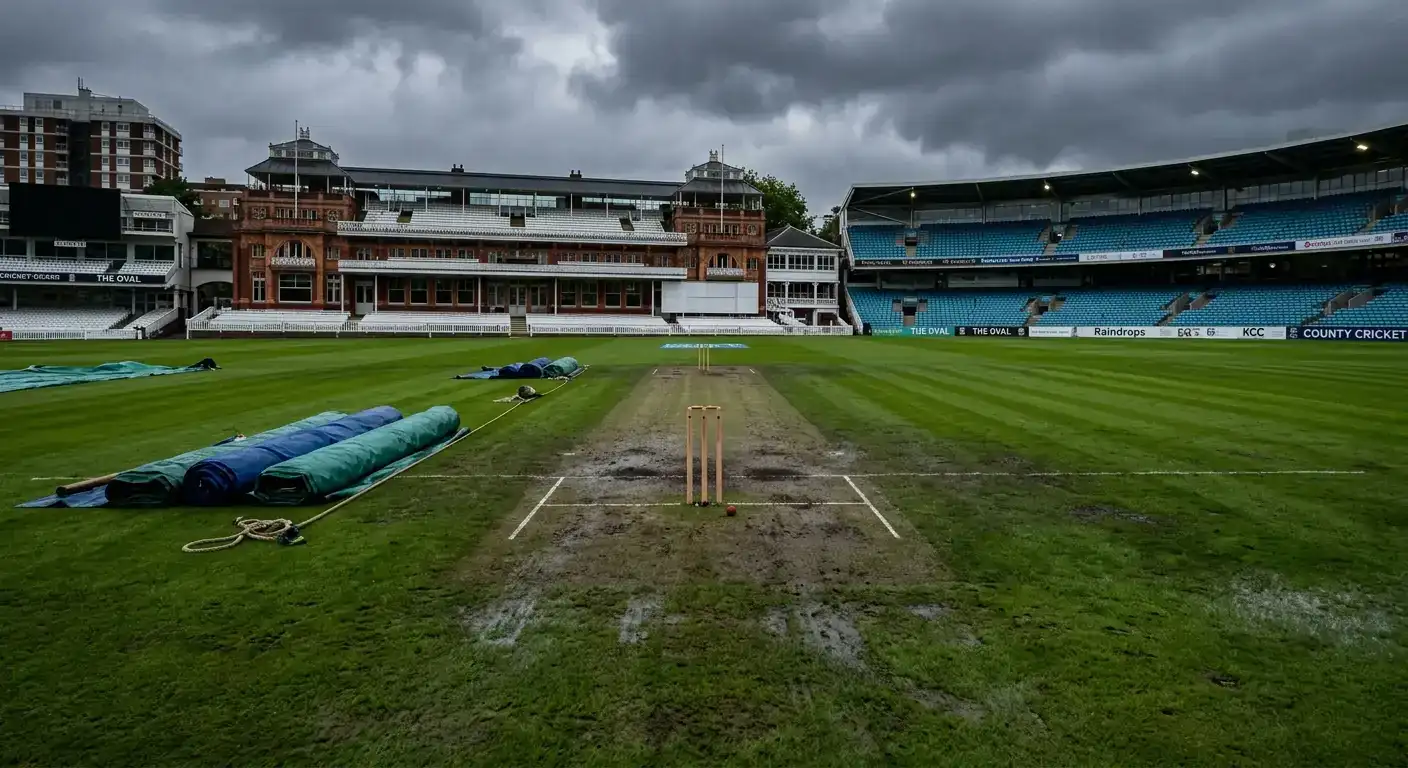
Weather is the second great mover, and it cuts two ways. Overhead cloud assists swing bowling and can suppress early scoring, nudging me towards the under in the powerplay phases. Rain is more dramatic: a shortened match through interruptions changes the overs available and therefore the totals entirely, and bets are settled according to specific rules about reduced-overs scenarios that you must understand before betting a match under threatening skies. The boundary size and outfield speed round out my checklist, because a small ground with a lightning outfield turns mishits into sixes and inflates totals in a way a large, slow ground never will. None of this requires inside information. It requires watching, reading and thinking, which most punters will not bother to do, and their laziness is your edge.
How the Formats Change the Maths
A run is a run, but a run total means something completely different across the three formats, and treating them the same is how casual punters get totals badly wrong.
In T20, the totals are about explosive scoring in a compressed window, and the variance is enormous. A team can be cruising at 80 for none and collapse to 140 all out, or stumble early and be launched to 200 by a single destructive innings. The lines are high and the swings are wild, which makes T20 totals exciting but treacherous, and I size my stakes smaller to respect that volatility. The full picture of how format reshapes every market is something I dig into separately on T20 versus Test betting differences, and totals are where the format gap shows up most starkly.

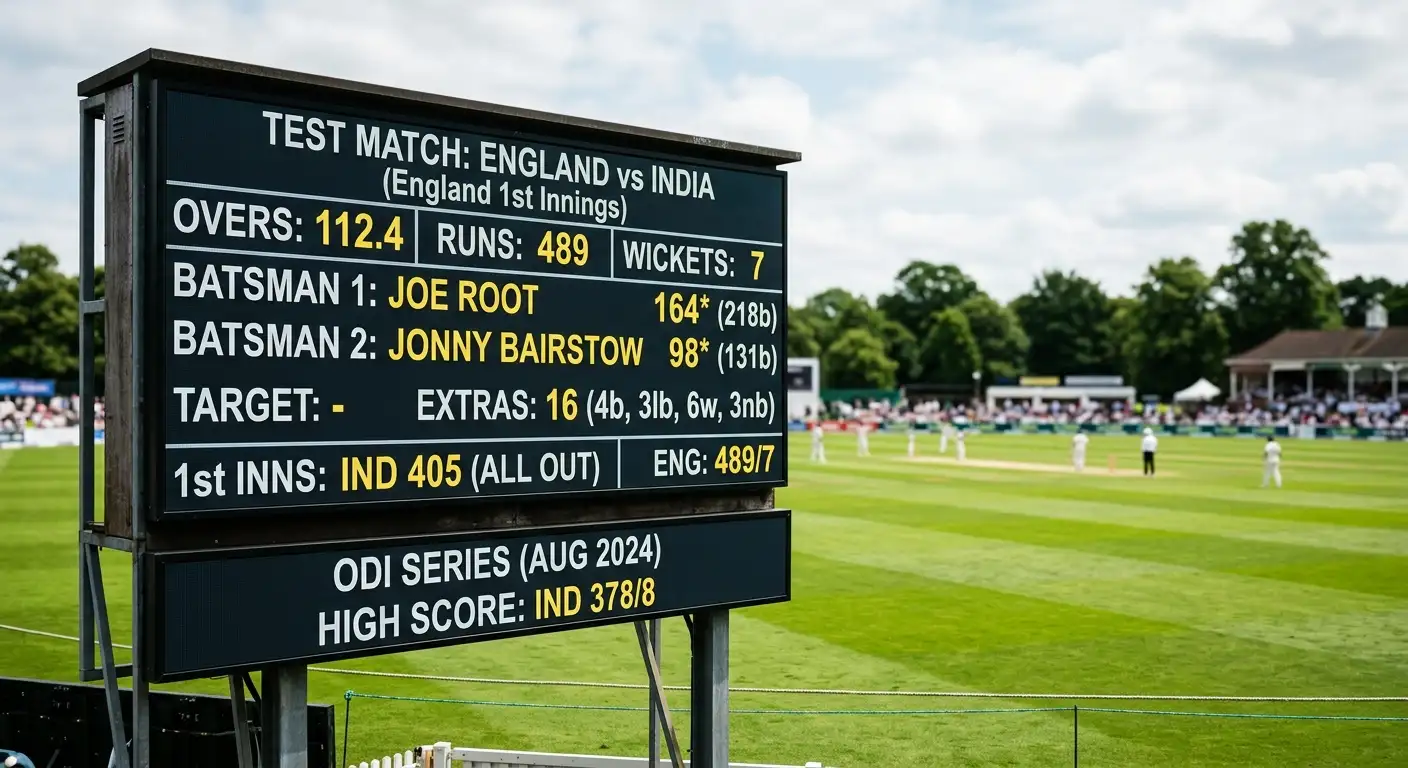
Test cricket is the opposite world. Totals there are about attrition across long innings, and conditions evolve over days as the pitch deteriorates and the ball ages. A first-innings total on a fresh pitch is a different proposition from a fourth-innings chase on a crumbling one, and the patient reading of how a surface will play over time is everything. One-day internationals sit between the two, with enough overs for ebb and flow but a hard limit that forces a scoring shape. The lesson is that you cannot port a totals instinct from one format to another. You have to recalibrate completely, because the run-scoring environment is defined by the format before any pitch or weather even enters the equation.
The Mistakes That Quietly Cost You
I have made every error on this list myself, which is the only reason I can name them so confidently.
The first and most expensive is backing totals on reputation rather than conditions. A famously aggressive side on a sluggish, two-paced pitch will not score the way their reputation suggests, and the punter who backs the over because the team is exciting is betting the badge, not the surface. The second is ignoring the rain rules. Betting an over and then watching the match shortened to a fraction of its overs, with the total settled under rules you never read, is a self-inflicted loss that strict pre-match homework would have prevented. Always know how reduced-overs scenarios settle before you bet a match under doubtful skies.
The third mistake is treating the bookmaker’s line as a prediction rather than a balancing point. The line is set to attract roughly equal money on both sides, not to forecast the score, which means a line can be soft if public sentiment is lopsided, and that is precisely the inefficiency a conditions-led punter exploits. The final error is overconfidence after one good read. Conditions assessment improves your edge; it does not make you clairvoyant, and cricket totals retain real variance no matter how well you read the pitch. Stake within a budget, treat each total as a probability rather than a certainty, and let the edge compound slowly. The punters who last in totals betting are the ones who respect the variance even when their reading is sharp.
How do rain-affected matches settle total runs bets?
Reduced-overs matches settle according to the specific rules published by each operator, which usually adjust or void totals markets depending on how many overs are bowled and whether a result is reached. Always read those rules before betting a totals market on a match under threatening skies, because a shortened game can change the available overs and the settlement entirely.
Why are T20 totals priced differently from Tests?
The formats produce completely different run-scoring environments. T20 totals reflect explosive scoring in a compressed window with huge variance, while Test totals reflect attrition across long innings on a pitch that evolves over days. A totals instinct from one format does not transfer to another, so each must be assessed on its own terms.
Prepared by the Best Cricket Betting Sites editorial staff.