
Who Bets in the UK: Participation, Demographics & the GSGB Survey
 Available in US
The picture most people carry of who gambles in Britain is wrong, and the data is far more interesting than the stereotype. Ask someone to imagine a typical gambler and they will conjure a young man hunched over a phone. The official participation figures tell a more complicated and more human story, one in which gambling is woven through ordinary British life across ages and genders in ways that defy the lazy assumptions. I find this data clarifying, because understanding who actually bets, and how, strips away the moralising and lets you see the activity as the broad, mainstream pastime it largely is, alongside the genuine risks that sit within it.
The most authoritative source on this is the Gambling Survey for Great Britain, a large official survey that has become the regulator’s primary measure of how the country gambles. I want to walk you through what it shows: the headline participation rates, the split between online and offline, the patterns by gender and age, and the specific risk that concentrates among younger adults. These are not numbers to memorise. They are a portrait of the population you are part of when you place a bet, and the portrait holds a few genuine surprises.
Headline Participation
Start with the single figure that reframes everything: in a recent survey covering late 2025 into early 2026, around 47 percent of respondents had taken part in some form of gambling in the previous four weeks. Nearly half the adult population. Gambling is not a fringe activity in Britain. It is mainstream, ordinary and widespread, which is the first thing the data forces you to accept.
That headline figure needs immediate context, though, because it includes lottery play, which is by far the most common and most casual form of gambling. Strip out the people who only play the lottery, and participation in all other forms of gambling falls to around 26 percent. That distinction matters enormously. The 47 percent figure captures the nation’s relationship with the lottery as much as anything; the 26 percent figure is closer to what most people mean when they think of gambling as an active pastime, betting on sport, playing casino games, and so on.

I dwell on this gap because it cuts against both the alarmist and the dismissive views. The alarmist sees half the country gambling and panics; the dismissive sees the lottery-heavy figure and shrugs. The truth sits in between: a quarter of adults actively gamble beyond the lottery, which is a large, normal slice of the population, neither a moral crisis nor nothing. That sober middle reading is the right one, and it is the foundation for thinking clearly about everything else in the data.
Online Versus Offline
The channel shift that has reshaped the whole industry shows up clearly in who bets where, and the pattern is not quite what you might expect.
Online participation stood at around 37 percent against 27 percent for offline gambling, confirming that the internet is now the dominant channel. But here the lottery effect strikes again and produces a genuinely counterintuitive result. Strip out the people who only play the lottery, and online participation falls sharply to around 15 percent, while offline participation falls more gently to around 17 percent. In other words, once you remove lottery-only players, slightly more people gamble in person than online. The headline online dominance is substantially a story about people buying lottery tickets and playing online lottery, not about a nation of app-based sports bettors.
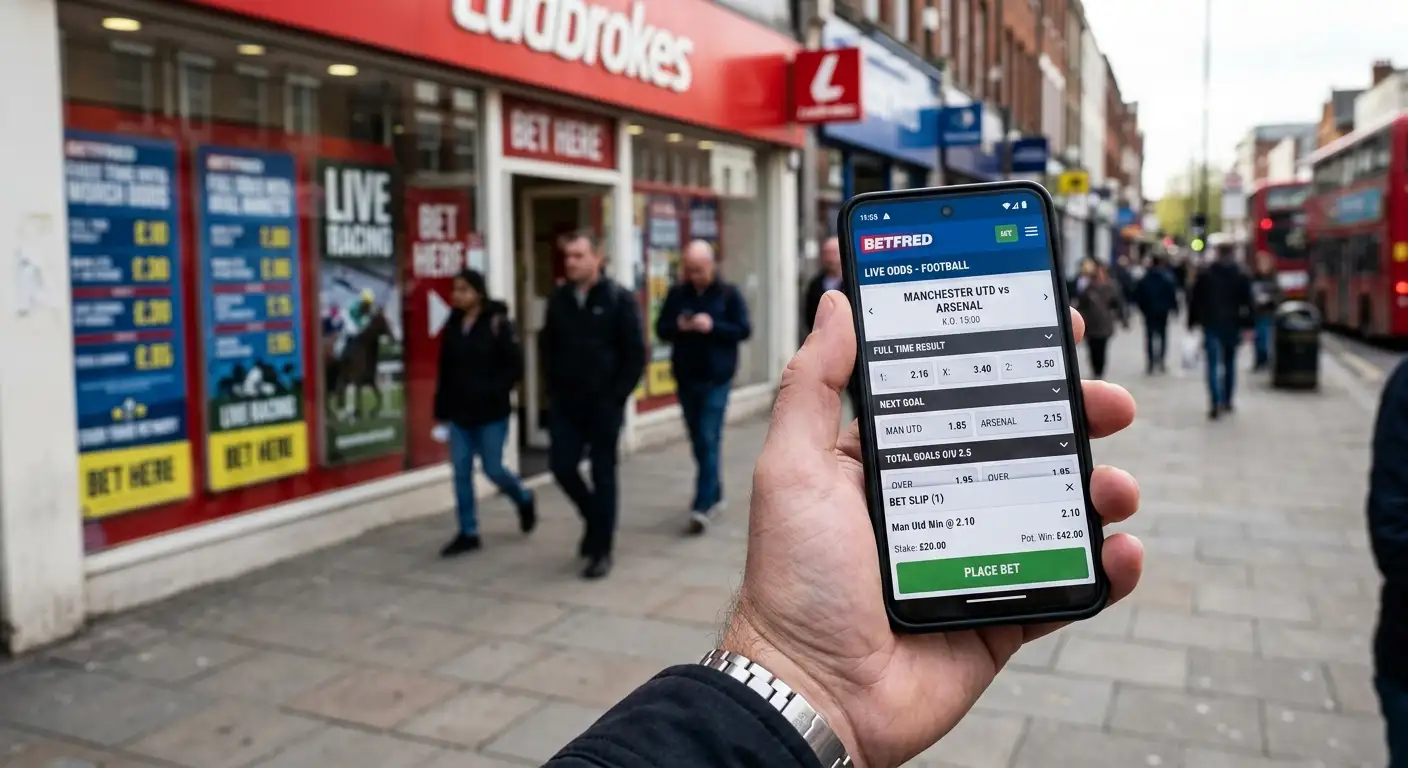
This nuance is the kind of thing that gets lost in breathless commentary about everyone betting on their phones. The reality is more textured. Online gambling beyond the lottery is real and significant, and it is the fastest-growing channel, but it is not yet the majority of active gambling participation when lottery play is set aside. For a cricket bettor this is a useful corrective: you are part of a genuine and growing online cohort, but you are not part of some overwhelming national tide. The activity is more measured and more spread across channels than the loudest narratives suggest.
Gender and Age
Now to the patterns that most directly contradict the stereotype, because the demographics of British gambling are full of surprises.
Online participation is higher among men than women, at around 41 percent against 34 percent, a gap but not a chasm, and certainly not the male monopoly the stereotype implies. Where the gender divide becomes stark is in betting specifically: around 13 percent of men bet against just 4 percent of women, the largest gender gap in any gambling activity. So the stereotype of betting as a male pursuit holds up far better than the stereotype of gambling overall as male, which is a distinction worth holding onto. Women gamble nearly as much as men; they just gamble on different things.
The age data is where the real surprise lives. Gambling participation is highest not among the young but in the 55 to 64 age group, at around 56 percent. Read that again, because it inverts the assumption almost everyone holds. The most active gambling demographic in Britain is people in their late fifties and early sixties, not students and young men. This older cohort, with more disposable income, established habits and a long familiarity with the football pools, the bookmaker and the lottery, gambles more than any other age group. The image of gambling as a young person’s vice is, on the participation numbers, simply false.

The Specific Risk Among Younger Bettors
And yet the picture has a sharp edge that the participation figures alone conceal, because participation and harm are not the same thing.
While older adults participate most, the risk of gambling harm concentrates among the young. Around 1 percent of people aged 16 to 24 are classified as problem gamblers, against roughly 0.4 percent across the general population. So younger adults gamble less in aggregate but are more than twice as likely, proportionally, to develop a serious problem when they do. This is the crucial reconciliation of the data: high participation among the old, high risk among the young. Both things are true at once, and conflating them is how people misread the whole subject.

The reasons younger people face elevated risk are well understood and worth taking seriously, and I explore them in depth in my piece on younger bettors and gambling risk. The short version is that the developing brain, the appeal of fast and immersive online products, and heavy exposure to gambling marketing combine to make young adults disproportionately vulnerable. The participation data tells you gambling is a mainstream activity dominated, in sheer numbers, by older Britons. The harm data tells you the sharpest risk sits with the young. Holding both truths together is the only honest way to read who gambles in Britain, and it is the foundation for the targeted protections the regulated market has put in place to shield the most vulnerable.
What share of UK adults gamble online?
Around 37 percent of respondents reported online gambling in a recent survey, but this is heavily influenced by lottery play. Once lottery-only players are excluded, online participation falls to around 15 percent, slightly below the equivalent offline figure of around 17 percent. The headline online dominance is largely a story about lottery play rather than app-based betting.
Which age group gambles most?
The 55 to 64 age group, with participation of around 56 percent, the highest of any age band. This inverts the common assumption that gambling is a young person’s activity. However, the risk of gambling harm runs the other way, concentrating among 16 to 24 year-olds, who are more than twice as likely as the general population to be classified as problem gamblers.
Created by the ”Best Cricket Betting Sites” editorial team.