Toss Winner & Novelty Cricket Markets: Fun Bets, Real Odds
 Available in US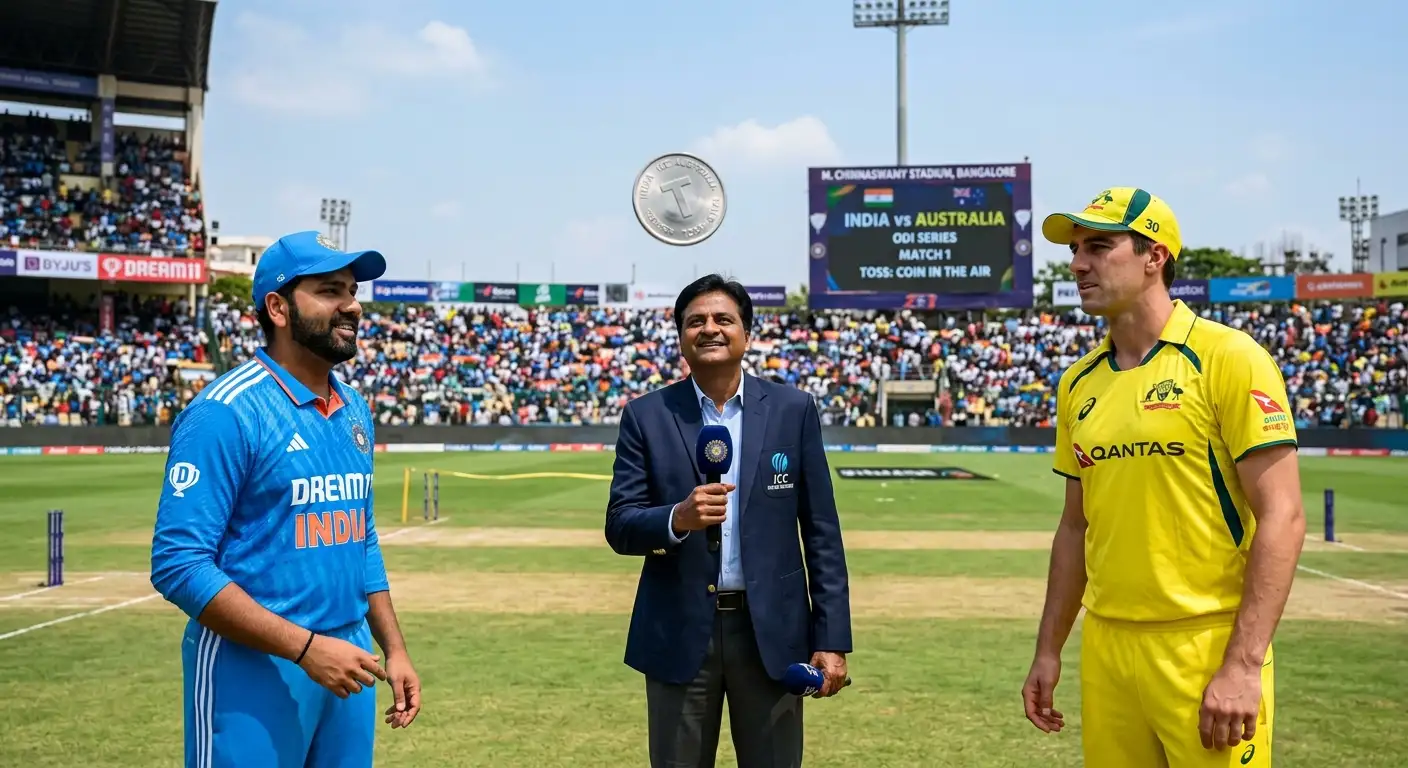
The toss is the purest bet in cricket, and I mean that almost literally: it is a coin flip, and a coin flip is the one event in the entire sport where no amount of knowledge gives you an edge. I have a soft spot for the toss market and the novelty bets that cluster around it, because they are genuinely fun, they add a little spark to the build-up, and they ask nothing of your analytical brain. But I would be doing you a disservice if I let the fun obscure the maths, because these are also markets where the bookmaker’s margin can be quietly brutal, and a fun bet at a bad price is still a bad price.
So this is an honest look at the markets people bet for entertainment rather than edge. I will explain how the toss market works, why the toss matters more to the match than to your wallet, the range of novelty specials on offer, and a clear-eyed reality check on what these bets actually cost you. You can absolutely enjoy them. You should just enjoy them knowing exactly what you are paying for the pleasure, the same way you would knowingly pay a premium for a drink at a nice bar rather than pretending it was a bargain.
The Toss Market Explained
A friend once asked me, with total sincerity, what my system was for predicting the toss. I had to break it to him gently that there is no system, because there is nothing to predict.
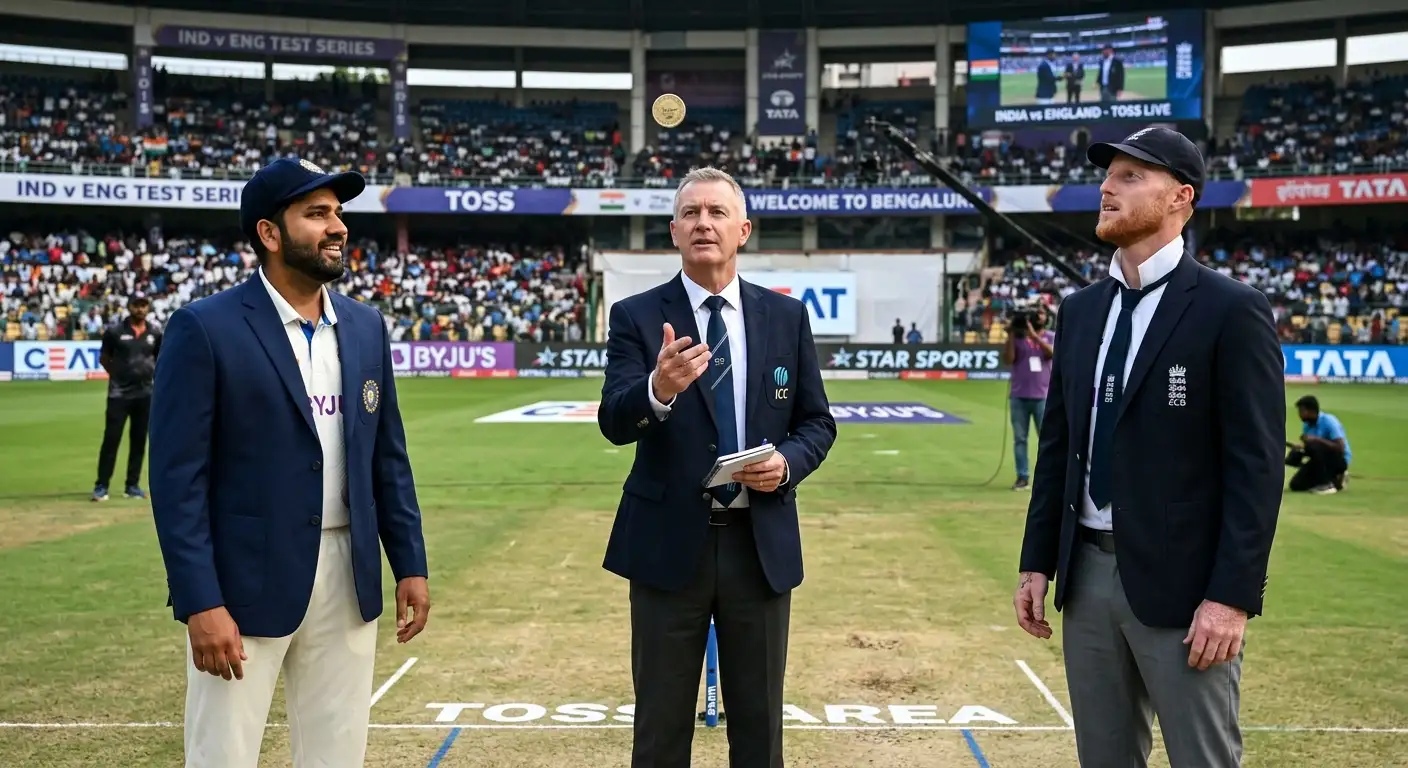
The toss winner market is exactly what it sounds like: you bet on which captain will call correctly and win the right to choose whether to bat or bowl first. It is decided by a coin, so each team has a genuine 50 percent chance, and no study of form, conditions or captaincy will shift those odds by a fraction. This is the only market in cricket where the underlying probability is fixed, known and immune to information. In every other market, knowledge can give you an edge. Here, knowledge is worthless, and that is the defining feature you must hold onto.
Because the true probability is 50 percent each way, a perfectly fair price would be 2.00 on each side in decimal terms. You will almost never see that. Instead you will see something like 1.90 on each, and the gap between the fair price and the offered price is pure margin, the overround that sits inside every market a bookmaker offers. On a coin flip, every penny of that margin is a dead cost, because there is no skill to offset it. You are paying the bookmaker for the privilege of betting on something you cannot possibly handicap. That does not make it a bad bit of fun. It makes it an expensive one, and you should know the difference.
Why the Toss Matters to the Match
Here is the paradox that makes the toss interesting even though betting it is pointless: winning the toss can genuinely shape who wins the match, even though it cannot shape your odds of predicting the toss itself.
On certain pitches, the advantage of batting or bowling first is substantial. A dry, deteriorating subcontinental surface can make batting first and then bowling on a worn pitch a decisive edge, while a green, overcast English morning can make bowling first, when the ball moves around, hugely valuable. Captains agonise over the toss precisely because, in the right conditions, it can be worth a meaningful share of the result. So the toss is not trivial to the cricket. It is often pivotal.
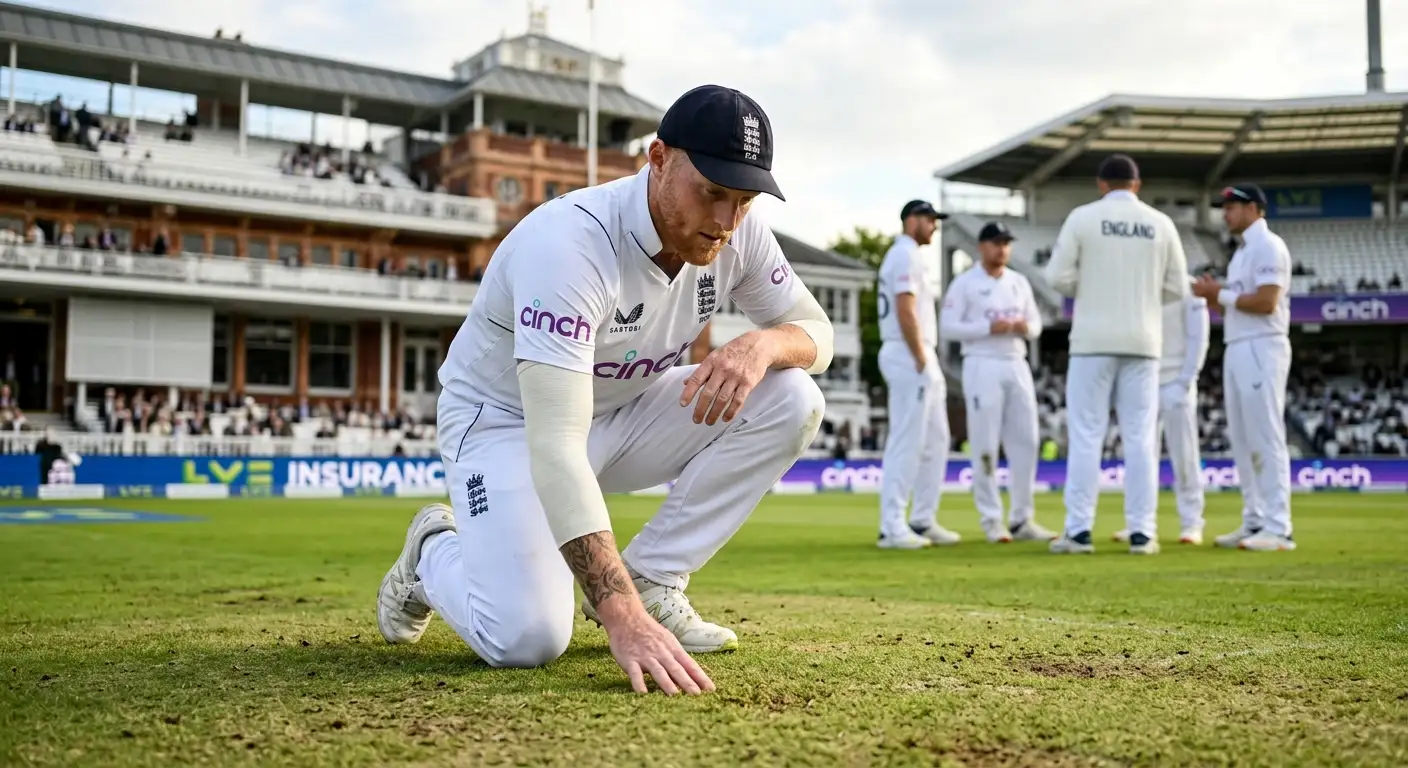
The smart application of this, and it is the one genuinely useful insight in the whole topic, is not to bet the toss but to factor the toss into your other bets. If you know a venue heavily favours the side batting first, then the toss result, once it happens, should immediately inform your match-winner or totals thinking. Some punters wait for the toss before placing their main bets for exactly this reason, treating the coin flip as a free piece of information rather than a betting opportunity. That is the move I respect: let the toss inform your edge elsewhere, rather than trying to find edge in the toss, where none exists.
Other Novelty Specials
Beyond the toss sits a whole carnival of novelty markets, and they range from the mildly skill-based to the frankly random.
You will find bets on the method of the first dismissal, the runs off the first ball, whether there will be a century or a five-wicket haul in the match, the man of the match, and during big tournaments a parade of specials on everything from the number of sixes to which team’s mascot does something amusing. Some of these, like man of the match or whether a five-for occurs, do reward genuine cricket knowledge and overlap with serious player markets. Others, like the first-ball outcome, are essentially lotteries dressed up as cricket. If you want a market where conditions and knowledge genuinely pay, you are far better served by something like total runs and team total betting, where reading the pitch is a real edge.
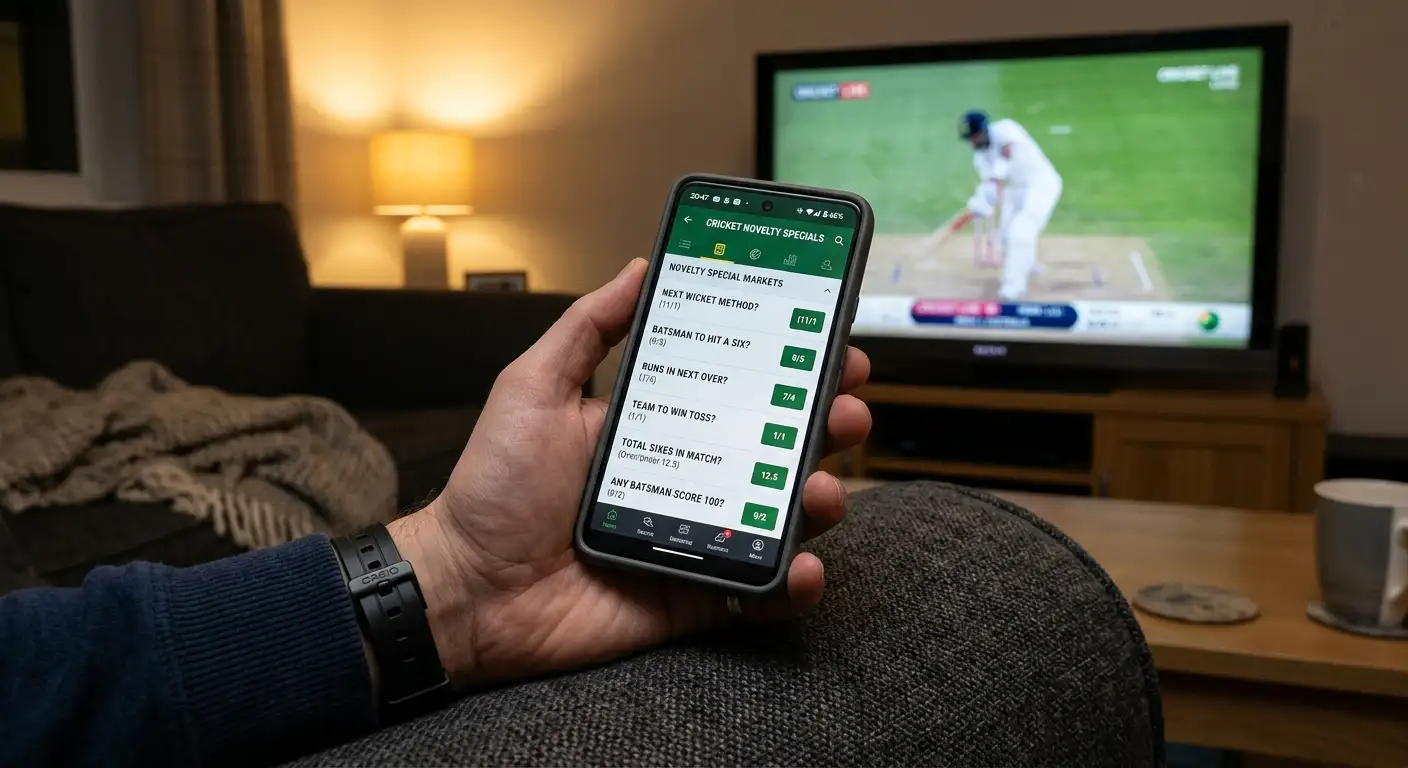
The distinction I draw is between novelty markets where I can form a reasoned view and pure-chance markets where I cannot. A man-of-the-match bet on a player I expect to dominate is a legitimate, if speculative, wager. A bet on the runs off a single random delivery is a coin flip with a worse margin than the actual coin flip. The marketing presents them all as the same harmless fun, but they are not, and with player-specific and live markets now making up over a third of all cricket betting, you have a deep pool of skill-based alternatives if you actually want an edge rather than a flutter.

A Reality Check on What These Bets Cost
Let me be the friend who tells you the uncomfortable truth at the bar. Novelty markets, as a category, carry some of the fattest margins in all of cricket betting, and the toss is the worst offender relative to its fairness.
The reason is straightforward. Bookmakers widen their margins where punters bet on emotion and fun rather than calculation, because punters chasing entertainment do not shop around for the best price the way value-hunters do. Where a flagship Test or one-day match-winner market at a sharp operator might carry an overround of around four to five percent, against an industry norm closer to five to eight, the margin on a coin-flip toss market or an obscure novelty special can run well above either figure, and on a market with no skill component that margin is a pure, unavoidable cost. You cannot out-think it because there is nothing to out-think. Over time, a steady diet of novelty bets at inflated margins is one of the quieter ways a betting bank erodes.

None of this is an argument for grim, joyless betting. There is a real public conversation about how this industry should conduct itself, and a recent parliamentary debate framed the statutory levy as investing 100 million pounds of public money to tackle gambling harm, with key decisions on prevention and treatment placed in the hands of statutory bodies. That investment exists partly because rapid, emotionally driven betting carries real risk, and novelty markets are emotionally driven betting by design. My position is simple and unbothered: bet the toss and the silly specials if they make the match more fun, but ring-fence them as entertainment, keep the stakes tiny, and never confuse the buzz of a novelty punt with the slow, disciplined edge you build in markets where knowledge actually counts. Pay for the fun knowingly, and it stays fun.
Is the toss really a 50/50 bet?
Yes. The toss is decided by a coin, so each team has a genuine 50 percent chance of winning it, and no form, conditions or captaincy knowledge can shift those odds. It is the only market in cricket where the true probability is fixed and immune to information, which means you cannot gain any edge by studying it.
Do novelty markets carry higher margins?
Generally yes. Bookmakers widen their margins on toss and novelty markets because punters bet them for fun rather than value and rarely shop around for the best price. On a no-skill market like the toss, that inflated margin is a pure, unavoidable cost, so keep stakes small and treat such bets strictly as entertainment.
Published by the Best Cricket Betting Sites team.