Cricket Betting Payment Methods: Deposits, Withdrawals & Timings
 Available in US
Nobody gets into cricket betting because they are excited about payment methods, and yet I would argue that how you move money in and out of an account is one of the most underrated parts of the whole experience. Get it right and your money flows smoothly, your winnings arrive when expected, and you have built-in friction in exactly the right places. Get it wrong and you face delayed withdrawals, unexpected limits, and the particular irritation of a winning bet whose returns are stuck in processing limbo. This is the plumbing of betting, and plumbing only gets your attention when it goes wrong.
So let me save you the trouble of learning this the slow way. I will cover the deposit methods you will actually encounter at UK-licensed cricket sites, how long withdrawals genuinely take by method, the credit card rule that trips up newcomers, and the fees and limits worth knowing before they surprise you. The regulated UK sector is large and well established, with more than 8,100 licensed gambling premises operating alongside the online brands and a total industry gross gambling yield of around 4.5 billion pounds in the final quarter of 2025 alone, which means the payment rails are mature, standardised and reliable. None of this is exotic. It is just worth understanding before your money is involved.
The Deposit Methods You Will Actually Use
When I funded my first account years ago I agonised over which method to choose, and the truth I wish someone had told me is that for most people the choice is simpler than the long list of logos suggests.
The debit card is the default and the workhorse. It deposits instantly, it is accepted everywhere, and it ties your betting directly to your bank account, which is actually a feature rather than a flaw because it keeps your gambling money visible in your normal banking. For the majority of UK punters, a debit card is all they ever need, and I would happily recommend starting there and looking no further unless you have a specific reason to.

E-wallets are the main alternative worth knowing. These are services that sit between your bank and the bookmaker, holding a balance you top up and then spend across sites. Their appeal is twofold: they add a layer of separation so the bookmaker never sees your bank details directly, and they often speed up withdrawals considerably, which I will come to. Bank transfers exist but are slower and clunkier for regular use. Prepaid options let you deposit cash you have loaded onto a voucher, which some people use deliberately to cap their spending at the amount on the voucher, a crude but effective form of self-control. Whatever you choose, the deposit itself is near-instant for cards and e-wallets, so the meaningful differences show up on the way out, not the way in.
Withdrawal Times Compared
This is the section people actually care about, because waiting for your own money is uniquely annoying, so let me be specific rather than vague.
Withdrawals follow a deliberate principle: money out returns to wherever money came in. This is an anti-fraud and anti-money-laundering measure baked into the regulated sector, and it means you cannot deposit by one method and withdraw to another. Plan accordingly. Once you understand that, the timings break down by method. E-wallets are typically the fastest, often clearing within hours or up to a day once the bookmaker has processed the request. Debit card withdrawals usually take one to three working days, depending on your bank’s own processing. Bank transfers tend to be the slowest, sometimes stretching to several working days.

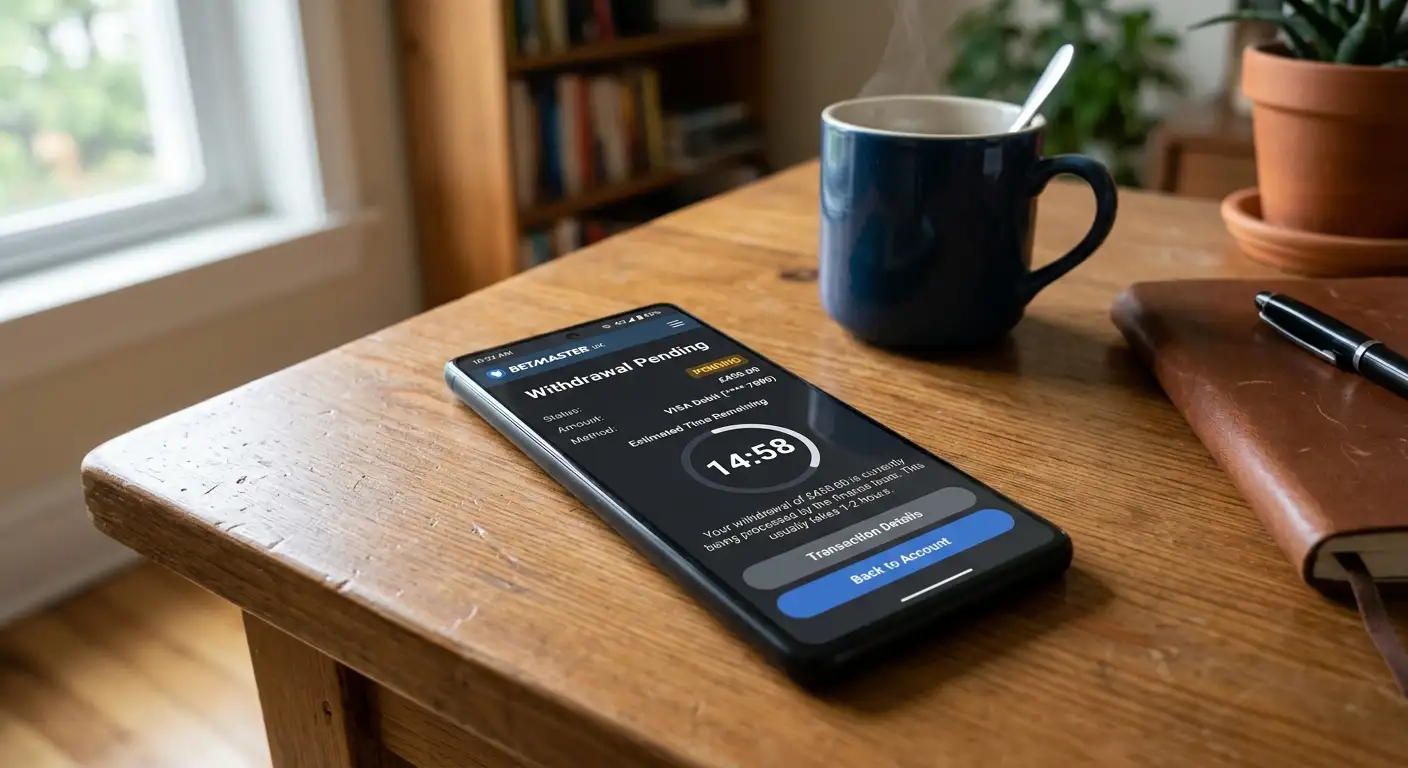
The crucial thing to understand is that there are two separate clocks running. The first is the bookmaker’s processing time, the period during which the operator reviews and approves your withdrawal before sending it. The second is the payment provider’s transit time, how long your bank or e-wallet takes once the money is on its way. A site advertising fast withdrawals usually means a short processing time, but the transit time is outside its control. The single biggest cause of a delayed withdrawal is not the method at all. It is incomplete identity verification, which is exactly why getting verified at sign-up, before you ever need to cash out, is the smartest administrative move you can make. A verified account withdraws on schedule. An unverified one waits.
The Credit Card Ban
Here is a rule that genuinely surprises newcomers, and I think it is one of the better pieces of regulation in the whole sector, so I am glad to explain it rather than just flag it.
You cannot fund gambling with a credit card in the UK. Full stop. This was prohibited by regulation, and it applies across all licensed operators and all forms of gambling, cricket betting included. If you try to deposit with a credit card, it will simply be declined. The reasoning is sound and worth internalising: betting with borrowed money is one of the clearest routes from recreational gambling into serious financial harm, because it lets you stake money you do not have and chase losses with debt. Removing the credit card removes that mechanism entirely.

The practical upshot is that you fund your account with money you actually possess, through a debit card, an e-wallet topped up from your own funds, or a similar method. I want to be clear that this is a protection, not an inconvenience to be worked around, and any site or service offering to help you circumvent it is a site or service to avoid completely. The ban is a quiet, structural safeguard that stops a category of harm before it can start, and it is exactly the kind of thing that distinguishes the regulated UK market from the unlicensed alternatives. Bet with your own money or do not bet. That principle protects you whether you feel like you need protecting or not.
Fees, Limits and the Fine Print
The last piece is the unglamorous detail that determines whether your experience is smooth or quietly aggravating over a season.
At reputable UK-licensed sites, deposits and withdrawals are generally free, with the operator absorbing the transaction costs. Be wary of any site that charges you to access your own winnings, because at the licensed end of the market that is unusual and a sign to look elsewhere. What you will encounter are minimum and maximum limits. Minimum deposits are usually small, often around a few pounds, and minimum withdrawals are similar, so you will rarely bump into them. Maximum limits matter more for higher-staking punters and vary by method and operator, sometimes capping how much you can withdraw in a single transaction or a given period.
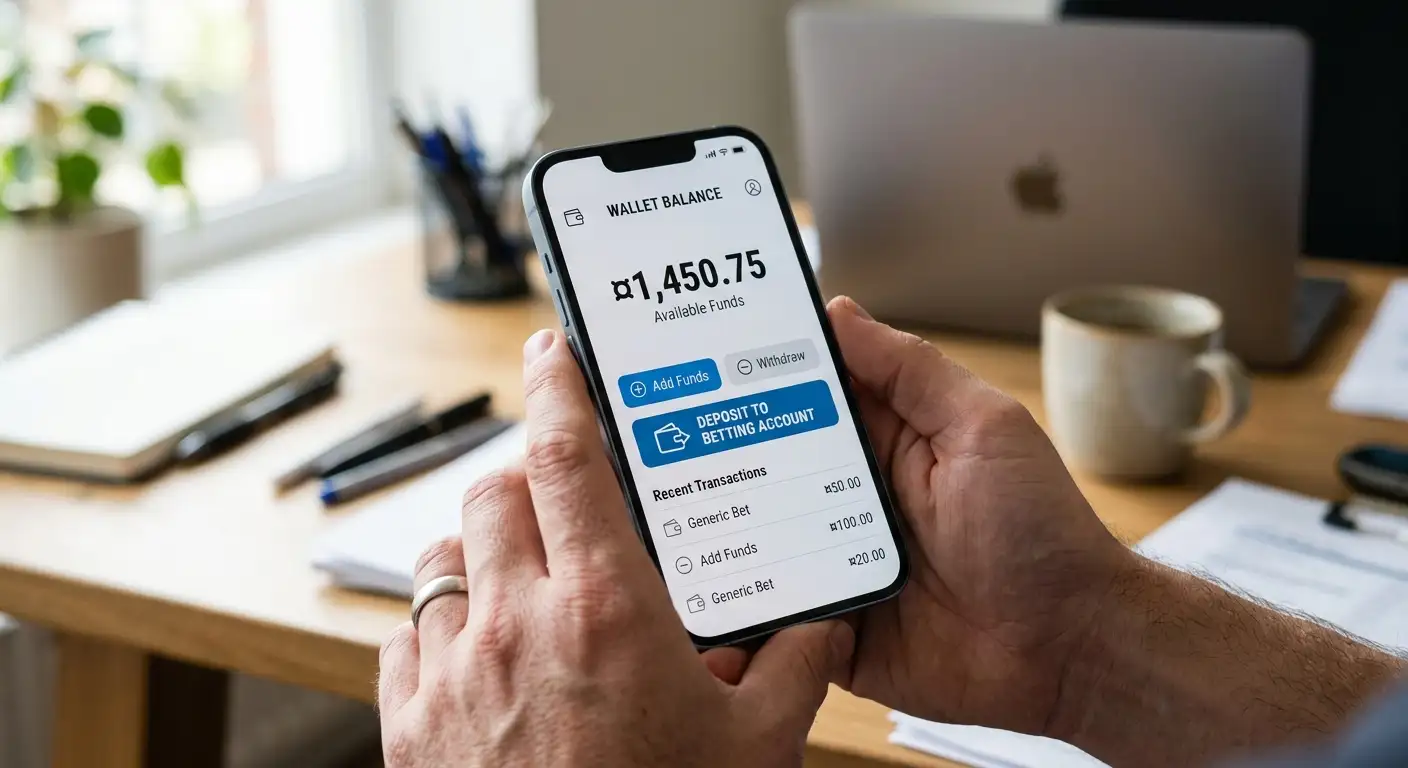
The detail I urge you to actually use is the deposit limit you can set yourself, which is different from the operator’s transaction limits. Every licensed site lets you cap how much you can deposit in a day, week or month, and this is the single most effective budgeting tool available because it works before temptation rather than after regret. I set one on every account I open, and I treat it as the financial equivalent of not keeping a bottle of spirits on the desk while I work. Read the fine print on timings and limits once, set your own deposit limit immediately, and the entire payments side of betting becomes the invisible plumbing it should be, doing its job without ever demanding your attention. If you are still finding your feet with the basics, my step-by-step guide to betting on cricket online walks through the whole account setup in order.
Can I use a credit card to bet on cricket in the UK?
No. Funding gambling with a credit card is prohibited across all UK-licensed operators, so a credit card deposit will simply be declined. The ban exists to stop people betting with borrowed money, which is a clear route into financial harm. Fund your account with a debit card, an e-wallet or another method backed by your own funds.
Why do withdrawals take longer than deposits?
Deposits are near-instant because the operator wants you betting quickly, while withdrawals run on two clocks: the bookmaker’s processing and approval time, and your bank or e-wallet’s transit time. The most common cause of a slow withdrawal is incomplete identity verification, so completing that at sign-up keeps your cash-outs on schedule.
Written by the editors at Best Cricket Betting Sites.