Cricket Match-Fixing & Integrity: How the Sport Is Policed
 Available in US
Cricket has a darker relationship with betting than any other major sport, and pretending otherwise would be dishonest. The sport’s structure, long matches divided into countless small, discrete events, makes it uniquely manipulable, and its global reach into markets with little regulation has made it a target for organised crime on a scale that genuinely shocks people when they first encounter the figures. I am not telling you this to frighten you off cricket betting. I am telling you because understanding how the sport is policed, and where the integrity risks actually lie, makes you a better and safer punter who knows which markets and matches to treat with caution.
This is a serious subject and I will treat it seriously. I will lay out the genuine scale of the problem, how matches are now monitored, the work of cricket’s anti-corruption apparatus, and what all of it means for you when you place a bet. The reassuring headline, which I will substantiate, is that the overwhelming majority of cricket is clean and closely watched, and betting at licensed UK operators places you inside the integrity system rather than outside it. But the reassurance only means something if you understand the threat it is set against.
The Scale of the Problem
The number that stops people cold, and stopped me when I first encountered it, is the size of the illegal betting market that sits behind cricket corruption. As much as 1.7 trillion dollars is wagered annually on illegal markets controlled by organised crime, according to estimates of the global picture. That is not a typo. It is a figure so large it reframes the entire subject, because it tells you that the money trying to corrupt sport is not opportunistic small-time betting but a vast criminal economy with the resources to target players, officials and matches systematically.
Cricket is especially exposed to this illegal economy for structural reasons. The sport’s enormous popularity across South Asia, where much of the illegal market operates, combined with the granular nature of cricket betting, creates ideal conditions for corruption. A fixer does not need to rig the result of a match. They need only arrange a single small event, a particular delivery, a passage of low scoring, a specific dismissal, that maps onto a bet placed in the illegal market. This is spot-fixing rather than match-fixing in the literal sense, and it is far harder to detect and far easier to arrange than throwing an entire game. The granularity that makes cricket betting interesting to a thoughtful punter is the same granularity that makes it attractive to a criminal.

How Monitoring Works
The good news, and it is substantial, is that the response to this threat has become sophisticated, data-driven and genuinely effective, to a degree that would surprise most casual fans.
Modern integrity monitoring works by watching betting markets themselves for the fingerprints of corruption. Specialist firms track odds movements across the world’s betting markets in real time, and when prices move in ways that cannot be explained by the events on the field, that anomaly flags a potential problem for investigation. Unusual money flowing onto an obscure outcome, prices shifting before anything has happened on the pitch, patterns that defy the natural logic of a match, all of these leave traces in the data, and the monitoring systems are built to catch them. The fixer’s need to place bets to profit is, ironically, the very thing that exposes them.
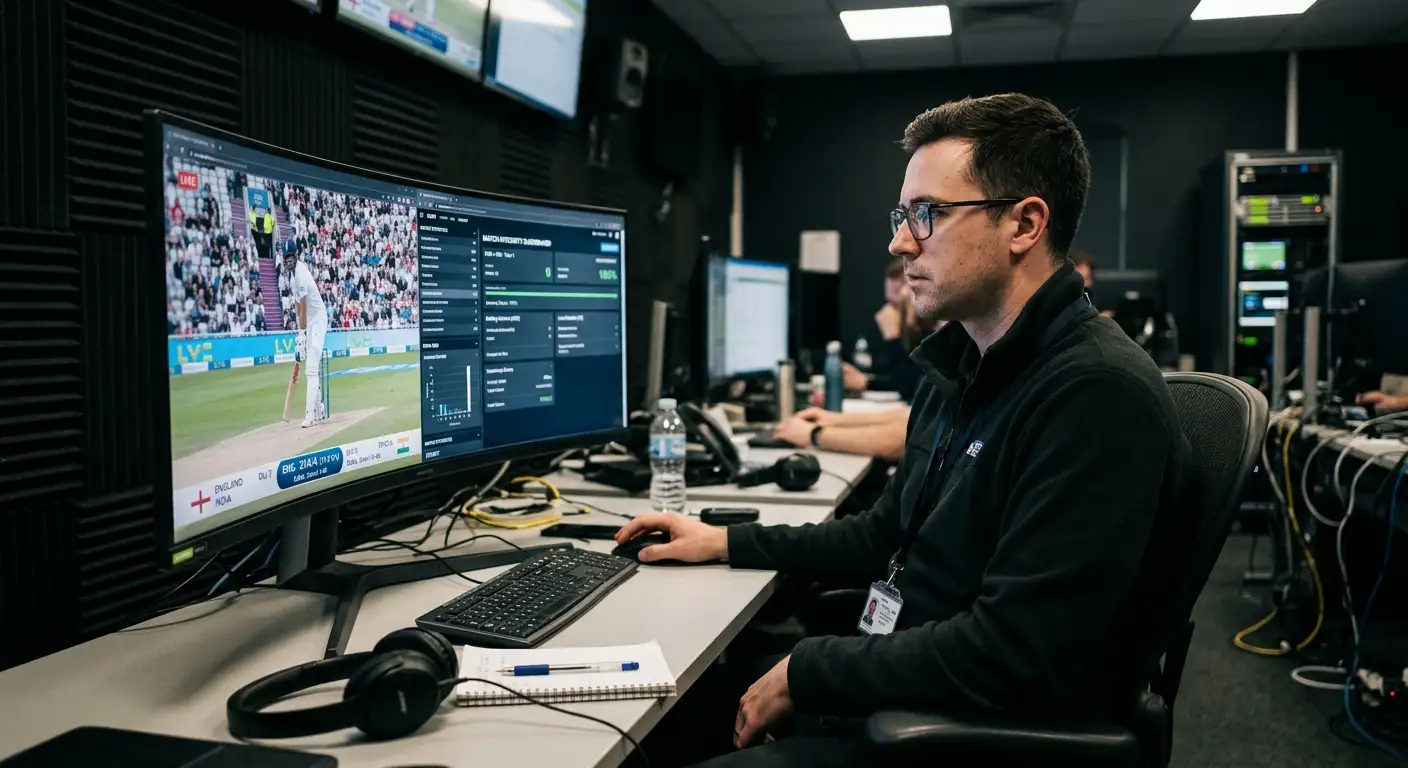
The scale and success of this monitoring is encouraging. One major integrity firm identified around 1,116 suspicious matches across 12 sports in 94 countries in a recent year, a figure down about 1 percent on the year before, which suggests the deterrent is holding rather than the problem exploding. More striking still, over 99.5 percent of all sporting events monitored worldwide in that year showed no signs of suspicious activity at all. Let that figure anchor your perspective. The corruption is real and serious, but it is a tiny fraction of an enormous, closely watched whole. The vast majority of the cricket you might bet on is clean, monitored, and protected by systems specifically designed to catch the rare exception.
The Anti-Corruption Apparatus
Behind the data monitoring sits a human enforcement structure, and its candour about the threat is part of what makes it credible.
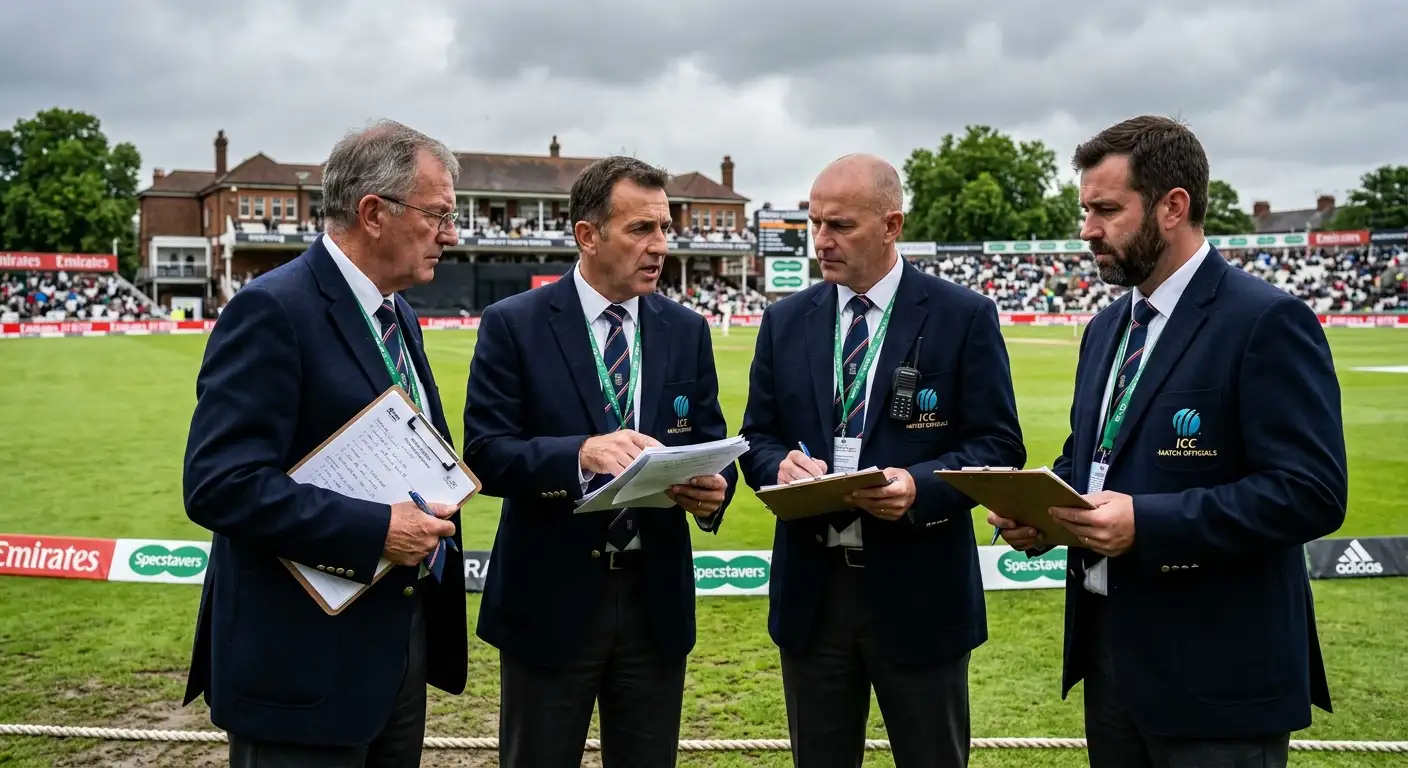
Cricket’s international anti-corruption work focuses on education, prevention and investigation, with players warned about approaches, taught to report them, and protected within a system that takes the threat seriously. The people running this work do not sugarcoat the danger. A senior anti-corruption official described how the corruptors target the most influential figures in a team, saying bluntly that corruptors love captains and that five captains had been approached in a single twelve-month period. That kind of frank admission tells you the threat is live and the people fighting it are under no illusions, which is exactly what you want from those entrusted with protecting the game.
The focus of the corruptors has also been shifting, which the integrity bodies track closely. As the highest-profile international cricket has become harder to corrupt, attention has moved towards associate-level matches, women’s cricket and lower-profile fixtures where scrutiny is historically thinner. The reclassification of all international T20 matches as full internationals expanded the number of fixtures carrying official status, and with it the range of matches that fixers might target where integrity coverage was once lighter. The apparatus is adapting to follow the threat into these newer arenas, but the lesson for a punter is clear: the highest-profile cricket is the most heavily protected, and the obscure fixture is where caution is most warranted.
What It Means for Punters
So what should you actually do with all this? The practical guidance falls out of the data cleanly, and following it keeps you on the right side of the integrity divide.
First and most important, bet only at UK Gambling Commission licensed operators. Licensed operators are integrated with the integrity monitoring system, share data with the bodies that police the sport, and operate inside the regulated framework that the whole apparatus depends on. Betting at an unlicensed site does not just expose you to losing your money to a dishonest operator; it places your money in the very illegal markets that fund the corruption in the first place. The single act of choosing a licensed site aligns you with the integrity system rather than against it.
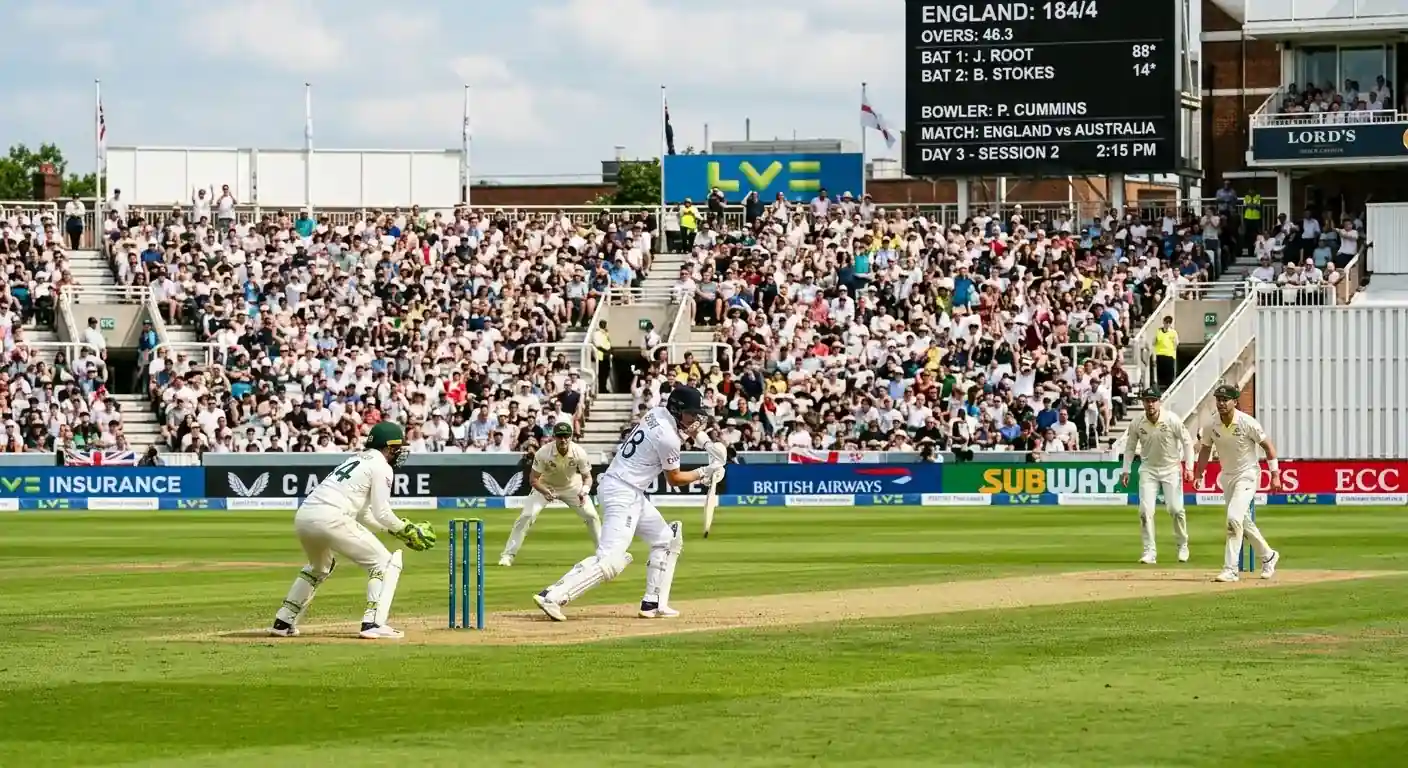
Second, calibrate your caution to the profile of the match and the market. The high-profile international fixtures are the most monitored and the cleanest, and they are where I bet with the most confidence. The granular markets carry more inherent manipulation risk because they are the fixer’s preferred instrument, so I stake them more modestly and confine them to well-monitored matches. This matters most in the fast-moving live arena, which is why my guide to in-play and live cricket betting dwells on the integrity dimension as much as the mechanics. And I treat obscure, low-profile fixtures, where scrutiny is thinnest, with real wariness regardless of the tempting price. The corruption in cricket is genuine, but it is concentrated, watched and shrinking as a share of the whole. Bet inside the licensed, monitored system, weight your caution towards the markets and matches that carry the most risk, and you can enjoy cricket betting with clear eyes rather than naive ones. That clarity is the best protection you have.
How many suspicious matches are detected each year?
One major integrity firm identified around 1,116 suspicious matches across 12 sports in 94 countries in a recent year, a figure that was down roughly 1 percent on the previous year. To keep that in perspective, over 99.5 percent of all sporting events monitored worldwide showed no signs of suspicious activity, so corruption remains a tiny fraction of a closely watched whole.
How does the ICC catch fixers?
Cricket’s integrity bodies combine real-time monitoring of betting markets, which flags odds movements that cannot be explained by events on the field, with human investigation, player education and reporting obligations. The need for fixers to place bets to profit is what exposes them, since unusual money flows and price patterns leave detectable traces in the data.
Written by the editors at Best Cricket Betting Sites.