NHS Gambling Treatment Clinics: A Growing Support Network
 Available in US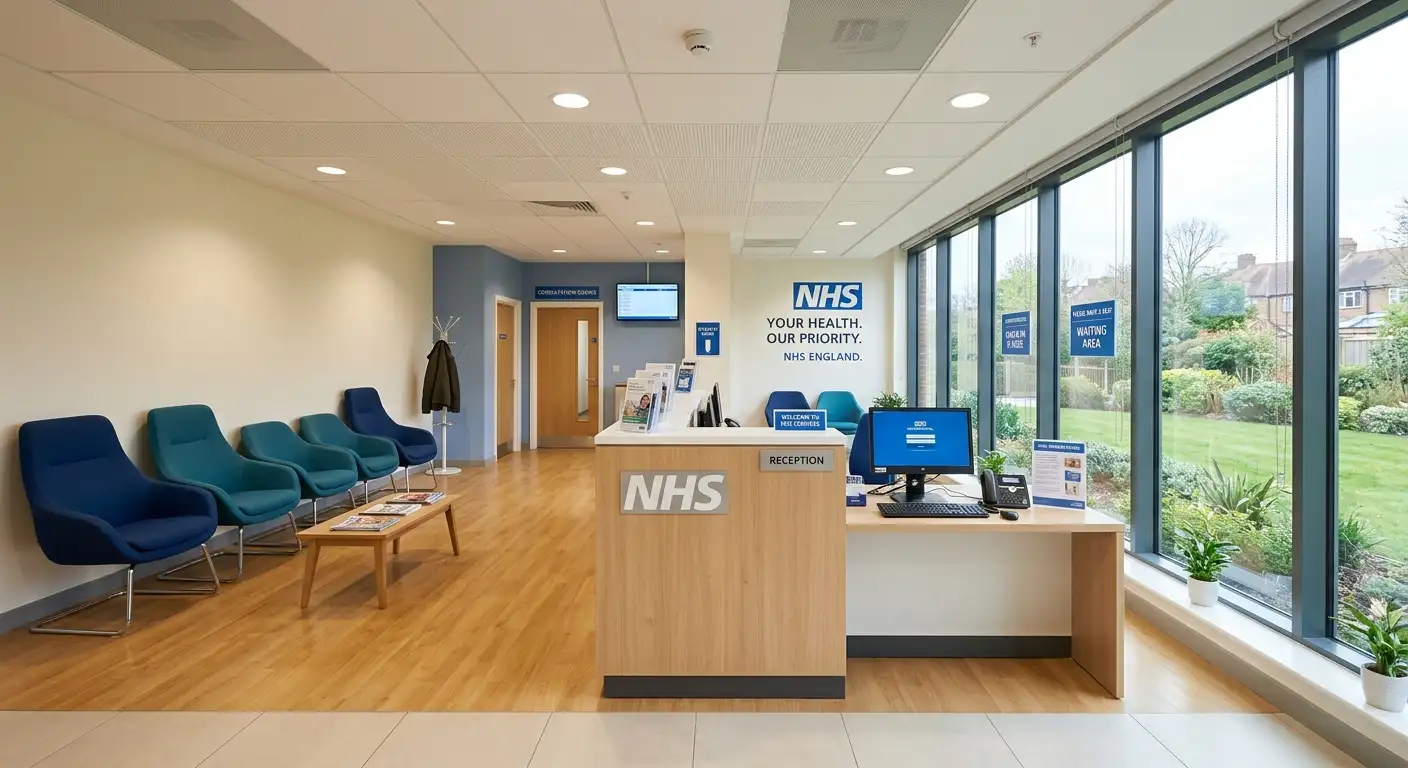
I write about cricket betting as entertainment and as a skill, but I would be failing you if I never wrote about what happens when it stops being either of those things. For a minority of people, gambling becomes a serious harm, and one of the most important developments in British gambling in recent years has nothing to do with odds or markets and everything to do with treatment. The NHS has been building a real, growing network of specialist clinics for gambling harm, and the existence of that network matters whether or not you ever need it, because it changes gambling from something you face alone into something the health service treats like any other condition.
This is the piece I most want people to read and least want anyone to need. I will explain how the clinic network has grown, the rising demand it is meeting, how the treatment is funded, and how to get help if you or someone you know needs it. I am writing it plainly and without drama, because this is a subject that deserves clarity and warmth rather than fear, and because the single most useful thing I can do is make sure you know that help exists and how to reach it.
The Clinic Network
For a long time, specialist help for gambling harm in Britain was scarce, concentrated in a few locations and far out of reach for most people who needed it. That has been changing, and the change is concrete rather than rhetorical.
The network of specialist NHS gambling clinics has expanded substantially, growing from 15 locations to 22. Seven new specialist clinics may not sound dramatic, but in the context of treatment that was once almost impossible to access outside a handful of cities, it represents a meaningful widening of the door. These are dedicated services staffed by people who understand gambling harm specifically, rather than general services trying to fit it in around everything else, and that specialism matters because gambling addiction has its own patterns, its own triggers and its own routes to recovery.
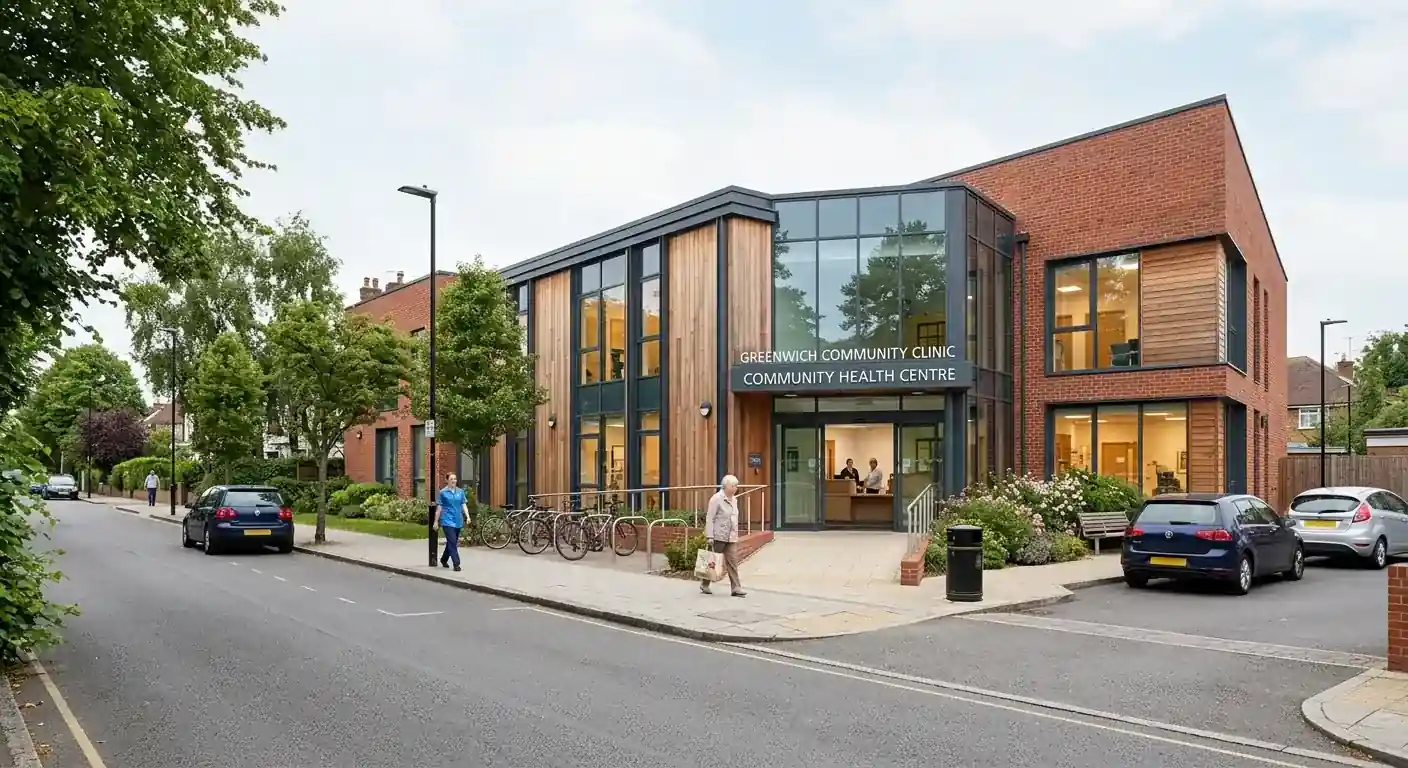
The direction of travel is towards further growth. Funding now in place is earmarked to support the opening of at least five more clinics by the middle of 2027, continuing the expansion of a network that was, until recently, far too small for the need. The significance of this is not just the numbers but the principle behind them: gambling harm is being treated as a health issue deserving of dedicated, properly resourced services within the NHS, rather than as a moral failing left to charities and chance. That shift in how the harm is understood is, to my mind, as important as the clinics themselves.
Rising Referrals
The expansion of treatment is not happening in a vacuum. It is a response to demand that has been climbing steadily, and the referral figures tell a clear and sobering story.
Referrals for treatment of gambling disorder within the NHS rose by 47 percent between 2022 and 2025. Almost a one-and-a-half-fold increase in referrals over three years is a substantial rise, and it reflects two things happening at once. Part of it is genuinely increased need, as the harms of an increasingly accessible, online gambling environment work through the population. But part of it is also a good sign in disguise: more referrals mean more people recognising the problem and seeking help, and more services available to refer them to. A rise in referrals is not purely bad news; it is partly the system working, identifying harm and channelling people towards treatment that previously did not exist for them.
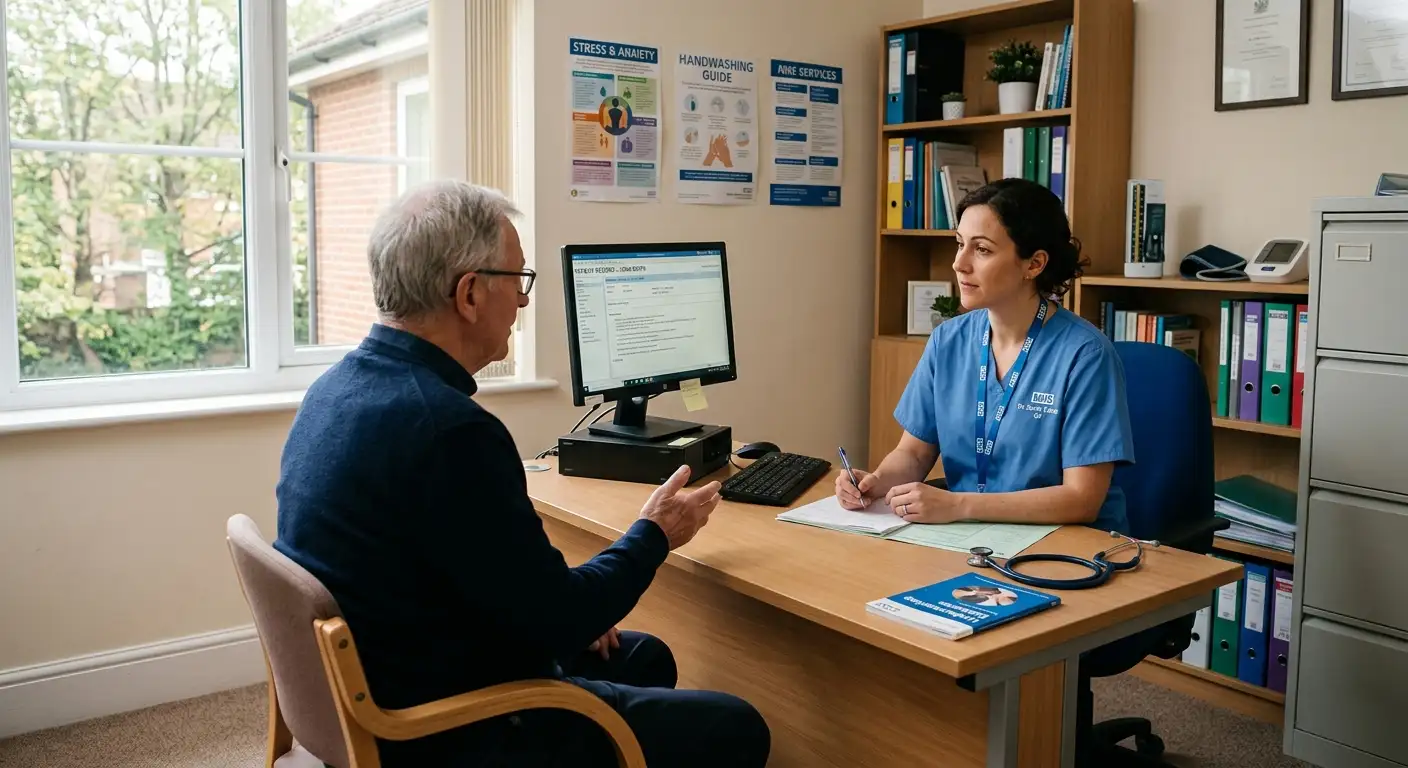
The clinics themselves have felt this pressure directly, with services reporting a 34 percent rise in people coming forward for help in 2025. These are not abstract statistics to the people behind them; each referral is someone who has reached a point of recognising that gambling has become a problem and has taken the difficult step of asking for help. The growth in demand is exactly why the expansion of the clinic network matters so much, and why the stable funding that supports it is so significant. Demand has been rising faster than capacity could keep up under the old funding arrangements, and closing that gap is the whole purpose of the expansion now underway.
How Treatment Is Funded
The expansion of treatment depends on money, and the way that money is now raised is one of the most important structural changes behind the whole story.
The funding flows substantially from the statutory gambling levy, the binding charge on licensed operators introduced in 2025, with half of the levy directed to NHS England and equivalents for the treatment of gambling disorders. This is a deliberate and significant arrangement: the industry that profits from gambling now contributes, by law rather than by choice, to treating the harm that gambling causes, and that contribution is channelled through the health service. The levy raised almost 120 million pounds in its first full year, roughly double the peak of the old voluntary system, and that doubling is precisely what makes the expansion of the clinic network affordable and plannable.
What makes statutory funding so much more useful than the voluntary donations it replaced is its reliability. A clinic cannot be opened, staffed and sustained on funding that might shrink or vanish from one year to the next, which is exactly the uncertainty the old voluntary system produced. Stable, legally guaranteed funding lets the NHS plan years ahead, commit to opening new clinics, and build the kind of lasting capacity that treating a chronic, recurring condition requires. The connection is direct and worth seeing clearly: the binding levy on operators is what funds the clinics, and the clinics are what meet the rising demand for help. That is the architecture of a system taking gambling harm seriously.
How to Get Help
If you have read this far because something here resonates, this is the part that matters most, and I want it to be simple and unfrightening.
Help for gambling harm is available through the NHS, and you do not need to have hit some dramatic rock bottom to deserve it. If gambling is causing you distress, affecting your finances, your relationships or your wellbeing, or simply feeling like something you have lost control over, that is reason enough to seek support. You can speak to your GP, who can refer you into the specialist treatment network, and there are dedicated organisations such as GambleAware that provide information and routes to support. The clinics exist precisely so that people can get specialist help, and reaching out to them is a normal, sensible step rather than an admission of failure.
The practical tools sit alongside the treatment. Every licensed gambling site offers deposit limits, time-outs and self-exclusion, and the national self-exclusion scheme lets you block yourself from licensed sites across the board, a step I walk through in my guide to GAMSTOP and self-exclusion. These are immediate steps you can take today, and they pair well with seeking longer-term support. I would also gently say this, as someone who has spent a career inside this world: the fact that you can recognise a problem and consider acting on it is itself a strength, not a weakness. The whole point of the growing clinic network, the rising willingness to seek help, and the funding now flowing into treatment is that no one should face gambling harm alone or in silence. The support is real, it is expanding, and it is there for anyone who needs it.
If gambling has stopped feeling like entertainment and started feeling like something heavier, please consider talking to your GP or reaching out to a support organisation. Taking that step is always worth it.
How do I access NHS gambling treatment?
You can speak to your GP, who can refer you into the specialist NHS gambling treatment network, and dedicated organisations such as GambleAware provide information and routes to support. You do not need to have reached a crisis point to seek help. If gambling is causing you distress or feels out of your control, that is reason enough to reach out.
How many gambling clinics does the NHS run?
The network of specialist NHS gambling clinics has grown from 15 to 22 locations, with funding in place to support the opening of at least five more by the middle of 2027. This expansion is meeting demand that has risen sharply, with treatment referrals up 47 percent between 2022 and 2025.
Written by the editors at Best Cricket Betting Sites.