Cricket Bet Types Explained: Every Market UK Punters Need to Know
 Available in US
When I placed my first cricket bet, I backed a match winner because it was the only market I understood, and I left every other tab on the screen untouched because they looked like a foreign language. Top batsman, method of dismissal, session runs, brackets — it read like a glossary someone had spilled across the page. Eight years on, I can tell you that the punters who only ever bet the match winner are leaving most of the game on the table, and the ones who chase the exotic markets without understanding them are usually feeding the bookmaker.
This guide walks the full taxonomy of cricket markets from the simplest to the most specialised, in roughly the order I think a punter should learn them. There’s a reason for that ordering beyond tidiness: match-winner markets account for around 40% of all cricket betting volume worldwide, while player-specific and live markets together make up over 35% — so the two ends of the spectrum dominate the action, and the middle is where most of the misunderstanding lives. The global cricket betting market sits at roughly $14.45 billion as of 2024 and is forecast to more than double by the following decade, and almost all of that growth is happening in the markets beyond the simple match result. Learn the lot and you’ll understand not just what to bet but why the prices look the way they do.
Table of Contents
- The Match Winner: Simple to Read, Easy to Misjudge
- Total Runs and Team Totals: Betting the Conditions, Not the Result
- Top Batsman and Top Bowler: Backing the Individual
- Session Betting and Fancy Bets: The Markets Within the Match
- Toss and Novelty Markets: Fun, with a Catch
- Accumulators and Multiples: Stacking the Odds Against Yourself
- Reading the Odds Behind Every Market
The Match Winner: Simple to Read, Easy to Misjudge
The match-winner market looks like the easy one, and that’s exactly why it catches people out. You’re picking who wins. What could be simpler? Then you back a clear favourite at a price that gives you almost nothing, the underdog wins on a turning pitch, and you remember that cricket is the sport that invented the upset.
At its core the match winner is a straight bet on the result of the fixture. In limited-overs cricket — T20 and one-day internationals — it’s usually a two-way market, because a tie is rare and handled by separate rules. In Test cricket it’s a three-way market: home win, away win, or the draw, and forgetting that the draw exists is the single most common beginner’s error in the long format. With this one market making up something close to 40% of all cricket wagering globally, the prices on it are about as efficient as cricket betting gets, which means the bookmaker’s margin is baked in tight and there’s little slack to exploit on the obvious selection.
The skill in the match winner isn’t picking the winner — it’s spotting when the price is wrong. Conditions move this market more than reputation does. A side that’s poor on paper can be a genuine value back on a green seaming pitch that suits its bowlers, and a glamour team can be overpriced in conditions that don’t fit its game. I treat the match winner less as a market to bet on autopilot and more as a benchmark: if I can’t articulate why the price is wrong, I don’t have a bet, I just have a preference.

There’s a related trap worth naming. Because the match winner is the market everyone understands, it’s the one where public money distorts the price most. A popular side carrying a big following will often be shorter than its true chance because the weight of casual money has pushed it in, which means the genuine value frequently sits on the unfashionable side of a high-profile fixture. Some of my steadiest returns over the years have come from backing the unglamorous team that the crowd has written off, precisely because the crowd’s money has lengthened the price I’m getting on the side I actually fancy.
Total Runs and Team Totals: Betting the Conditions, Not the Result
I won more consistently the year I stopped betting on who would win and started betting on how many runs would be scored. There’s a freedom in it — you don’t need to know the result, only the texture of the game, and texture is often easier to read than outcome.
Totals markets ask you a single question: will the runs scored be over or under a line the bookmaker sets? You can bet the match total, a single team’s innings total, or in shorter formats the runs in a specified number of overs. The bookmaker sets the line where it expects the money to split evenly, then takes its margin from the price on either side. Your job is to decide whether the real number sits above or below that line, and that decision is almost entirely about conditions rather than personnel.
This is where reading a cricket match earns its keep. A flat, dry pitch under a hot sun with a fast outfield is a run-fest waiting to happen; a green, seaming surface under cloud cover is a bowler’s paradise where totals collapse. Add the boundary dimensions, the dew that arrives under floodlights in the second innings of a day-nighter, and the simple fact that some grounds are notorious belters, and you have a market that rewards homework over hunch. The format matters too — a Test innings total and a T20 innings total are governed by entirely different logics, which is why the same surface produces very different lines depending on the game. The line the bookmaker sets is its best guess at where the money will split; your edge is in knowing the conditions better than the average punter feeding that line.

I tend to favour team totals over match totals, for a practical reason. A match total folds two innings and the vagaries of a chase into a single number, which adds noise; a single team’s first-innings total is a cleaner read because it’s driven mostly by the surface and the batting line-up in front of you. When I’m confident about conditions but unsure about the result, the totals market is where I express that confidence, because it lets me be right about the game without having to be right about the winner.
Top Batsman and Top Bowler: Backing the Individual
The top-batsman market is where I learned to think about cricket as eleven separate contests rather than one team game. You’re not asking who wins — you’re asking which player in a named side will score the most runs, or take the most wickets, in a given innings or match. It’s the gateway to the player-props world that now drives a huge share of cricket betting.
The mechanics are straightforward. You pick a batter to top-score for their team, or a bowler to take the most wickets, and the bookmaker prices each candidate according to their likelihood. The pricing logic is worth understanding because it explains the value. Openers are usually favourites for top batsman simply because they’re guaranteed to bat and they face the most deliveries — but that built-in advantage is priced in, so the value often sits with a number-three or a flexible middle-order player who can be promoted. For bowlers, the new-ball operators and the front-line spinner on a turning track carry the shortest prices, and the value tends to lurk with the all-rounder who bowls more overs than his reputation suggests.
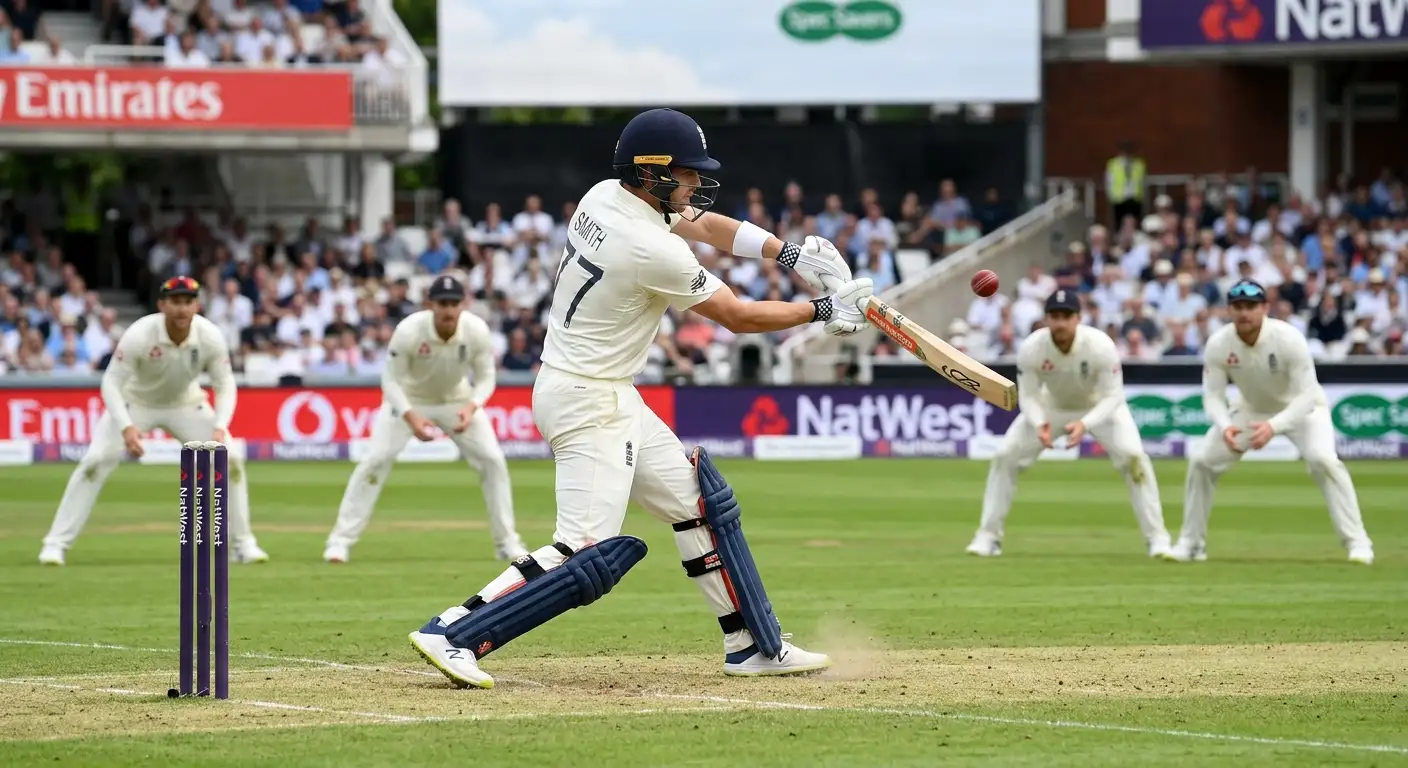
The wrinkle nobody warns you about is dead-heat rules. If two players tie for top score — and in cricket, ties on runs or wickets happen more than you’d think — the bookmaker doesn’t pay your selection in full. It applies dead-heat settlement, dividing your stake across the tied players, which usually means a reduced return even though your pick technically came out on top. I’ve had top-batsman bets settle for less than half what I expected because two batters finished on the same score, so I now read the dead-heat rule before I back any individual market. With player and live markets making up over 35% of global cricket betting, these are not fringe bets anymore, and the settlement detail genuinely matters to your bottom line.
The other detail worth nailing down is exactly what counts. Some top-batsman markets cover only the first innings, others the full match; some void the bet if your player doesn’t bat, others settle them as losers. These aren’t pedantic points — they’re the difference between a winning bet and a frustrating void, and they vary enough between operators that I check them every time rather than assuming the rule I learned at one site carries across to another. The player markets reward exactly this kind of attention, which is part of why they’ve grown into such a large slice of the cricket betting pie.
Session Betting and Fancy Bets: The Markets Within the Match
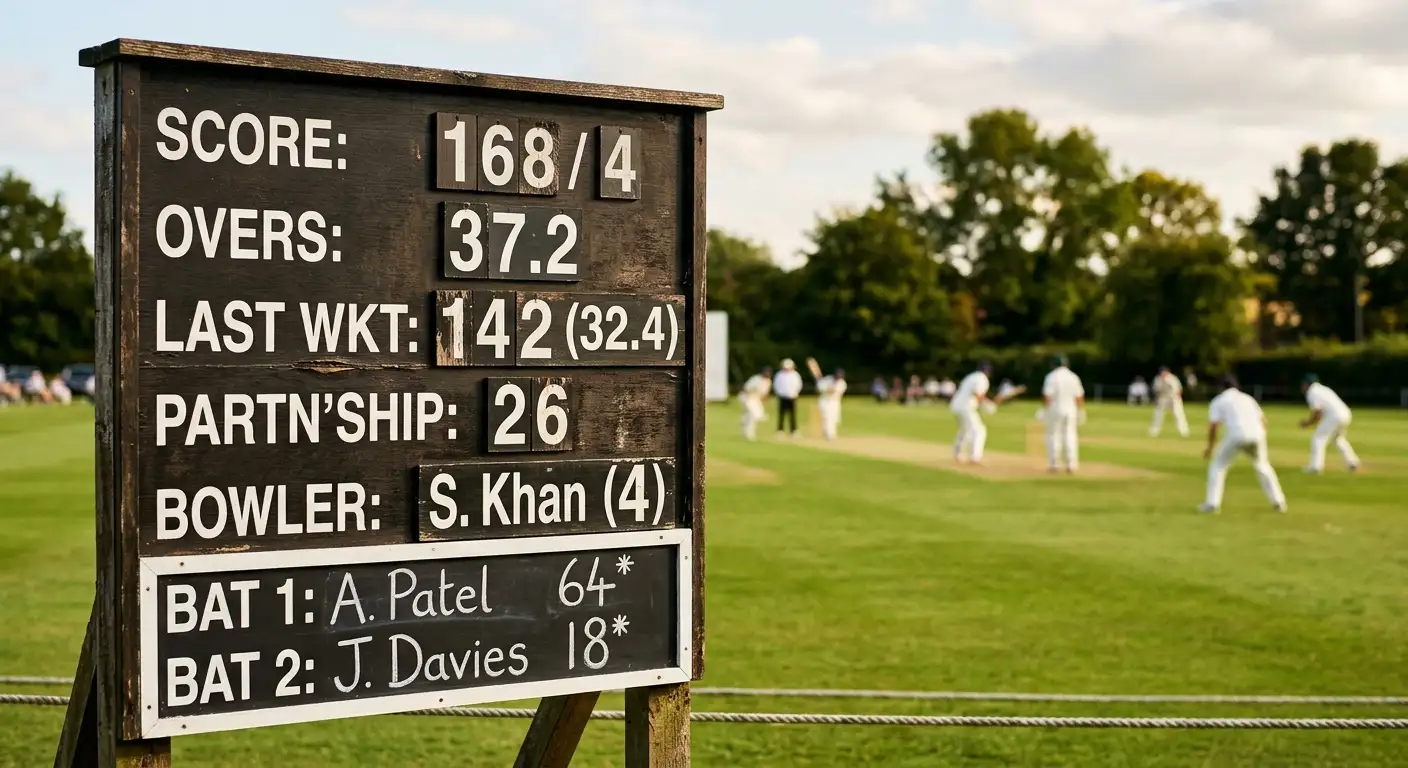
Session betting is where cricket gets granular, and where you need to keep your wits about you for reasons that go beyond pricing. Instead of betting the match or the innings, you’re betting a slice of it — the runs scored in a defined block of overs, a session of play, or some other bracketed segment.
A session bet typically asks whether the runs in a fixed period — say a session of a Test, or the powerplay of a T20 — will land over or under a bracket the bookmaker quotes. Fancy bets extend the same idea to almost any micro-event: runs in the next over, the score at the fall of the next wicket, a player’s individual milestone within a phase of play. They’re popular because they keep you engaged ball by ball, and that engagement is exactly why they account for a meaningful chunk of the over-35% that player-specific and live markets now represent worldwide.
Here’s where I get serious for a moment, because this is the part the cheerful market descriptions skip. Session and fancy markets are the historical hunting ground for cricket corruption. The reason is structural: it’s far easier to manipulate the runs in a single over than the result of a whole match, and that’s exactly why so much illegal activity has clustered around these brackets. As much as $1.7 trillion is wagered annually on illegal markets controlled by organised crime, and the micro-markets are where that money does its quiet damage. None of this makes session betting at a UKGC-licensed site illegitimate — it’s a perfectly legal market in the UK — but it’s why I treat fancy bets with more caution than any other market, stick to regulated operators whose feeds are monitored, and never chase a bracket that looks too generous to be true.
Toss and Novelty Markets: Fun, with a Catch
I’ll confess a soft spot for the toss market, mostly because it’s the one bet in cricket where genuine expertise is almost worthless. A coin doesn’t care about form.
The toss-winner market is exactly what it sounds like: you back a captain to call correctly. It’s close to a true 50/50, which sounds like the fairest bet in the game until you remember that the bookmaker still takes its margin, so two outcomes that are genuinely even-money get priced at something short of it. That gap is the whole story of novelty markets. Toss bets, man-of-the-match specials, method-of-victory markets and assorted in-game curiosities are priced with fatter margins than the headline markets, because the bookmaker knows you’re betting them for entertainment rather than edge.
That doesn’t make them worthless — a small stake on a novelty market is a perfectly reasonable bit of fun, and the toss can genuinely shape a match on a pitch that deteriorates or a ground where dew is a factor. But I bet them with my eyes open. The margin is higher, the value is lower, and anyone telling you they have a long-term edge on the coin toss is selling something. The honest way to treat a novelty market is as the price of entertainment rather than an investment, and to size your stake accordingly.
Accumulators and Multiples: Stacking the Odds Against Yourself
The accumulator is the most seductive bet in cricket and the one that has emptied more bankrolls than any session market ever could. The maths is brutal once you see it laid out, and most punters never do see it laid out.
An accumulator — an acca, in the vernacular — combines several selections into a single bet where every leg must win for the bet to pay. The appeal is obvious: four selections at modest prices multiply into a tempting return, and the ticket costs the same small stake as a single. What the glossy returns hide is that the bookmaker’s margin compounds with every leg you add. A small edge taken on one bet is one bite of the margin; the same margin applied across five legs is five bites, stacked on top of each other. The probability of all five landing is far lower than the price makes it feel, and the long-run expectation gets worse with each selection.
I’m not telling you never to bet an acca. I’m telling you to bet them knowing exactly what you’re paying for the privilege of a big-ticket return — which is a much larger slice of margin than a single bet costs you. Some sites soften the blow with acca insurance, refunding your stake if a single leg lets you down, and that genuinely changes the value calculation. But the underlying truth holds: every leg you add is another helping of the bookmaker’s edge, and the accumulator’s glamour is precisely the bait. Keep them small, keep them occasional, and never treat the advertised return as anything like your real expectation.

The accumulator’s pull is strongest on exactly the punters who can least afford it, and the research on who’s vulnerable is sobering. Dr. Sarah Thompson, an addiction researcher at the University of Bristol, has been clear that younger adults are at greater risk because their brains are still developing, particularly in the areas responsible for impulse control and risk assessment — and the big-return, low-stake accumulator is built to exploit exactly that impulse. I mention it not to lecture but because understanding why a market is designed to feel good is part of betting it sensibly. The acca is engineered to deliver the dopamine of a near-miss; knowing that is your best protection against chasing the next one.
Reading the Odds Behind Every Market
Everything above sits on a foundation most punters never examine: the price itself, and the margin hidden inside it. Understand that and you’ll see every market in this guide differently.
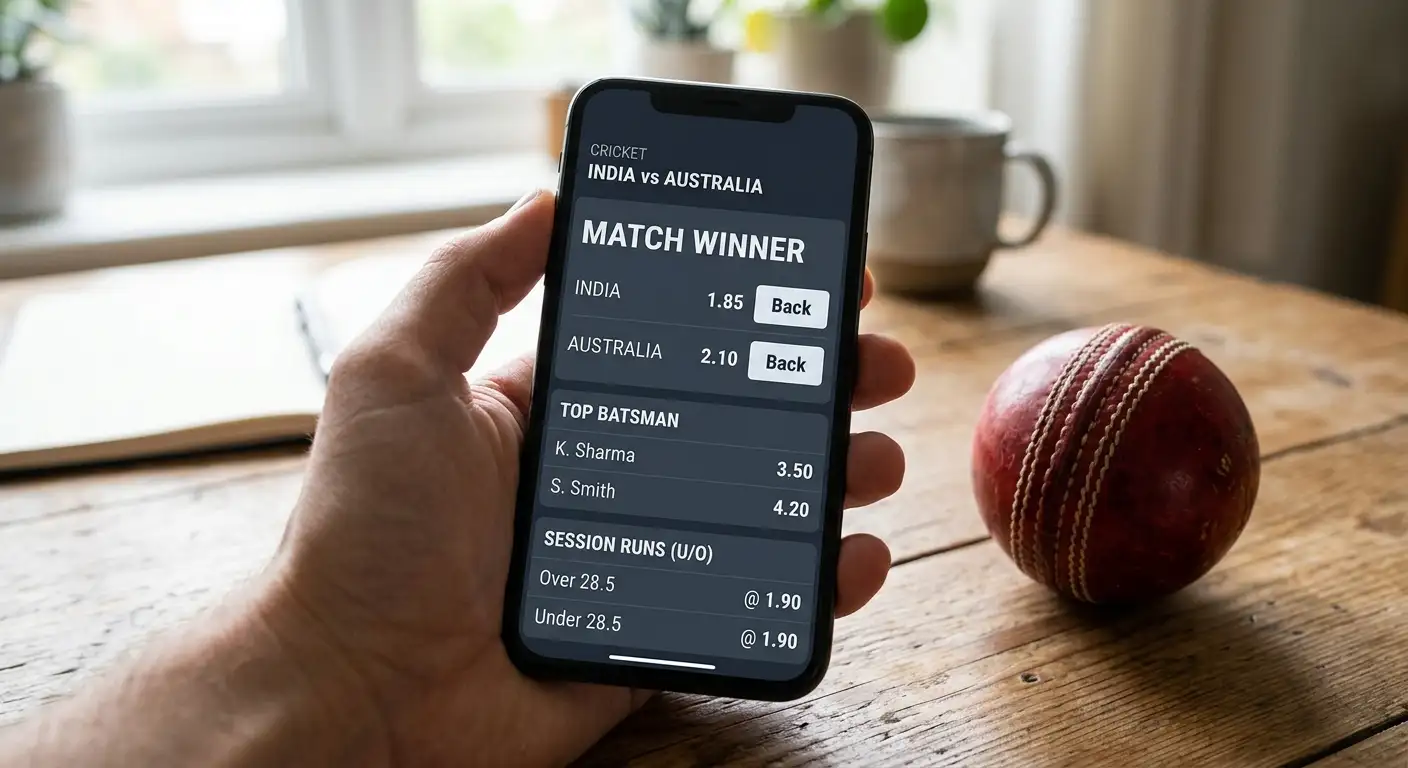
The number sitting next to a selection isn’t a neutral statement of probability — it’s the bookmaker’s probability plus a built-in cut. Add up the implied probabilities of every outcome in a market and you’ll get a figure above 100%. That excess is the overround, and it’s the bookmaker’s margin expressed as a number. On the most efficient cricket markets — international Test and one-day match winners at the sharpest operators — that margin runs to around 4 to 5%, against an industry norm closer to 5 to 8%. On novelty and exotic markets it’s far higher. The difference between a 4% book and a 7% book doesn’t sound like much, but compounded across a season of bets it’s the difference between a leak and a flood.
This is why the same selection can be a smart bet at one site and a poor one at another: the underlying view is identical, but the margin you’re paying isn’t. The global online sports betting market sits at roughly $87.93 billion as of 2025 and is forecast to climb past $200 billion within the decade, and that scale exists because the margin works relentlessly in the operators’ favour across millions of bets. Your only structural defence is to understand where the margin is thinnest and bet there. The selection that looks attractive at a 7% book may be genuinely good value once you find it at a 4% one, and over a season that gap is the whole difference between a hobby that costs you and one that doesn’t. Calculating a bookmaker’s overround properly is a short bit of arithmetic that pays for itself many times over, and it’s the single most useful skill a serious cricket punter can build. Every market in this guide becomes clearer once you can see the margin baked into its price.
A session bet is on the runs scored in a defined block of play, such as a Test session or a T20 powerplay, landing over or under a bracket the bookmaker sets. A fancy bet extends that idea to almost any micro-event within the match, like runs in the next over or the score at the next wicket. Both are bets on a slice of the game rather than its result, and both carry more integrity risk than headline markets, so I treat them with extra caution and only bet them at regulated UK sites. You bet on how a batter will be dismissed — caught, bowled, lbw, run out and so on — with each method priced according to how often it occurs. Caught is usually the favourite because it is by far the most common dismissal, so the value tends to sit with the rarer methods if conditions favour them. It is a specialised player-prop market that rewards reading the pitch and the bowling attack rather than guessing, and settlement can hinge on technical scoring details worth checking first. The bookmaker’s margin compounds with every leg you add, so an accumulator’s advertised return is far better for the operator than the price makes it feel. They are not worthless as occasional small-stake fun, especially where acca insurance refunds a single losing leg, but they should never be treated as a serious value strategy. If you bet them, keep the stakes small and understand that each additional selection is another slice of margin working against your long-run expectation.What is the difference between a session bet and a fancy bet?
How does a method-of-dismissal market work?
Are accumulators worth it for cricket betting?
Prepared by the Best Cricket Betting Sites editorial staff.